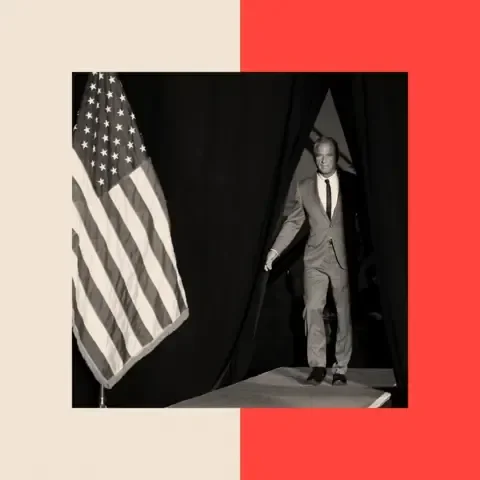
Robert F. Kennedy Jr., currently serving as the United States Secretary of Health and Human Services, stated on May 15, 2026, that his professional realignment has resulted in the loss of roughly 90% of his personal friendships. In a discussion on "The Alex Marlow Show," Kennedy noted that the severance of these ties was explicitly linked to his "political choices," with former associates citing these actions as the definitive reason for ending their connection.
| Status | Data Point |
|---|---|
| Primary Claim | 90% of friendships terminated |
| Cited Cause | Political realignment/choices |
| Role | HHS Secretary |
| Observation Window | Post-2024 political transition |
The core tension lies in the friction between individual conviction and social cohesion within the American political class.
A Record of Administrative Conflict
Since his confirmation in January 2025, Kennedy’s tenure has been marked by a departure from established institutional norms. His leadership at the Department of Health and Human Services (HHS) has generated continuous friction, most notably observed during a contentious Senate committee hearing on September 4, 2025.
Read More: US 250th Anniversary on July 7, 2026, sees 20% not celebrating
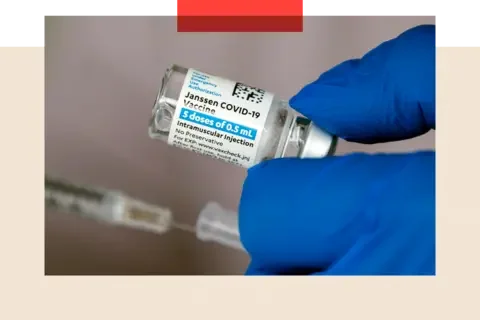
Kennedy engaged in a public dispute regarding the removal of the CDC director, contradicting official accounts of the resignation.
Senator Bill Cassidy (R-Louisiana)—a key figure in Kennedy’s confirmation—challenged him regarding his previous work with the Children’s Health Defense, an organization centered on vaccine skepticism.
These exchanges mirror his broader, long-term advocacy against what he describes as a "toxic soup" of additives and substances impacting the health of the American populace.
Institutional Shift vs. Social Cost
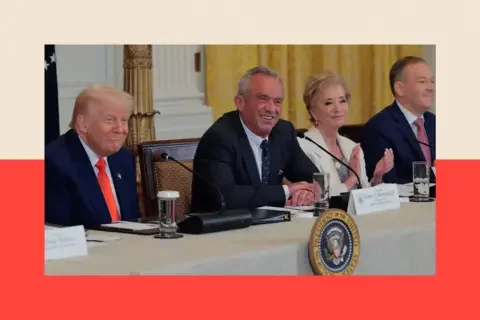
The professional trajectory of Kennedy represents a departure from his previous status as an environmental lawyer, pivoting toward a radical re-evaluation of federal health policy. This transition has moved him into a central role within the Trump administration, fundamentally altering his standing in professional and personal circles that formerly shared his orbit.
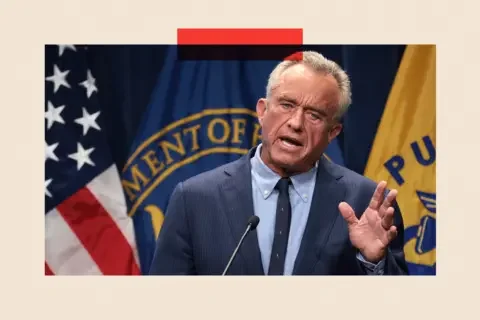
The "personal cost" of these public positions underscores the intensifying reality of ideological fracturing. While his supporters frame this as a necessary break from an entrenched establishment, the raw metric of lost relationships serves as an indicator of the depth of the current cultural rift. Kennedy’s statements confirm that for those occupying high-profile positions, the Political Realignment currently occurring within the U.S. government demands a price beyond simple policy outcomes—one paid in the currency of private association.
Read More: Trump says Vance-Rubio ticket would be "unbeatable" for 2028
Contextual Note: The above synthesis integrates data points regarding Health Policy shifts and personal testimony as of May 18, 2026.