Former President Donald Trump has sharply criticized the Democratic Party, characterizing its perceived move towards "hard-left socialism" as a dangerous path leading to societal breakdown. His warnings, amplified in recent days, connect this ideological shift to a potential erosion of fundamental freedoms, particularly the right to bear arms, and forecast a future of "squalor, crime, and death." This rhetoric comes amidst notable primary election results, particularly in New York, where candidates endorsed by figures like Mamdani have ousted established Democratic incumbents, signaling a shift within the party.
Trump's pronouncements frame these electoral developments not merely as policy disagreements, but as a fundamental threat to the nation's founding principles. He argues that promises of extensive social welfare programs, which he equates with "give away everything," inevitably necessitate increased government control and bureaucracy. This, in turn, leads to restrictions on individual liberties, with a specific focus on the Second Amendment.
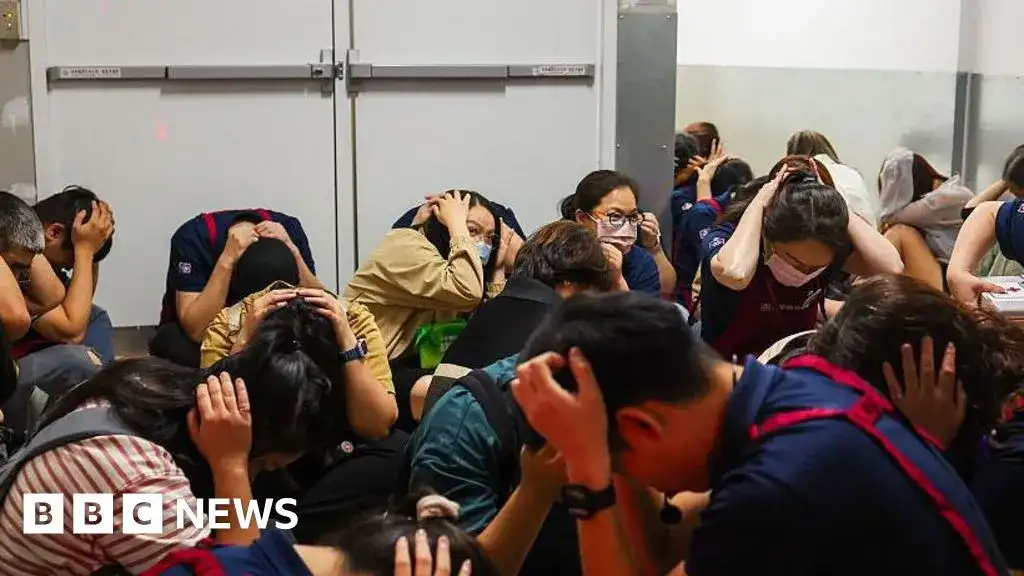
Read More: Taiwan Holds Nantou County Drills to Prepare for State Collapse
"Every new social-welfare mandate requires new revenue, new bureaucracy, and new justification for restricting the tools citizens might use to resist overreach—whether through magazine bans, red-flag laws, or the quiet expansion of the NFA to cover pistol braces and forced-reset triggers."
The former president asserts that a government promising "cradle-to-grave security" will ultimately demand "cradle-to-grave control." He contends that the initial freedoms to be curtailed are those enabling citizens to resist what he views as governmental overreach, identifying the right to armed self-defense as paramount. Trump suggests that a nation that normalizes wealth redistribution through entitlements may eventually seek to confiscate the means by which citizens could oppose such policies.

Electoral Undercurrents and Ideological Labels
The recent Democratic primaries in New York appear to have provided a concrete backdrop for Trump's broader pronouncements. Several races saw victories for candidates supported by socialist advocates, defeating long-standing officeholders. For instance, candidates Brad Lander, Claire Valdez, and Darializa Avila Chevalier, all endorsed by Mamdani, reportedly won their respective Democratic primaries. This trend is being interpreted by some as evidence of a growing influence of socialist ideas within the Democratic Party.
Read More: US 250th Anniversary on July 7, 2026, sees 20% not celebrating
Simultaneously, New York City's policy landscape has seen developments such as rent freezes, a measure enacted by a board that banned landlords from increasing rent on new one-year or two-year leases. Such initiatives are being framed by Trump's camp as examples of "socialist-style freebies."
Framing the Debate
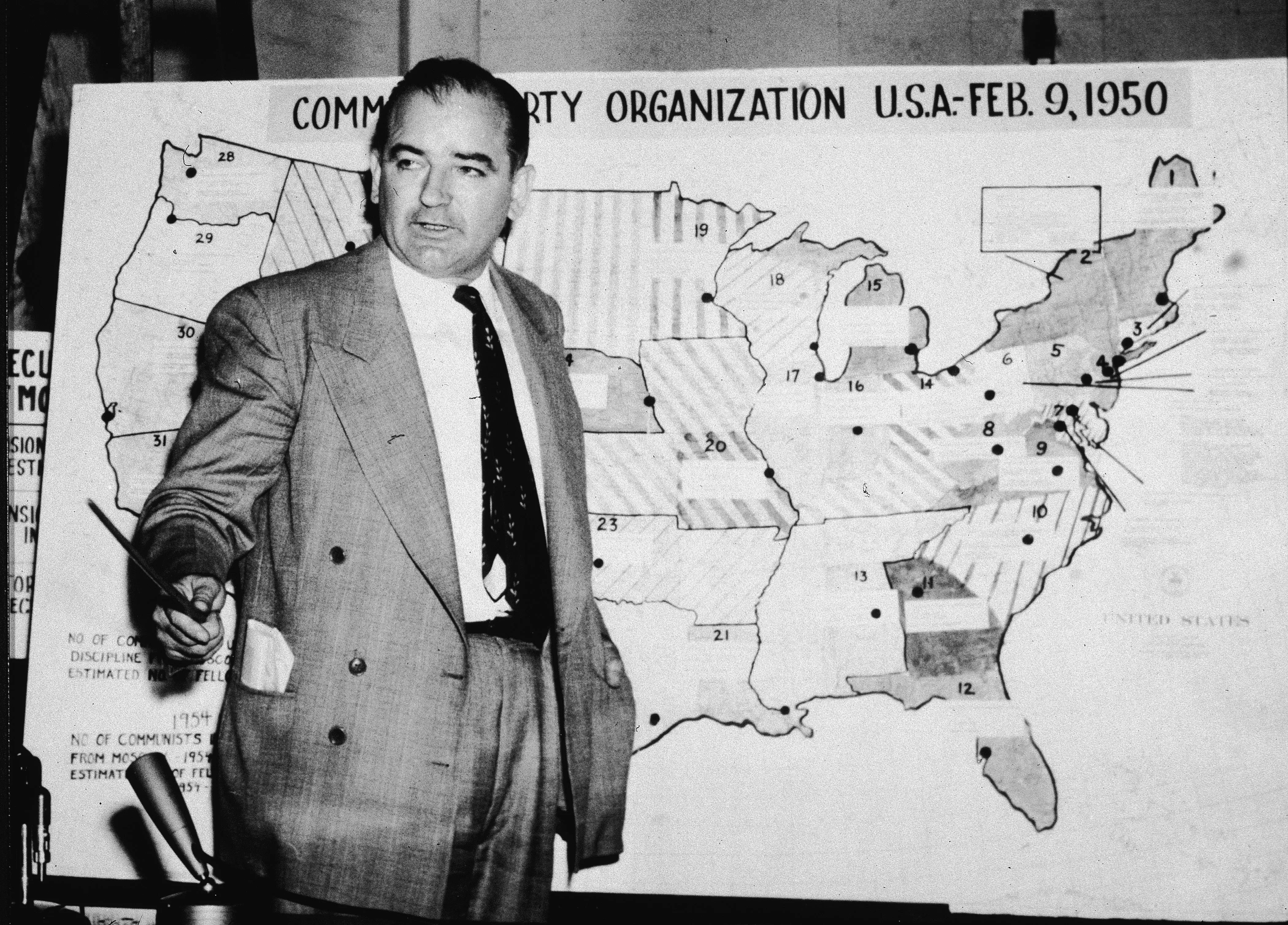
Trump has repeatedly used strong, often provocative, language to describe this perceived ideological shift, referring to opponents as "godless communists" and warning that their policies could transform cities into "slums." While these characterizations draw a stark contrast between American founding principles and the growing influence of socialist movements, critics argue that Trump's use of terms like "communist" is an inaccurate and inflammatory misrepresentation of the policies advocated by democratic socialists, who typically aim to bolster the existing social safety net within a capitalist framework.
This heightened rhetoric is occurring in the lead-up to significant elections, suggesting an attempt to galvanize voters by framing the Democratic Party's platform as an existential threat to traditional American values and freedoms.
Read More: FBI Analysts Review Georgia 2020 Election Data in Fulton County