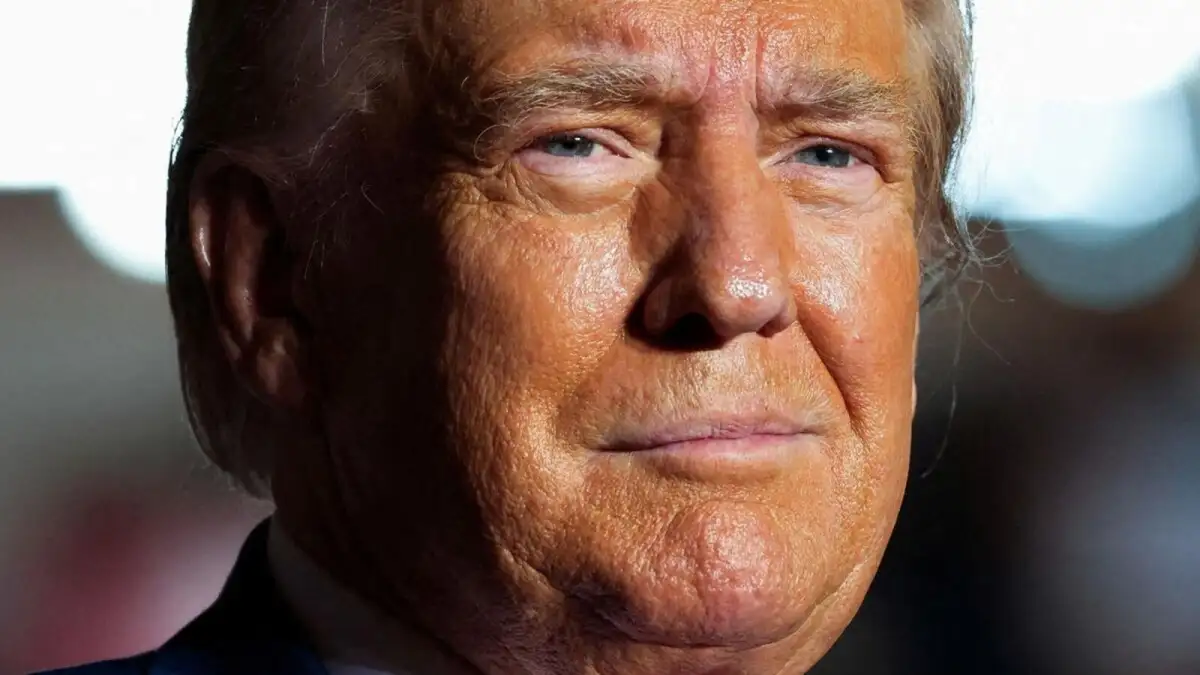
Donald Trump is reportedly pivoting to utilize provisions within the Foreign Agents Registration Act (FARA) to target political adversaries. This strategic shift sees the former president leveraging a law historically aimed at foreign actors to scrutinize domestic organizations and individuals. The maneuver suggests a complex legal and political entanglement, repurposing a regulatory framework into a tool for partisan engagement.
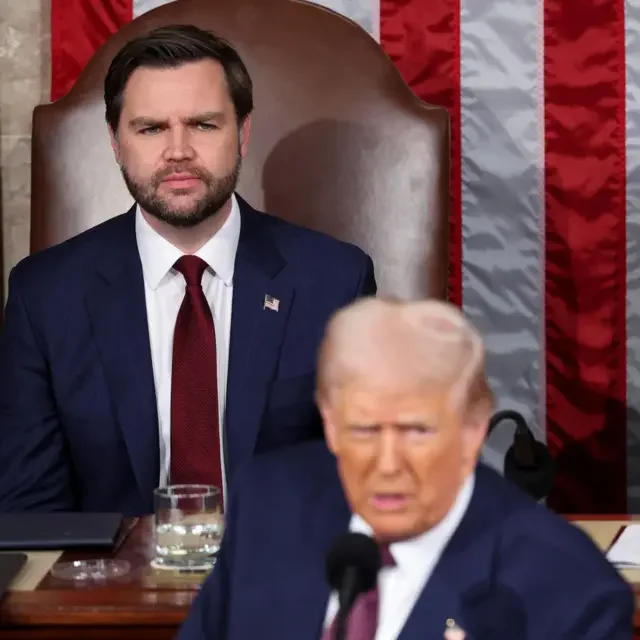
The Foreign Agents Registration Act mandates disclosure for individuals or entities acting as agents of foreign principals while engaged in political activities or disseminating information in the U.S. Trump's purported adaptation of this law implies an effort to frame certain domestic opposition groups as operating under foreign influence, thereby subjecting them to scrutiny and potential legal challenges.
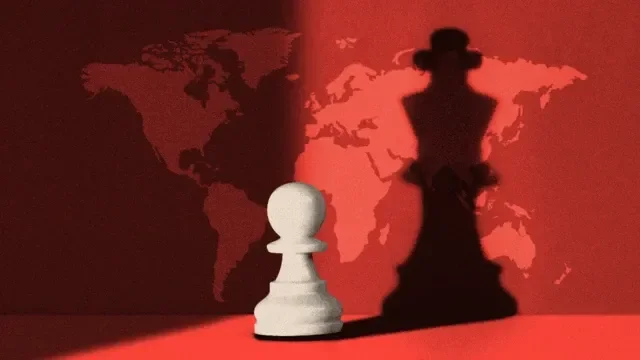
Shifting Legal Terrain
This development arrives amidst ongoing political contests and legal battles surrounding Trump. Details regarding the specific entities or individuals targeted by this strategy remain partially obscured. However, the underlying tactic involves applying FARA's disclosure requirements in novel ways.
Read More: US 250th Anniversary on July 7, 2026, sees 20% not celebrating
Background:Donald Trump, born June 14, 1946, is a figure with a long history in American politics and business. He served as the 45th President of the United States from January 20, 2017, to January 20, 2021. His political career has been marked by significant policy shifts and contentious public discourse.
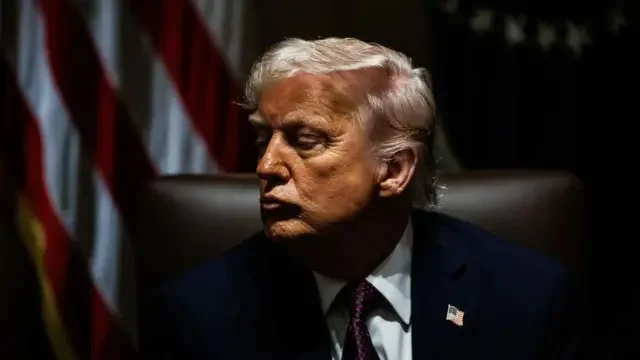
In a separate incident on July 13, 2024, an assassination attempt was made against Donald Trump. New video evidence later emerged, suggesting confusion among law enforcement agencies regarding the sighting of the shooter, Thomas Matthew Crooks, prior to the attack. This event highlighted ongoing security concerns.
Furthermore, Trump's presidency was characterized by a disruption of established global norms, with implications for international relations and the stability of alliances. Reports suggest his policies contributed to a "fragmentation of the West," leaving various regions facing altered geopolitical landscapes.
Read More: Supreme Court May Order Ayodhya Temple Fund Audit Due to Theft Claims