As of today, July 7, 2026, the United States finds its 250th anniversary defined by public estrangement and the centralization of partisan activity. Recent polling data indicates that one in five citizens intends to abstain from Independence Day observances, while 40% of the population harbors doubts regarding the state's institutional longevity over the next two and a half centuries.
The 250th milestone functions as a mirror for existing domestic volatility rather than a unifying civic marker.
The structural framing of this anniversary is centered on the following developments:
Political Integration: The "Freedom 250" events, headlined by the Great American State Fair on the National Mall, have transitioned into platforms for campaign-style oratory.
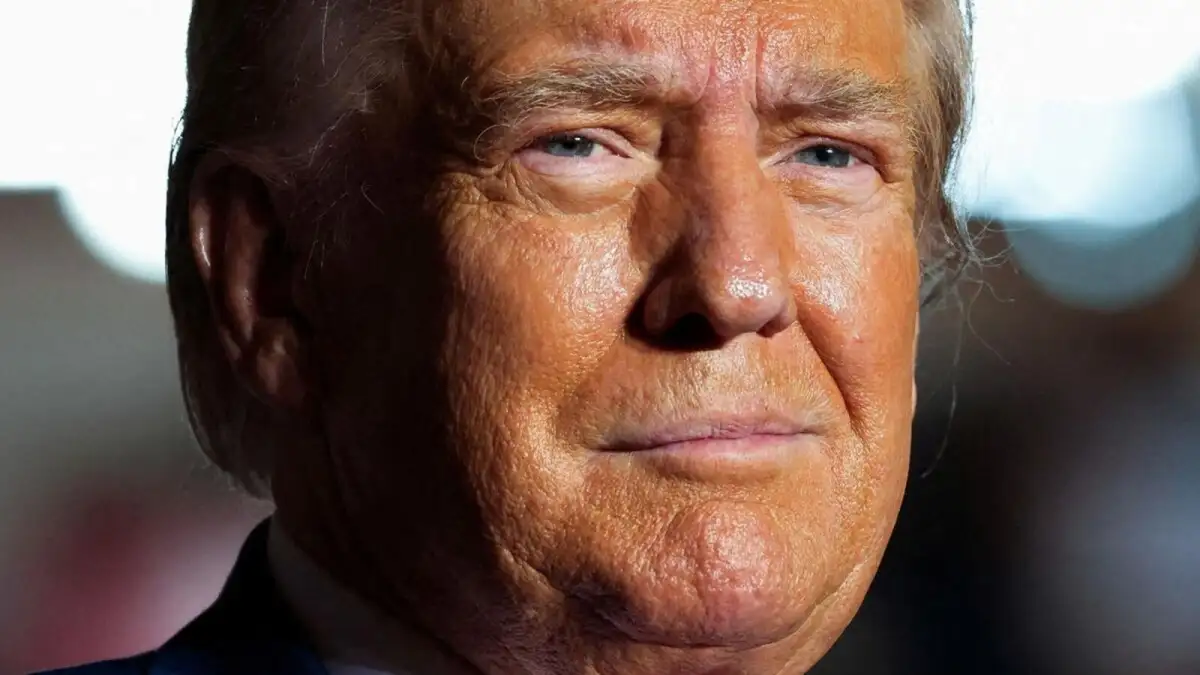
Executive Focus: Donald Trump has placed his political identity at the core of the state-sponsored commemorative calendar, conducting rallies that critics argue convert public historical observance into electoral strategy.
Public Sentiment: A significant segment of the electorate perceives the festivities through a lens of skepticism, reflecting a broader collapse in shared national narrative.
Data Overview: The State of the Union
| Metric | Public Response / Observation |
|---|---|
| Abstention Rate | 20% of citizens rejecting the celebration |
| Institutional Outlook | 40% doubt 250-year survival probability |
| Primary Event | Two-week exposition on the National Mall |
Historical Context and Political Polarization
The Semiquincentennial was intended to be a non-partisan assessment of American governance and history. However, the integration of contemporary Partisanship has complicated the institutional intent. By staging official functions that mirror rally dynamics, the executive branch has invited critique regarding the use of taxpayer-funded spaces for personal political amplification.
Read More: Trump says Vance-Rubio ticket would be "unbeatable" for 2028
The division is not merely localized to the current administration; it highlights a historical trajectory where national identity has become tethered to immediate Political Agency. The result is an anniversary that emphasizes the distance between the governed and the institutional structure, rendering the "Great American State Fair" an emblem of the current state of social fragmentation rather than an instrument of cohesion.