Prime Minister Anthony Albanese is currently in Singapore, aiming to secure Australia's fuel supply amidst escalating global tensions and disruptions to international markets. The trip, described as a "dash" and "vital diplomatic visit," underscores the government's focus on averting potential shortages. Albanese is set to meet with Singaporean Prime Minister Lawrence Wong, a move designed to leverage Australia's substantial liquefied natural gas (LNG) exports to the city-state in exchange for guaranteed fuel imports. This diplomatic push comes as petrol prices in Australia have ceased their decline, and diesel costs are reportedly rising again, despite a recent cut to the fuel excise.
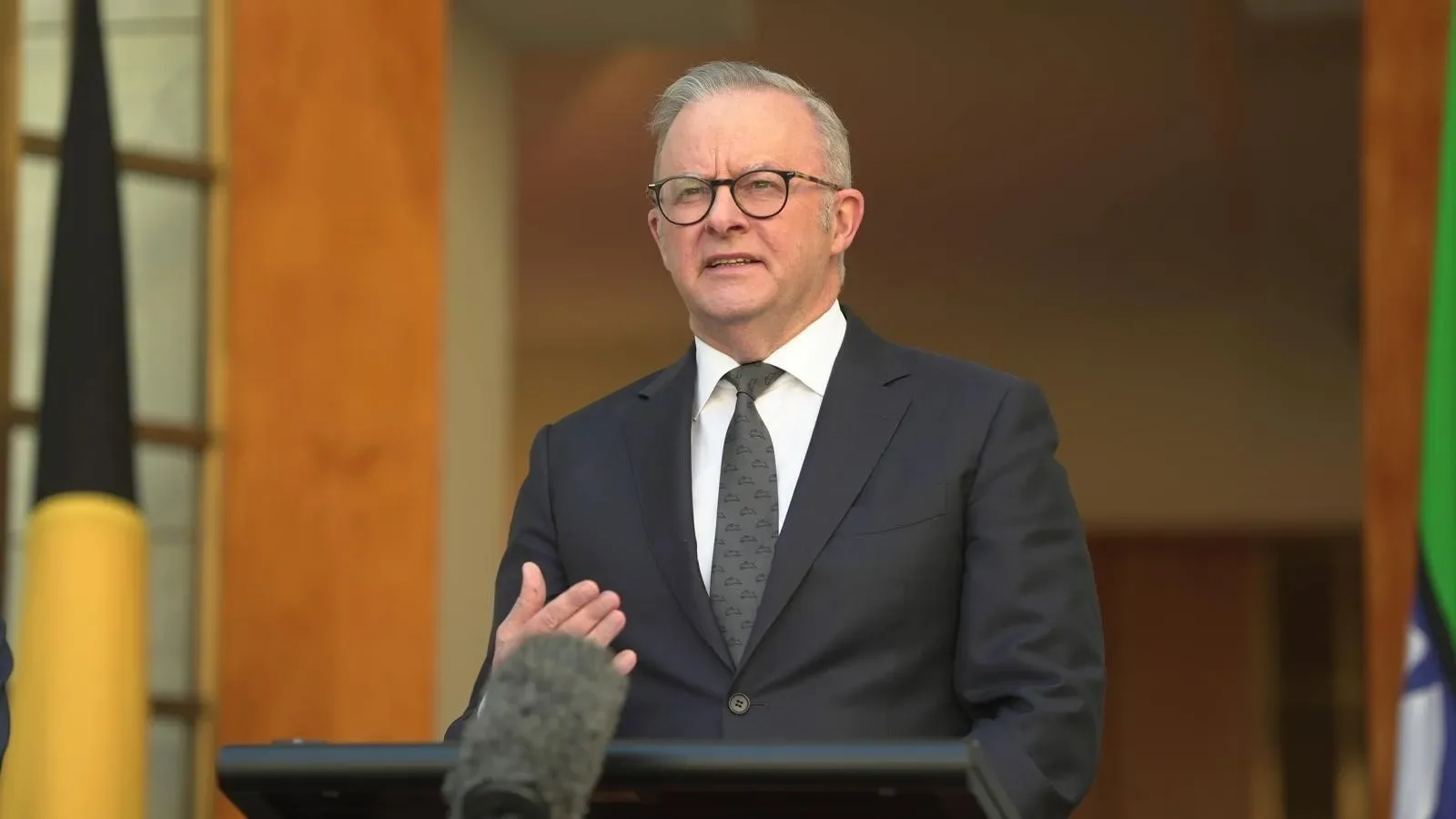
The urgency of the situation is highlighted by concerns that Asian nations, facing their own dwindling reserves and seeking alternative supply routes due to the Iran war and the closure of the Strait of Hormuz, might begin prioritizing their domestic needs over exports to Australia. Reports indicate that several fuel tankers from key suppliers like Malaysia, Singapore, and South Korea have already faced cancellations or delays, sparking fears of an imminent supply crunch. Opposition figures, like Angus Taylor, are demanding greater transparency regarding local fuel outages.
Read More: Taiwan Holds Nantou County Drills to Prepare for State Collapse
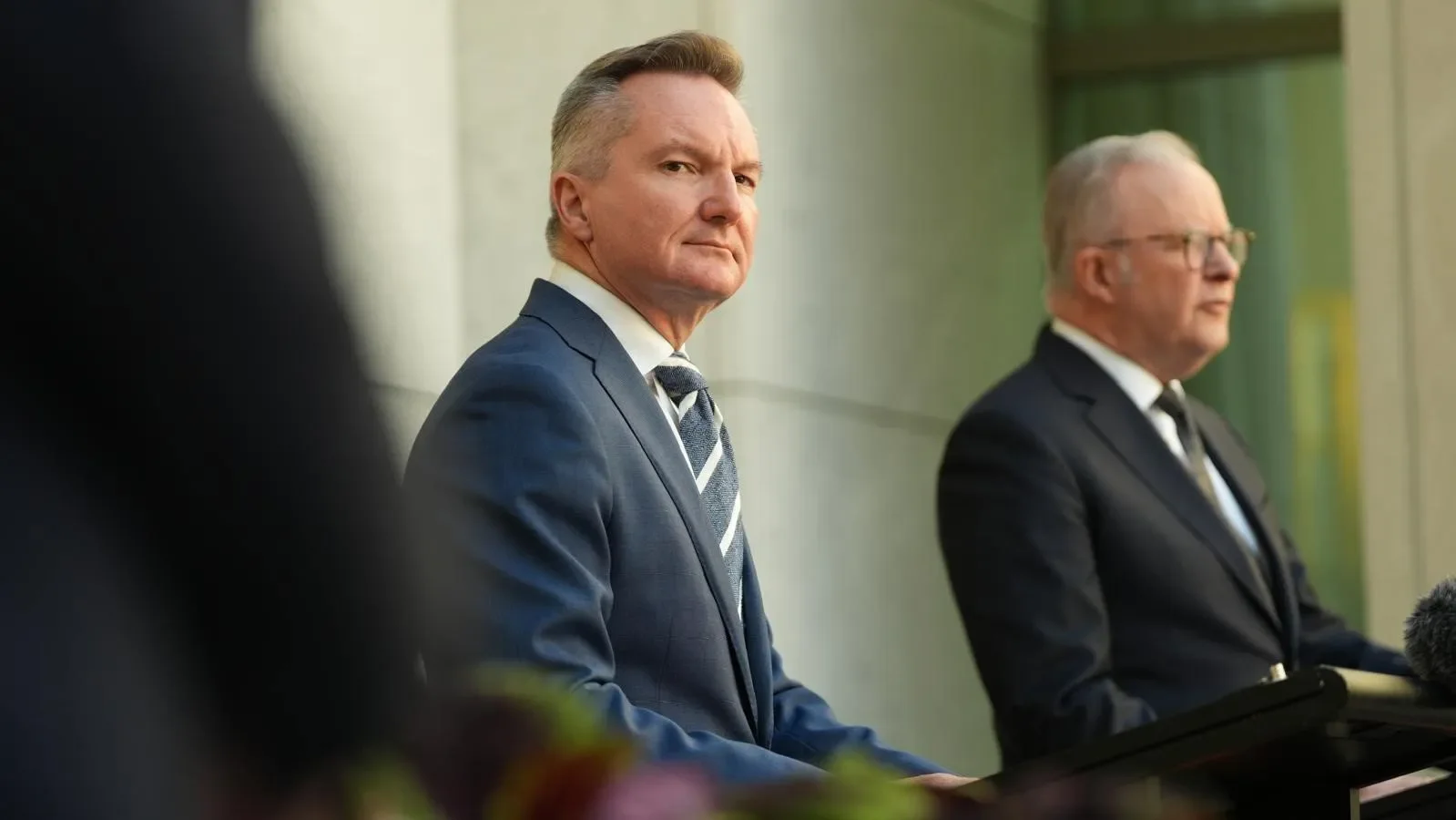
Albanese's visit aims to secure "binding agreements" on fuel supply, although he has downplayed the immediate prospect of such a deal before his meeting. Singapore is Australia's largest source of petrol, and the ongoing conflict in the Middle East, particularly involving Iran's proxies in Lebanon, has sent ripples through global energy markets. The government is also exploring diplomatic channels with other nations, including China, Egypt, and Turkey, as part of a broader strategy to manage the energy crisis.
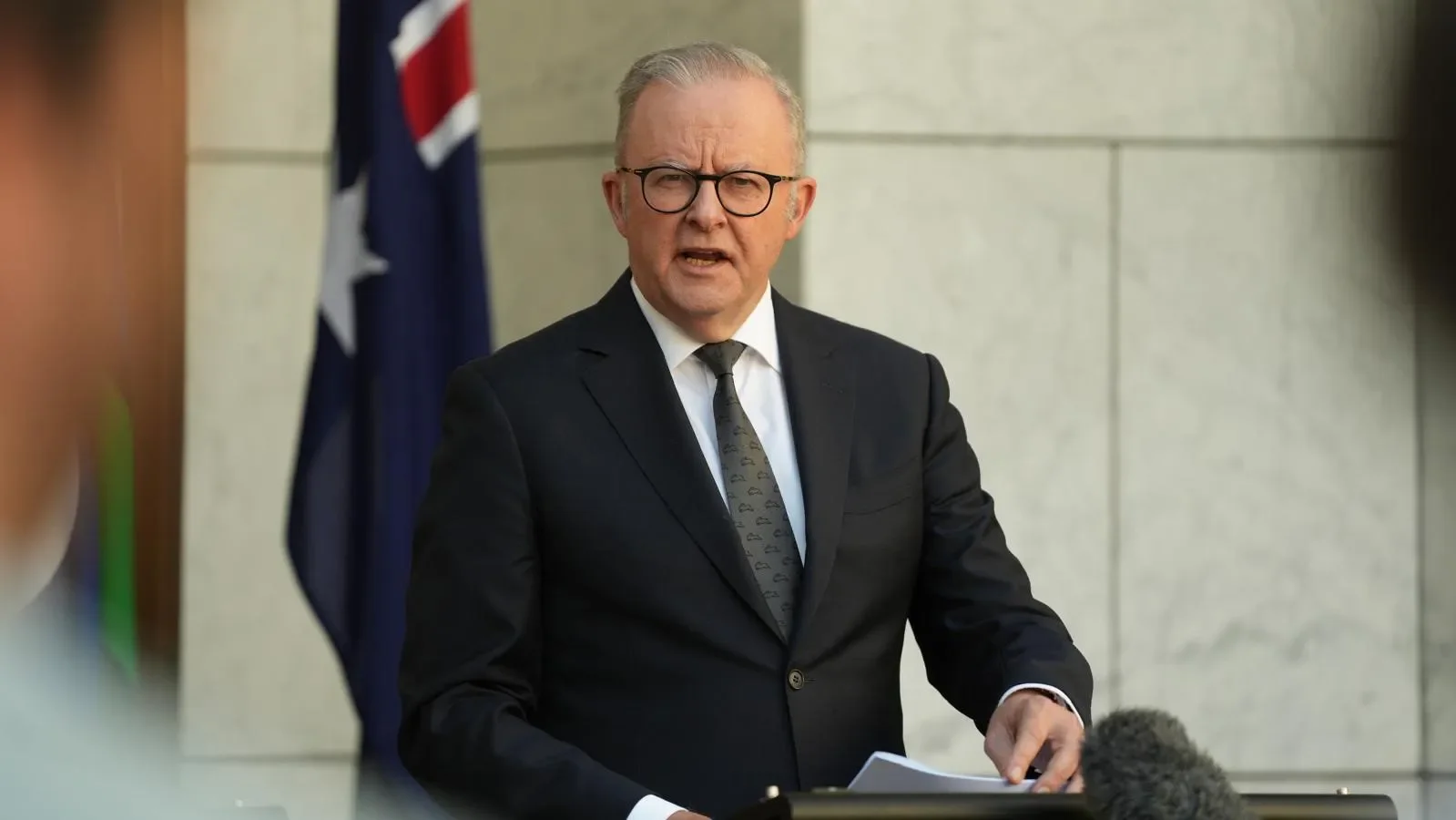
In parallel, the Australian government is reportedly utilizing new powers to underwrite fuel shipments and has been requesting distribution data from petrol companies to better manage potential crises. The Prime Minister himself has addressed the public, urging a consideration of fuel usage. Recent reports noted 34 service stations in Queensland experiencing shortages of diesel and 30 without petrol, though officials claim the number of affected stations is falling. The effectiveness of these diplomatic overtures and domestic management strategies remains to be seen as the global energy landscape continues to be unpredictable.
Read More: AFP Reviews War Crime Claims Against Australian in Gaza