

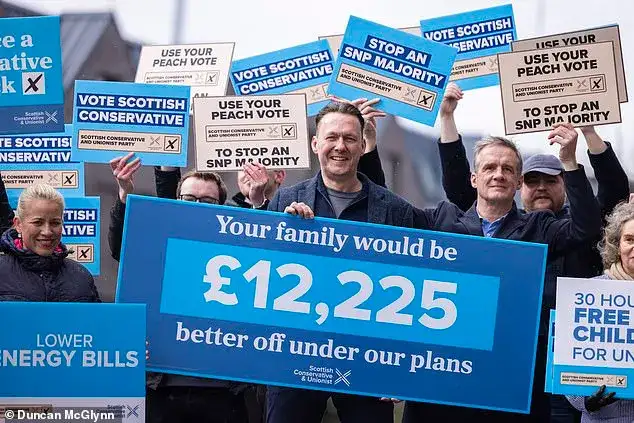
The Scottish Conservative Party has unveiled a fiscal package targeting a total annual saving of £12,000 per household, framed by leader Russell Findlay as a direct response to the cost-of-living climate. The proposal rests on three primary mechanisms intended to be financed through budget reallocation and shifting existing government spending priorities.
Core financial adjustments include 30 hours of funded childcare for children under three (valued at £9,379), an income tax threshold restructuring (£2,346), and a combination of energy bill discounts and council tax rebates.
Proposed Fiscal Shifts
The methodology relies on altering how the Scottish Government handles internal budget underspends and specific funds, such as the ScotWind revenue currently utilized by the SNP for alternative state projects.
| Proposed Measure | Estimated Annual Benefit | Source of Funding |
|---|---|---|
| Childcare (under 3s) | £9,379 | Policy Restructuring |
| Income Tax Adjustment | £2,346 | Tax Bracket Alignment |
| Energy/Council Tax | £300 (Combined) | Budget Underspend/ScotWind |
The Income Tax plan seeks to establish a 19% tax band beneath the higher rate, explicitly aiming to minimize the tax discrepancy between Scotland and the rest of the UK.
The Council Tax rebate is proposed as an annual payment derived from the redistribution of government budget surpluses, which are traditionally carried forward to subsequent fiscal years.
Strategic Context and Welfare Policy
The proposal arrives amid a broader, contentious debate regarding the architecture of the Scottish welfare state. While this manifesto pledge focuses on household liquidity, the party has simultaneously signaled a intent to modify the existing Scottish Child Payment (SCP).
Read More: Taiwan Holds Nantou County Drills to Prepare for State Collapse
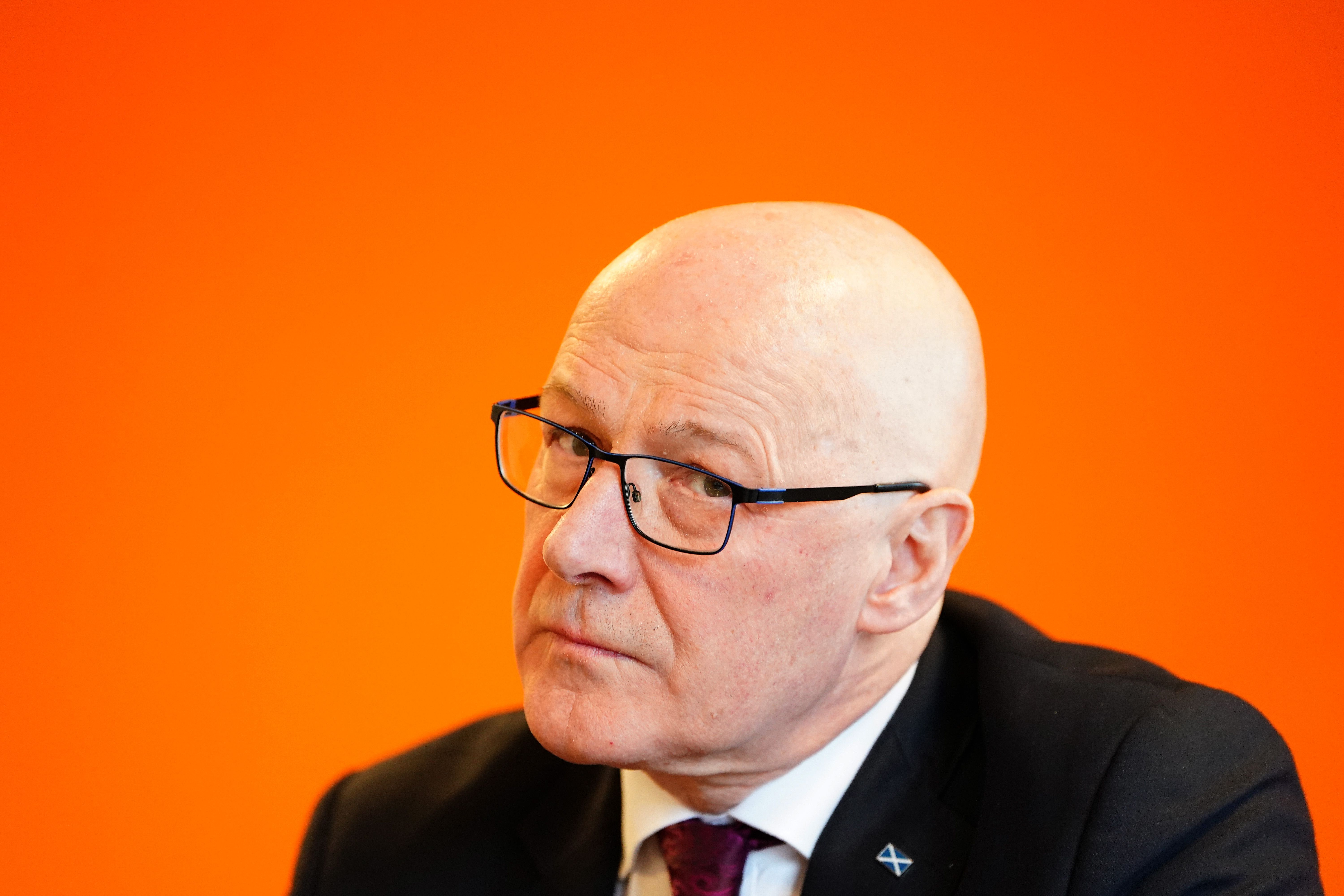
"This would force the Scottish Government to spend their money wisely and, actually, it should incentivise any Government to ensure that when there’s money left over, that it goes back to hard-working taxpayers." — Russell Findlay, Scottish Conservative Leader.
Background and Divergent Welfare Models
The discourse surrounding these promises is inseparable from the current administration’s reliance on the Scottish Child Payment, which currently maintains a 94% take-up rate.
Benefit Cap Proposal: In parallel with the proposed £12k "boost," the Scottish Conservatives have campaigned for a two-child cap on the SCP, mirroring UK-wide policies. This position contrasts sharply with the current Scottish Government’s stated objective of eradicating child poverty through an uncapped, expanded benefit system.
System Sustainability: The debate reflects a deepening rift regarding the definition of fiscal sustainability. The Conservatives argue that the current welfare trajectory—including the planned 2027-28 premium payment increase—is bloated and incentivizes the rejection of pay raises. Conversely, advocates of the current model characterize these payments as foundational for family stability.
These developments highlight an emerging ' Cost of Living ' election cycle, where the mechanism of ' Devolved Powers ' is being tested against two fundamentally different visions of public expenditure: direct, broad-spectrum household rebates versus targeted poverty-alleviation transfers.






