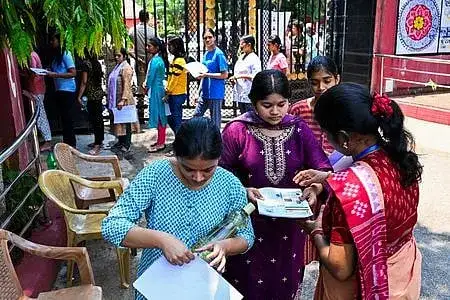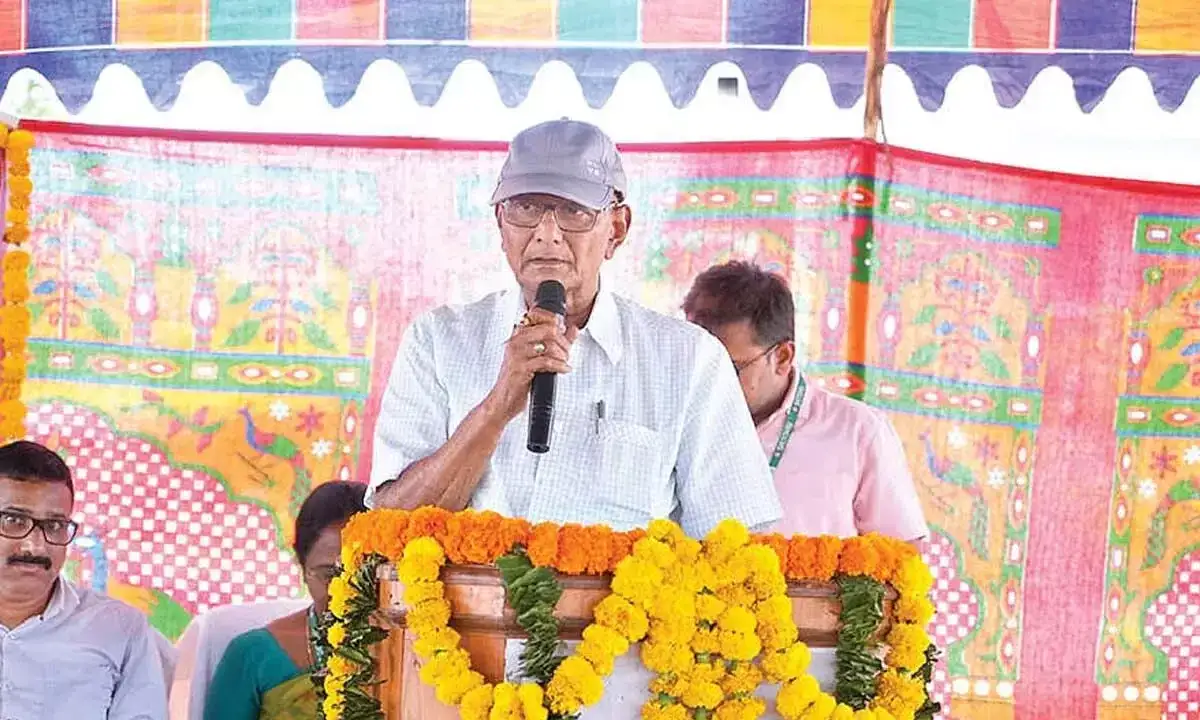
A recent 'grape festival' at the Grape Research Station in Rajendranagar, orchestrated by the Sri Konda Laxman Telangana Horticulture University, aims to rekindle grape cultivation in the region. The event, which saw the display of 59 grape varieties, serves as a platform to promote cultivation, consumption, and climate-resilient farming practices tailored for local markets.
The festival signals a deliberate effort to revive a sector that has seen a staggering decline, shrinking from an estimated 15,000 acres to a mere 400 acres. This initiative comes as university officials, including Vice Chancellor Dr. D. Rajireddy and Head of the Grape Research Station Dr. Anitha Kumari, emphasize the region's inherent suitability for grape farming and its potential for economic gains.
PUSH FOR REVIVAL AMIDST DECLINE
The university intends to make these festivals an annual affair, seeking to broaden awareness of grape cultivation's potential. This push for revival occurs against a backdrop of a near-total collapse in grape farming, a reduction of approximately 97% in cultivation area. Despite this stark figure, there's an emerging sentiment among experts and officials that Telangana's climate remains conducive to growing grapes.
Read More: New Wheat Makes Bigger Starch for Food and Industry
The Grape Research Station in Rajendranagar has opened its doors to the public for the remainder of the growing season, functioning as a showcase for varietal performance and agronomic techniques.
NEW RESEARCH CENTERS AND FARMER ENGAGEMENT
In conjunction with the festival, two new grape research centers are slated for establishment: one at the Fruit Research Station in Sangareddy and another at the Kondamallepally Research Centre in Nalgonda. These centers are intended to bolster research efforts aimed at increasing both the acreage under cultivation and the quality of grape yields.
The festival itself serves as a practical engagement point, with experts and scientists offering guidance on cultivation techniques, pest management – including research into the role of subsoil in reducing pest attacks – and the showcasing of promising varieties suitable for the Telangana region. The event also highlights the potential for agri-tourism and the wine industry, suggesting a diversified economic outlook for grape farming.
Read More: Telangana cancer data move, but treatment places lack staff
THE SHIFTING LANDSCAPE OF CULTIVATION
Interviews and expert opinions suggest a critical need for tech integration and government incentives to effectively boost grape yields. This highlights a perceived gap between the region's agricultural potential and its current reality.
Significantly, reports indicate that younger farmers are beginning to show renewed interest in grape cultivation. This is attributed, in part, to the potential for profitability and the broader appeal of agri-tourism, alongside the suitability of the crop for the wine industry. The university, through these festivals and research initiatives, aims to capitalize on this nascent interest and address the historical decline.
HISTORICAL CONTEXT AND UNIVERSITY'S ROLE
Historically, Hyderabad and its surrounding districts were once prominent for grape cultivation, boasting extensive gardens that produced high-quality varieties. The drastic reduction in acreage represents a significant shift away from this established agricultural practice.
The Sri Konda Laxman Telangana Horticulture University is positioning itself as a central figure in this potential revival, leveraging its research capabilities and outreach programs like the grape festival to re-establish grape farming as a viable agricultural pursuit in the region. The festival also includes elements of recognition, with notable progressive farmers being felicitated.
Read More: Karnataka requests higher Totapuri mango limit for farmers in April 2026