The Telangana High Court has effectively neutralized findings from the P.C. Ghose Commission regarding the Kaleshwaram project, ruling that the inquiry body failed to adhere to the procedures mandated by the Commission of Inquiry Act. By declaring the commission’s findings inoperative, the court has provided a significant buffer to former Minister T. Harish Rao and former Chief Minister K. Chandrasekhar Rao (KCR) against potential state-led punitive action.
The court's decision, finalized recently, follows a pattern of skepticism toward the state’s procedural handling of allegations against these high-profile political figures.
Judicial Stance on Harish Rao
The judiciary’s recent history regarding T. Harish Rao reflects a rigorous insistence on procedural evidence rather than conjecture.
Dismissal of Election Challenges: In June 2025, the court rejected a petition challenging Harish Rao's election win, labeling the accusations as vague and lacking material facts. The judge specifically critiqued the use of unverified digital media as evidence.
Protection Against Arrest: While the court has permitted ongoing police investigations—notably in the high-profile phone-tapping allegations—it has simultaneously barred the state from making arrests.
Commission Invalidation: The recent invalidation of the Ghose Commission report hinges on the breach of Section 8B of the Commission of Inquiry Act, which dictates the fair treatment of those named in inquiries.
| Allegation / Case | Judicial Status |
|---|---|
| Kaleshwaram Irregularities | Commission findings declared 'inoperative' |
| Election Petition | Dismissed (lacked corroborative evidence) |
| Phone Tapping | Probe permitted; arrest protection granted |
The "Bald Plea" Doctrine
A consistent theme across recent Telangana High Court rulings is the refusal to entertain claims lacking substantiation. The bench has increasingly pushed back against what it characterizes as "bald allegations"—claims made without authenticated revenue records, witness corroboration, or strict procedural adherence.
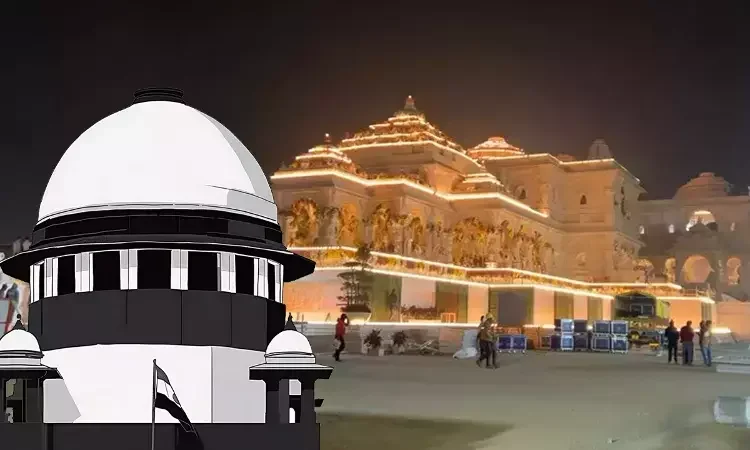
Read More: Supreme Court May Order Ayodhya Temple Fund Audit Due to Theft Claims
"The court observed that the Ghose Commission did not follow the procedure under the Commission of Inquiry Act."
Background: A Pattern of Procedural Defense
The legal battle involving KCR and Harish Rao has centered largely on two pillars: the construction quality and fiscal management of the Kaleshwaram project and private criminal complaints filed by third parties.
The Kaleshwaram dispute originated from reports of structural failures at the Medigadda, Annaram, and Sundilla barrages, leading to massive cost escalation claims—from an estimated ₹38,500 crore to over ₹1.10 lakh crore. The Ghose Commission was tasked with probing these gaps. However, the High Court's intervention suggests that the transition from political accusation to legal indictment remains hampered by technical and procedural flaws in the state's investigative methodology.
For the BRS leadership, the court's recent refusal to validate these findings is being framed as a rebuttal to state-sponsored "political conspiracies," shifting the focus from the content of the allegations back to the legitimacy of the process used to procure them.
Read More: Telangana cancer data move, but treatment places lack staff