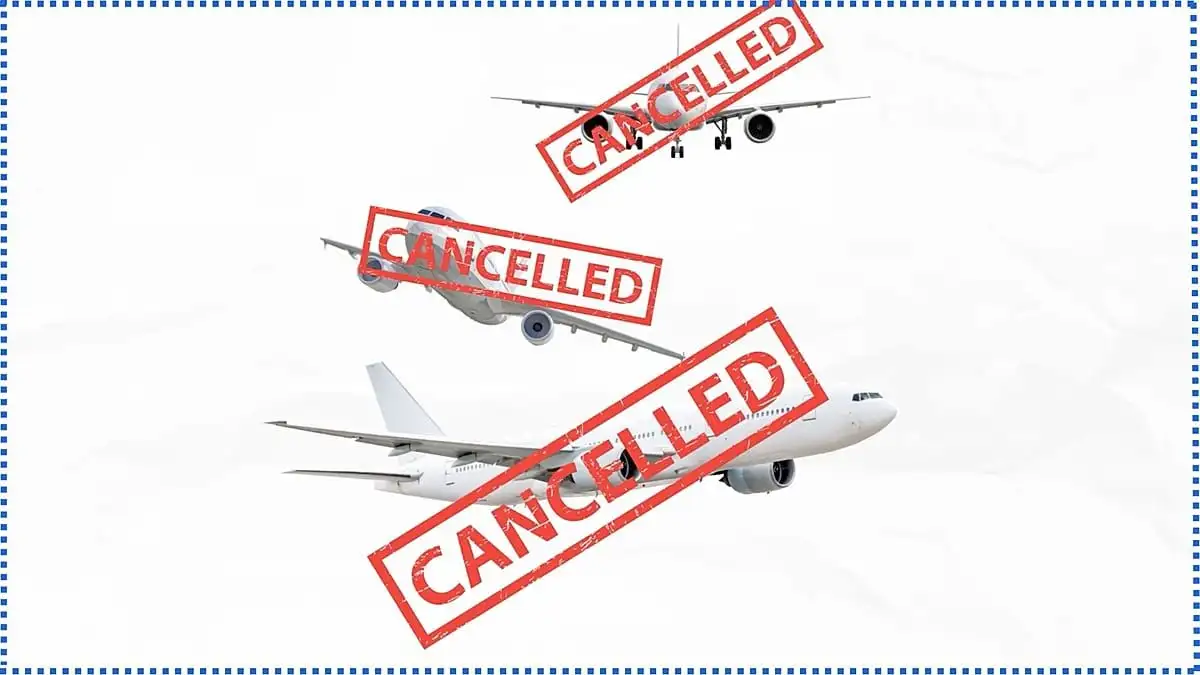
The ongoing conflict, nearly two months after the United States and Israel began military actions in Iran, is directly impacting summer travel plans, leading to higher airfares, reduced flight schedules, and a shift in destination preferences. Flight cancellations and airspace closures, particularly affecting regions like the Middle East, are forcing travelers to reconsider or reroute their plans.
Aviation analysts point to disruptions in jet fuel supply and soaring costs as primary drivers behind these changes. Reports suggest that critical jet fuel reserves could be depleted in as little as six weeks, with major airlines like Lufthansa and KLM already cutting flights by tens of thousands to conserve fuel and manage costs. This situation creates a significant "uncertainty" for travelers, reminiscent of the challenges faced during the COVID-19 pandemic.

Price Hikes and Shifting Horizons
The ripple effects of the conflict are palpable. Travelers like those looking for summer escapes are encountering "stunned" reactions to flight prices, with airlines adjusting schedules and, in some cases, suspending routes. This is driving up costs for consumers and making dream vacations seem out of reach.
Read More: Margaret River Named World's Best Wine Place
Beyond air travel, self-drive vacations are also affected, with soaring pump prices adding another layer of financial pressure.
Destination Realignments
As the eastern Mediterranean grapples with the conflict's fallout, including flight disruptions and airspace closures, holidaymakers are rerouting their trips. Destinations like Cyprus, Turkey, and Greece are seeing a decline in bookings, with travelers increasingly looking towards alternatives such as Italy, Spain, Malta, Croatia, and even the Caribbean.
"More people were also looking across the Atlantic for their summer holiday, they said, in an attempt to avoid travel disruption."
Background: A Landscape of Uncertainty
The current travel climate is shaped by a confluence of factors. Reports from travel advisors indicate that while global issues and rising fuel costs are causing some hesitation, overall travel demand remains robust. However, the nature of these bookings is shifting, with a reported increase in requests for "bespoke, curated, customized experiences on the higher-end."
Concerns also extend to airline financial stability, with travelers advised to review their travel insurance policies for coverage related to "financial default."
Read More: House Votes to Limit President's War Power on Iran
The aviation industry faces dual pressures: the rising cost of jet fuel, with sustainable alternatives still representing a small fraction of global consumption, and the potential for a "total mess" this summer if fuel shortages escalate. While airlines have yet to implement widespread cancellations solely due to jet fuel shortages, they have reduced schedules and suspended specific routes to mitigate costs. Even after any potential cessation of hostilities, experts predict it will take months for fuel prices and airfares to stabilize.
Some sources suggest that "don't panic" regarding summer flight prices, advising early booking for the first half of peak season, particularly for travel to Europe and Asia, where prices are expected to be higher.
Earlier in 2025, discussions around travel included the end of the "revenge travel" surge, with "fear and uncertainty" identified as significant factors influencing plans. Concerns over investment portfolio performance also played a role in consumer caution. Reports from mid-2025 indicated that over half of Americans were scaling back travel plans due to affordability.
Read More: Belagavi and Goa Forests Closed Until Monsoon Ends