The persistent contamination of air, water, and food by agricultural practices, particularly through hazardous pesticides and poorly managed plastics, demands a fundamental re-evaluation of current systems. These chemicals, often cheaper than sustainable alternatives, create persistent organic pollutants (POPs) that resist environmental breakdown, posing significant risks to human health and ecosystems. A new initiative, supported by the Global Environment Facility (GEF), seeks to address this by fostering collaboration among governments, financial bodies, farmers, and manufacturers. This move signifies a crucial step toward a more resilient and equitable food system.

Across the European Union, national CAP Strategic Plans are being designed to grant member states flexibility in addressing local and regional air pollution causes. These plans, under the Common Agricultural Policy (CAP), aim to support farmers who adopt practices that safeguard air quality as part of a broader sustainable agricultural framework. While policies to mitigate environmental impacts are now global, their efficacy varies, with not all interventions achieving their intended outcomes.
Read More: New Wheat Makes Bigger Starch for Food and Industry
Broader Environmental Interconnections and Policy Gaps
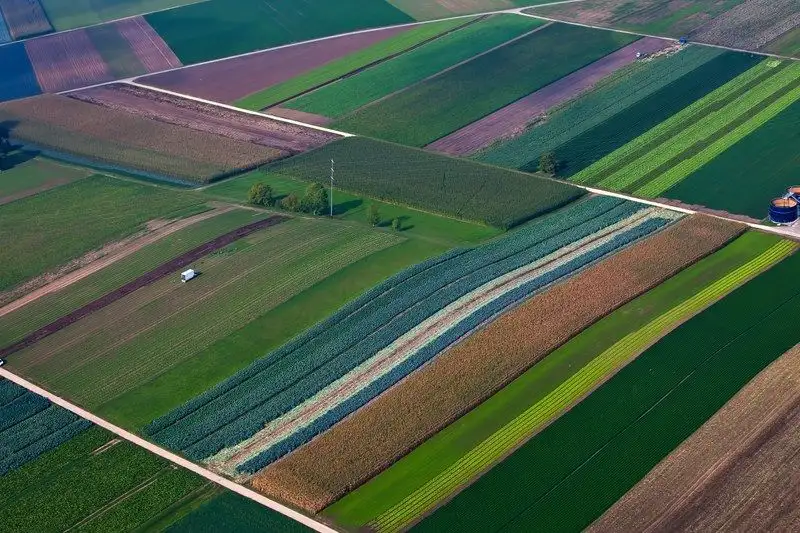
The relationship between agriculture and air pollution is multifaceted, with pollution impacting crop yields as much as agriculture contributes to it. Nitrogen oxides, a common pollutant from vehicle exhaust and industrial emissions, have been shown to significantly affect crop productivity. Studies using satellite imagery are revealing these complex interactions, highlighting the need for improved knowledge and targeted policies. While policies aimed at reducing chemical inputs, such as fertilizers and pesticides, have been implemented in various countries, including Europe, the effectiveness hinges on a systemic approach, as suggested by recent research indicating the necessity of broad changes rather than isolated measures.
Global Efforts and Regional Initiatives
Globally, countries are engaging in various strategies to tackle agricultural pollution and its associated climate impacts. Initiatives focus on reducing short-lived climate pollutants (SLCPs) and methane emissions across diverse sectors, from oil and gas to agriculture. Regional cooperation is also evident, with efforts to harmonize fuel standards and establish clean air centers.
Read More: Europe June 2026 heatwave caused 39 percent rise in Belgium deaths
Regional Harmonization: Examples include the Southern African Development Community (SADC) working on harmonizing low sulphur fuel standards and regional clean air cooperation.
National Policy Development: Countries like Brazil and Nigeria are developing national SLCP action plans and implementing monitoring, reporting, and verification (MRV) systems. Madagascar is establishing a Clean Air Center to bolster governance and regional collaboration. Mexico is strategizing to improve air quality in Monterrey, while Ghana and the West Africa region, along with Morocco and the MENA region, are setting up centers of excellence for air quality management.
Sector-Specific Mitigation: Kazakhstan is focusing on methane regulations for oil and gas, coal sectors, and enhancing capacity in its coal mining industry. India is strengthening clean cold chain policies for climate-resilient agriculture, and Mexico is developing a methane roadmap for its livestock sector.
Systemic Challenges and Future Directions
The push for cleaner agricultural practices is framed against the backdrop of the dual challenge of feeding a growing global population while mitigating climate change and environmental degradation. Emissions from food systems are projected to rise without significant intervention. The United Nations emphasizes that climate change, pollution, biodiversity loss, and land degradation are interconnected issues demanding integrated solutions, including financial incentives for transitioning away from fossil fuels and promoting sustainable agriculture. This holistic approach is critical for creating a food system that not only nourishes the planet but also ensures food security for all.