The Telangana High Court has mandated a thorough inquiry into officials who allegedly failed to act against the construction of the Barrister Fatima Owaisi Education Campus. This development stems from the discovery that the campus was built within the Full Tank Level/buffer zone of Salkam Cheruvu in Bandlaguda. Justice N.V. Shravan Kumar on Thursday ordered the State government to conduct this detailed examination, targeting any and all officials found to have neglected their duty in preventing this encroachment. The court's directive points to a systemic failure in enforcing regulations concerning construction in environmentally sensitive zones.
The High Court's action is part of a broader judicial trend addressing widespread concerns over unauthorized building activities. The court has previously directed authorities, such as the Greater Hyderabad Municipal Corporation (GHMC), to forthwith seal structures found in violation of building permissions. This often occurs after a show-cause notice is issued, but critically, the court has observed that such notices have frequently not led to further action. The influx of daily petitions complaining about GHMC inaction underscores the pervasive nature of these issues. The court has also signaled a severe stance, considering any violation of its orders as potentially amounting to 'contempt of court'.
Read More: Supreme Court May Order Ayodhya Temple Fund Audit Due to Theft Claims
Judicial Scrutiny Intensifies
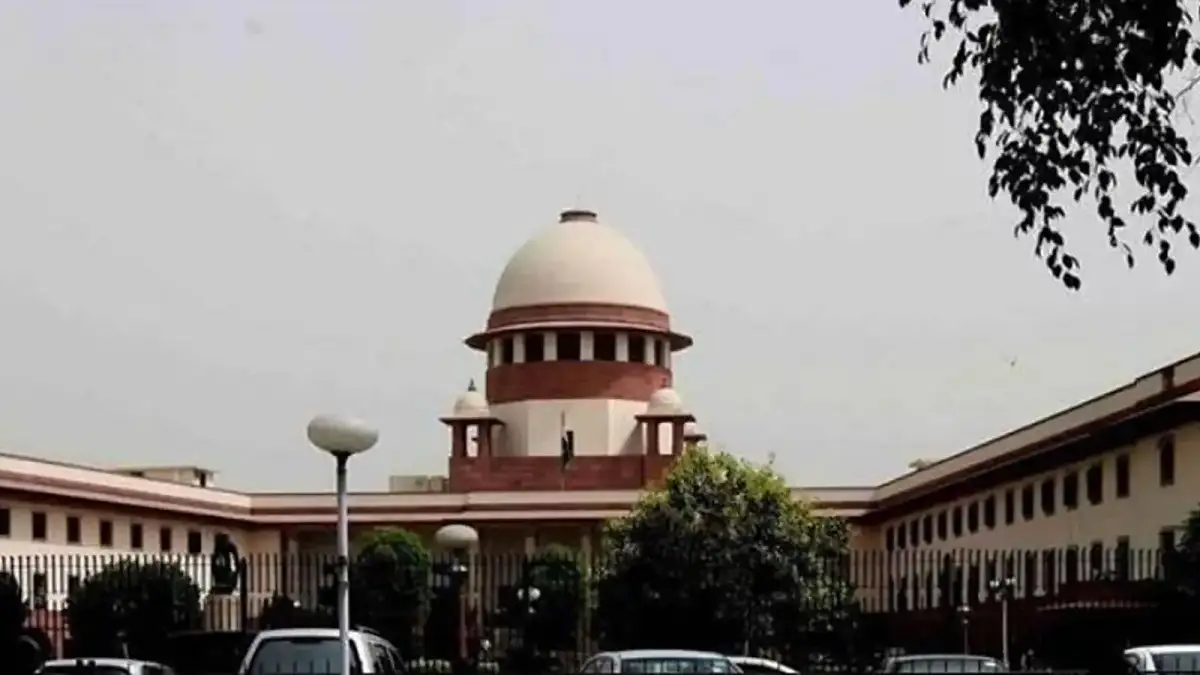
Recent judicial pronouncements emphasize a firm judicial approach against illegal construction. The Supreme Court, in its deliberations, has warned against "judicial regularisation" of buildings erected without necessary permissions. Judges have stressed that leniency towards those flouting construction laws amounts to misplaced sympathy and can foster a "culture of impunity." The apex court has echoed the sentiment that courts must adopt a strict stance, aligning with orders that uphold the rule of law and the "well-being of all concerned." This judicial resolve is not new, with prior directives underscoring the necessity for all constructions to strictly adhere to established rules and regulations. The courts have also, in similar instances, advocated for disciplinary actions against negligent municipal officers and contemplated the appointment of independent officials to conduct on-site inspections and document violations.
Read More: Telangana cancer data move, but treatment places lack staff
Background: A Pattern of Neglect and Enforcement Gaps
The situation at Salkam Cheruvu is symptomatic of larger issues surrounding urban development and regulatory enforcement across various regions. Similar concerns have been voiced by other High Courts. The Bombay High Court, for instance, recently expressed strong disapproval regarding the proliferation of unauthorized constructions in Thane, criticizing the Thane Municipal Corporation (TMC) for its perceived inaction. The Bombay High Court explicitly instructed the TMC not to await further court orders before addressing illegal structures and even hinted at the possibility of authorizing alternative bodies to carry out demolitions if necessary. These recurring judicial interventions highlight a persistent gap between regulatory frameworks and their effective implementation on the ground, leading to a cycle of unauthorized development often facilitated by administrative oversight or inaction.