RUSSIAN PRESIDENT VLADIMIR PUTIN has definitively dismissed Ukrainian President Volodymyr Zelenskyy's entreaties for a direct, face-to-face meeting, stating explicitly that "there is no point" to such a discussion at this juncture. Putin reiterated Moscow's stance, emphasizing a desire for a "comprehensive settlement" rather than a mere "temporary truce," as reported on Thursday. This rebuff comes amidst escalating Ukrainian drone strikes targeting Russian infrastructure and growing internal dissent within Russia, which some analysts suggest is fueling doubts about Putin's broader strategy.
Putin's firm rejection of Zelenskyy's call for talks, particularly in the wake of Ukraine's increasingly sophisticated drone attacks on Russian territory, signals a continued unwillingness to engage in direct de-escalation.
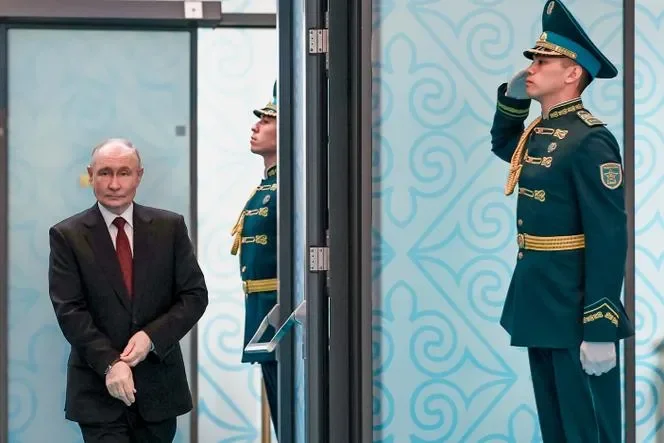
No Point to Talk
Putin's pronouncement, made on the sidelines of the St. Petersburg International Economic Forum, directly addressed Zelenskyy's repeated calls for a ceasefire and subsequent meeting. Putin suggested that such talks would only be fruitful if there were a "deal to sign," implying that Ukraine has yet to present terms amenable to Russia. This stance was evident when he was asked about a letter from Zelenskyy, which Putin did not directly reference in his public remarks but was clearly aware of.
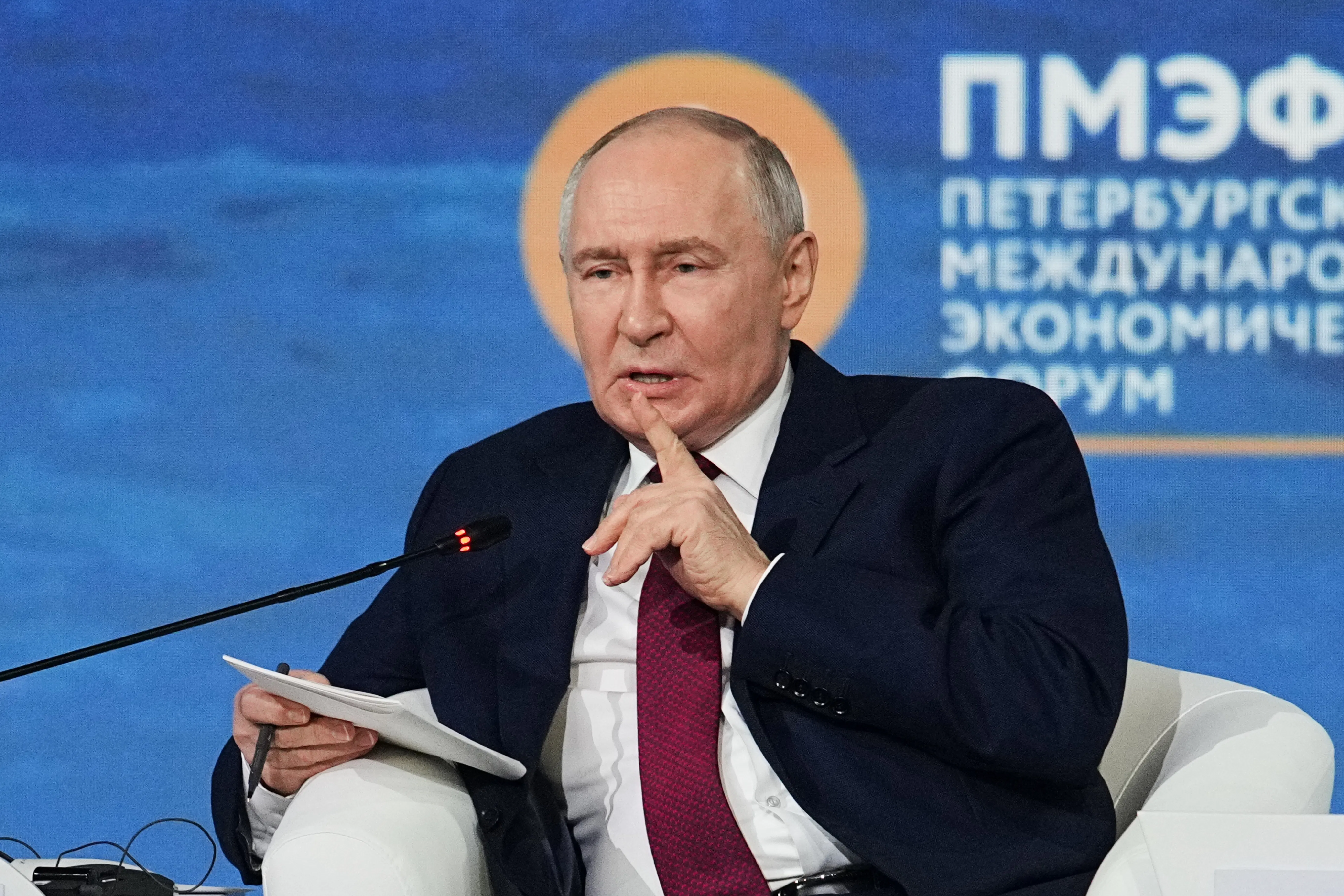
The Ukrainian president expressed disappointment, stating that Putin's response had likely disheartened many globally. Zelenskyy's overtures appeared to be an attempt to leverage perceived economic pressures on Russia and capitalize on potential disquiet among Russian business elites. A precondition for these discussions, according to Zelenskyy, was the establishment of a full ceasefire.
Read More: Taiwan Holds Nantou County Drills to Prepare for State Collapse
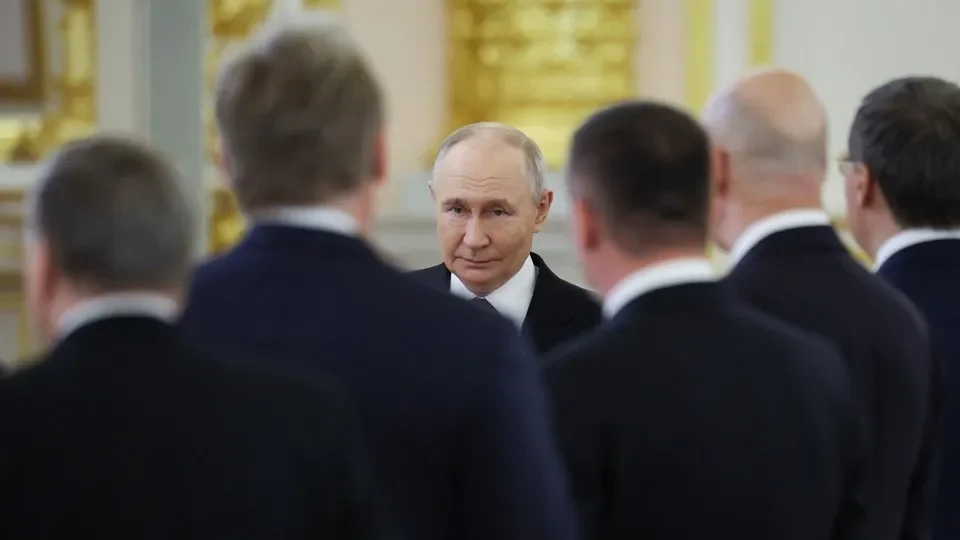
Setbacks and Drone Warfare
This diplomatic deadlock unfolds against a backdrop of significant military developments. Ukrainian forces have escalated their offensive capabilities, with repeated drone strikes impacting Moscow, its surrounding regions, and critical Russian defense industry sites, military airfields, and port facilities along the Baltic and Black Seas. A notable advancement for Kyiv has been the mass production and deployment of undetectable, medium-range drones.
These new drones, reportedly developed in partnership with the US-based private firm Swift Beat LLC, are capable of striking targets up to 200 kilometers away. Their impact is increasingly felt on key logistical routes, such as the "New Russia" highways that traverse occupied Ukrainian territory. These arteries, vital for Russian military transport from Crimea to the Donbas, are now reportedly under constant threat from AI-equipped Hornet drones, integrated with Starlink satellite internet.
Read More: AFP Reviews War Crime Claims Against Australian in Gaza
Internal Murmurs
Recent reporting suggests a shifting mood within Russia itself. Once staunch defenders of Putin appear to have become disillusioned, with "profound disappointment" noted among some circles. The efficacy of Putin's strategy is being questioned, and influencers have begun to label the conflict a "dead end." Even figures traditionally seen as staunchly pro-war are reportedly struggling to rationalize the ongoing invasion. One report, citing a Kremlin insider, drew a stark comparison, suggesting Russia is moving "closer to North Korea." This internal discontent, coupled with external military pressures, paints a complex picture for the Russian leadership.
Economic Defiance
Despite the evident pressures, Putin used the St. Petersburg forum, an event often likened to the World Economic Forum in Davos, to project an image of economic resilience. He asserted that claims of Russia's economy struggling were an "exaggeration," aiming to showcase economic progress and attract foreign investment. The forum served as a platform to counter narratives of isolation and economic hardship.
Read More: FBI Analysts Review Georgia 2020 Election Data in Fulton County