Key Findings Emerge on Zinc's Cellular Journey
Scientists have identified a protein, dubbed ZNG1, that appears to play a crucial role in delivering zinc to other proteins within cells, particularly when zinc levels are scarce. This discovery sheds light on how cells might maintain vital functions during periods of low zinc availability or malnourishment. The research probes the intricate pathways by which zinc, an indispensable element for all life, reaches its cellular destinations.
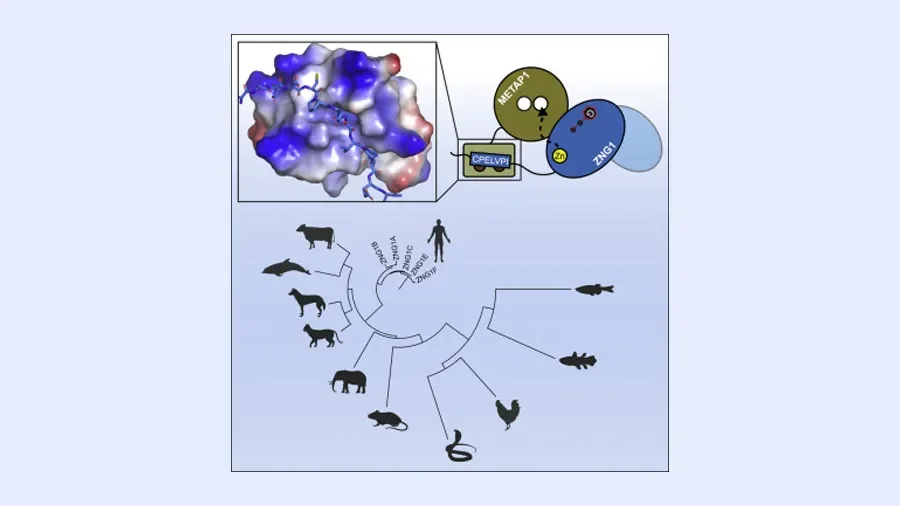
The work centers on understanding the mechanism by which zinc is transported to proteins that depend on it. It's hypothesized that ZNG1 acts as a 'metallochaperone,' guiding zinc to specific protein targets like MAP1, which requires zinc for its own function. Experiments involving cells lacking functional ZNG1 showed impaired MAP1 activity, suggesting a direct link between ZNG1 and MAP1's operational capacity. The addition of GTP was observed to restore MAP1 activity in these experiments when ZNG1 was present and loaded with zinc.
Read More: Indigenous Data Rights Now Key in Conservation Genomics
Implications for Cellular Health
This ongoing line of inquiry is positioned as a foundational step toward a deeper comprehension of how zinc metallochaperones support health and cellular operations under conditions of zinc scarcity. The research suggests ZNG1 may facilitate the function of a wider array of zinc-dependent proteins within the cell, extending its importance beyond a single target.

Zinc's Broader Significance
Zinc's necessity extends across biological domains, impacting everything from basic cellular survival to complex processes like immunity and, in some contexts, carcinogenesis, as noted in broader research on cellular zinc metabolism and signaling. Understanding how zinc is trafficked and utilized at the cellular level, particularly through proteins like ZNG1, becomes critical. The precise regulation of intracellular zinc metabolism and signaling is a subject of significant scientific attention, with implications for understanding various diseases and potential therapeutic strategies. This includes the role of specific zinc transporters, such as ZnT8, in cellular functions like pancreatic beta cell activity.
Read More: Hagfish Lost Eyes But Gained Other Senses, Fossils Show
Background: The Ubiquitous Need for Zinc
Zinc is a micronutrient fundamental to the survival of all living organisms, including humans. Its absence or deficiency can impede critical biological processes. The studies discussed, primarily published around May 2022, aim to unravel the complex logistics of zinc distribution within the cell, especially when supplies are limited.