A senior health official tasked with leading the federal response to a burgeoning hantavirus outbreak possesses a medical background heavily weighted toward penile implant surgery and men's sexual health, rather than infectious diseases or public health administration. Admiral Brian Christine, Assistant Secretary for Health at the Department of Health and Human Services, fronted a federal briefing on the crisis, prompting immediate questions about his qualifications.
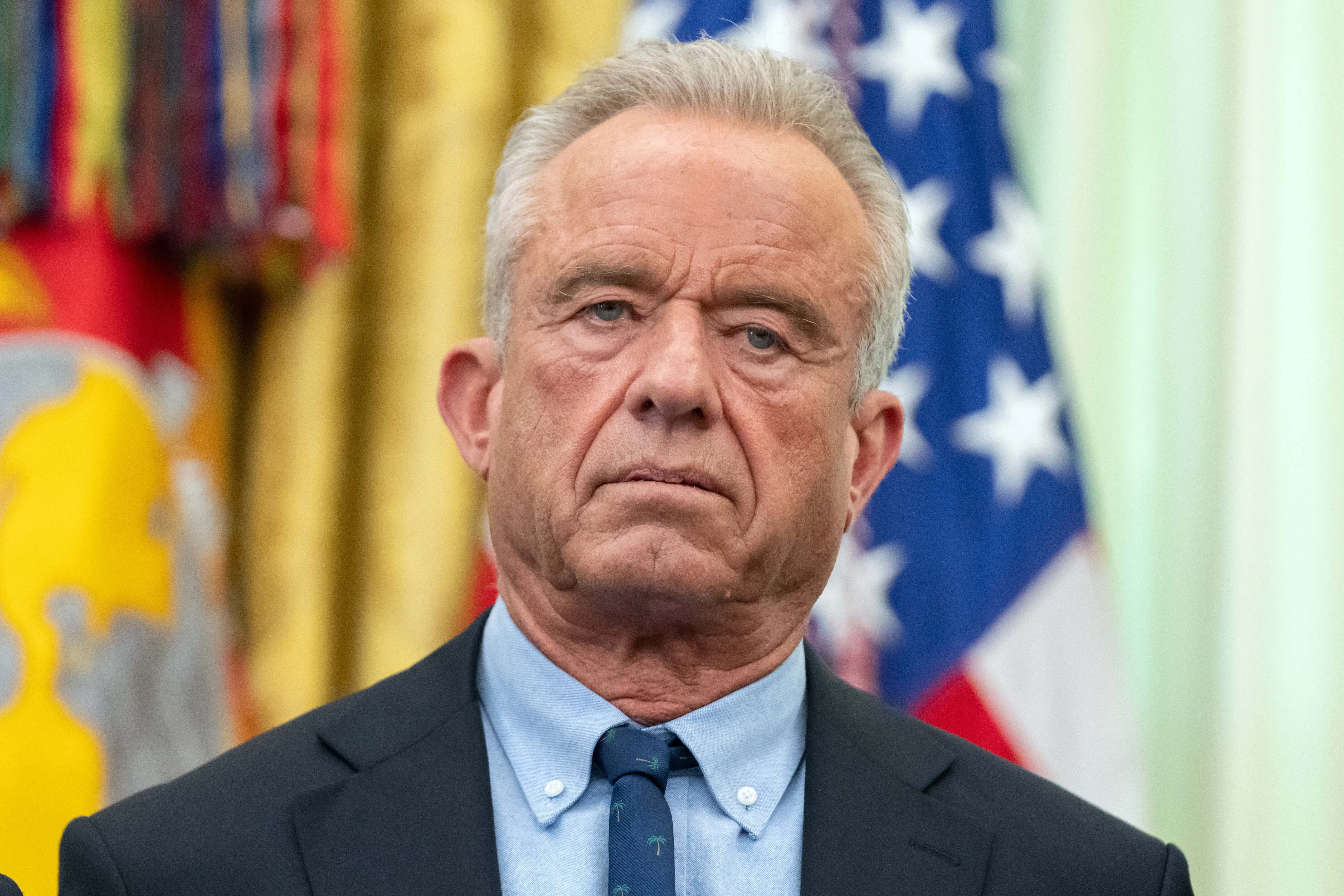
The appointment of Christine, an admiral in the U.S. Public Health Service Commissioned Corps, has drawn significant scrutiny. Public records and past media appearances reveal a career largely dedicated to the specifics of male reproductive surgeries and sexual health. This contrasts sharply with the demands of managing a public health crisis driven by a zoonotic virus transmitted through rodent excreta.==
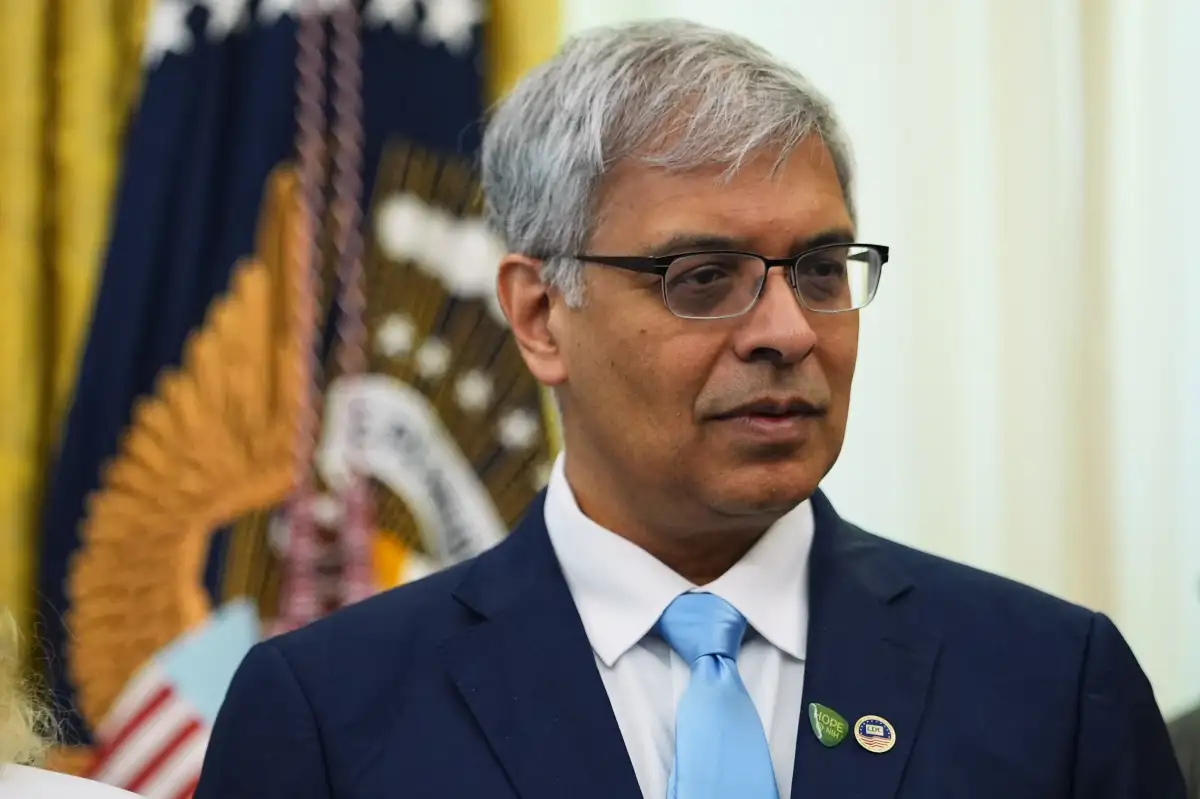
Christine's prior engagement with the public also centered on his niche specialty. He previously hosted a show titled 'Erection Connection,' a program that delved into male sexual health issues, further highlighting his focus away from epidemiology and broader public health concerns.== Critics have voiced concerns, questioning the selection process that placed a specialist in erectile dysfunction and penile implants at the helm of a response to a potentially deadly infectious disease.
Read More: New Brain Zap Therapy Helps Chronic Pain Patients in Exeter

The current hantavirus outbreak, linked to the cruise ship MV Hondius, has seen at least eight reported cases, with three confirmed fatalities. Over 40 individuals are currently being monitored, and passengers disembarked in various locations globally. The World Health Organization has maintained that the situation constitutes an outbreak, not a pandemic.

Questions Surface on Agency Preparedness and Past Actions
The handling of the outbreak has also ignited debate regarding the role and visibility of the Centers for Disease Control and Prevention (CDC). Experts have openly questioned the agency's seemingly muted presence, asking, "Where is the CDC?" This sentiment echoes broader concerns about the nation's readiness for public health emergencies.
Further complicating the narrative, reports indicate that the Trump administration previously reduced funding designated for hantavirus research. This budgetary decision, made prior to the current crisis, raises questions about preparedness and investment in understanding and combating such zoonotic threats. One particular project, a pilot study in West Africa designed to better understand hantavirus transmission from rodents to humans, was impacted by these funding shifts.
Read More: Senate Blocks $1 Billion for Trump Ballroom Security Funds
The broader context also includes criticisms regarding the administration's approach to public health infrastructure. Concerns have been raised about a potential lack of preparedness for future pandemics under current leadership, with statements from experts pointing to past actions like withdrawal from the World Health Organization and cuts to scientific research funding.
The former president, when pressed on the hantavirus outbreak, offered what has been described as a "startling" and "less-than-reassuring" response. The situation unfolds against a backdrop where public health experts express worry about the nation's current state of preparedness.