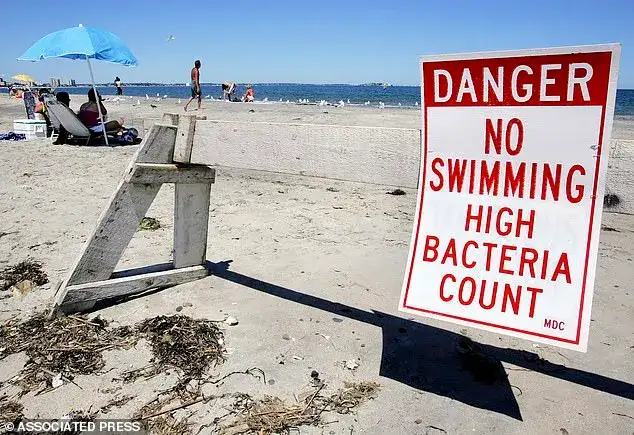
Plastic food and drink packaging now stands as the most common form of litter found along the world's coastlines, according to extensive reports on environmental pollution. This pervasive material inundates aquatic environments daily, with estimates suggesting 19 to 23 million tonnes of plastic waste enter lakes, rivers, and seas annually. The sheer volume, likened to 2,000 garbage trucks daily, underscores a crisis that extends beyond mere aesthetics, directly impacting the health of ecosystems and the livelihoods of millions.

The pervasive presence of plastic packaging on coasts signifies a failure in waste management and product design, with direct consequences for marine life and human well-being. The difficulty in retrieving plastic once it enters the ocean means these discarded items persist, fragmenting and entering food chains. This influx not only disrupts natural habitats but also diminishes the capacity of ecosystems to withstand pressures like climate change.
Read More: Amazon Land Use Changes Cause Disease Clusters in Brazil

The issue is intrinsically linked to the escalating production of disposable plastic products. While plastic offers utility, its ubiquity has transformed it into a significant global challenge. This proliferation necessitates a critical examination of business practices, urging companies to explore alternatives and for retail environments to consider plastic-free options. The problem is not isolated; it is interwoven with broader environmental stressors such as climate change, habitat degradation, and unsustainable resource utilization.

The chemical composition of plastics, often rooted in heterochain polymers, contributes to their durability and resistance to natural decomposition. This inherent resilience, a key factor in their widespread application, becomes a liability when these materials are discarded.

The global outcry regarding plastic pollution is amplified by organizations like the United Nations Environment Programme (UNEP) and the World Wide Fund for Nature (WWF), which highlight the urgent need for multifaceted solutions. Their work points to the interconnectedness of environmental risks, advocating for a holistic approach that considers the environmental, social, economic, and health implications of plastic.
Read More: New Small Blue Octopus Found in Ocean Depths