Interventions in Army List Leave Many Unsure of Reasoning
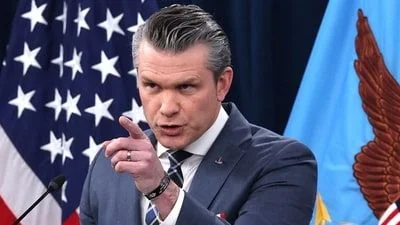
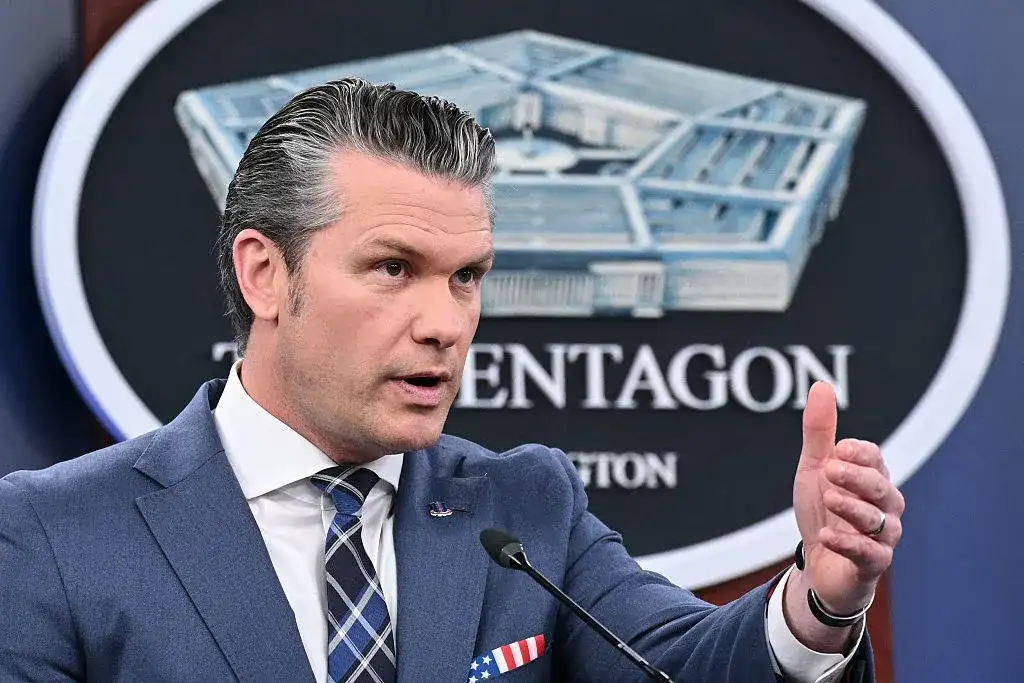
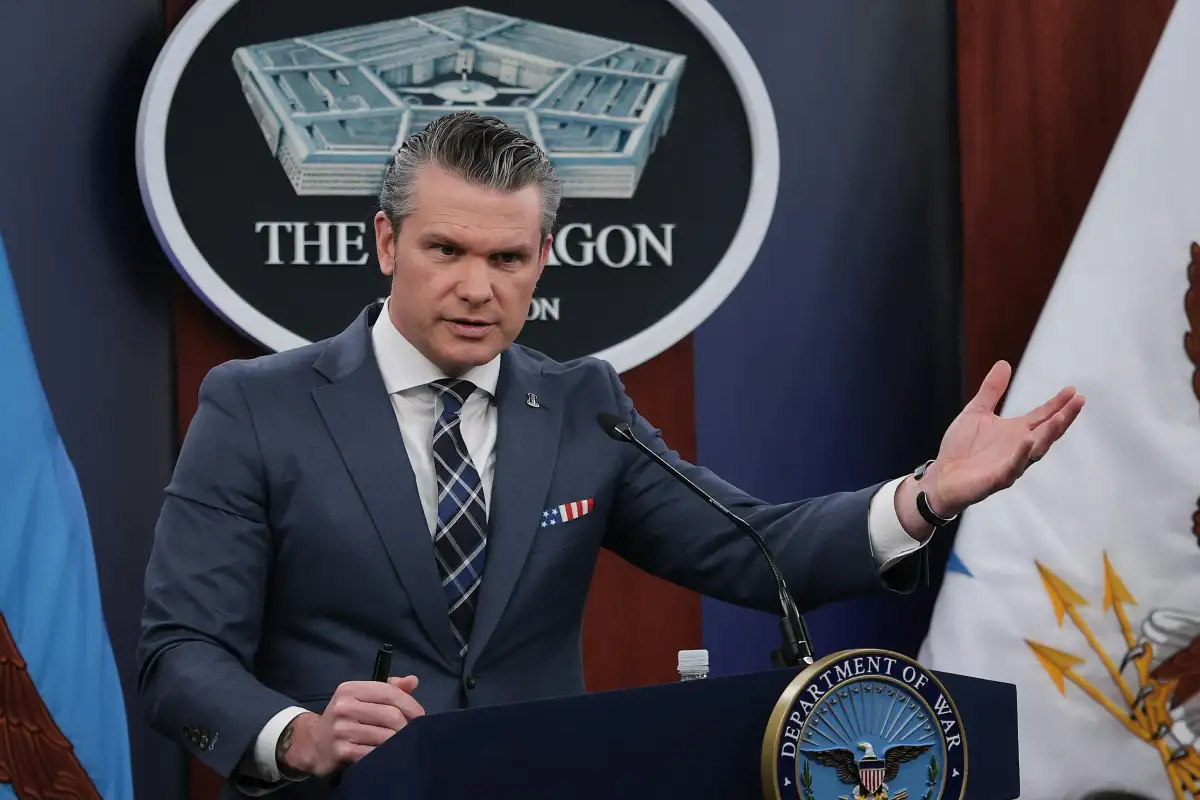
Defense Secretary Pete Hegseth has reportedly intervened to remove four Army officers—two Black men and two women—from a list of those slated for promotion to brigadier general. This unusual action has prompted scrutiny and confusion, with officials and observers alike questioning the rationale behind the decision, particularly given the officers were not facing misconduct allegations.
The promotions list, initially comprising about three dozen officers, is said to have had a majority of white men, with the removed individuals being among a smaller contingent of women and minorities. Reports suggest Secretary Hegseth had been pushing for the removal of these four officers for some time, with Army leadership reportedly resisting the move. The secretary's direct interference in the promotion process, bypassing established procedures where lists are typically approved or rejected wholesale, is a point of contention.
Read More: Pentagon Chief Forces Army General Randy George Retirement Amid Iran Tensions
Unclear Justification Fuels Speculation
A U.S. official, speaking anonymously, stated that the officers were not under investigation and faced no misconduct claims. The lack of a formal explanation provided to military leadership has amplified speculation regarding the underlying reasons for their exclusion.
Senior military officials themselves reportedly lack a clear understanding of why these specific officers were singled out. The defense secretary's office has not provided a public justification, though a Pentagon spokesman, Sean Parnell, has dismissed reports of impropriety, stating that promotions under Secretary Hegseth are awarded based on merit. However, this claim is met with skepticism by some, who point to the fact that the removed officers had years of exemplary service.
Standard Practice Disrupted
The standard procedure for military promotions typically involves the secretary of defense either approving or rejecting an entire list of candidates, rather than personally selecting individuals for removal. Hegseth's reported action deviates significantly from this norm, leading to concerns about protocol being broken. The move is reportedly under review at the White House, and legislative bodies, such as the Senate Armed Services Committee, are beginning to look into the matter.
Read More: Andhra Pradesh Municipal Wards Change Number of Members Based on 2011 Census Data

Context of a Wider Climate
The reports emerge amidst broader discussions about diversity and inclusion within the U.S. military. Some accounts suggest a directive, attributed to political figures, to reduce the visibility of Black female officers at military events. Previous actions by Secretary Hegseth have also been framed by critics as an effort to undermine diversity initiatives within the armed forces.
Background
Defense Secretary Pete Hegseth is the subject of these reports concerning his intervention in Army officer promotions.
The affected officers were on a list for promotion to brigadier general (one-star general).
The list included four officers: two Black men and two women.
The original promotion list reportedly consisted of approximately three dozen officers, the majority of whom were white men.
Army Secretary Daniel P. Driscoll is mentioned as having been pressured by Hegseth to remove the officers.
Reports indicate a departure from standard promotion protocols, where wholesale approval or rejection of lists is the norm.
Senator Jack Reed, ranking member of the Senate Armed Services Committee, is reportedly looking into the allegations.
Pentagon spokesman Sean Parnell has characterized the reporting as "fake news," asserting promotions are merit-based.
The New York Times is cited as the original source for much of the reporting on this matter.