Mediation plea amid regional crisis
Pakistan is urging the United Nations to elevate 'mediation' to the primary defense against escalating conflicts, a call made amidst the ongoing and volatile Middle East crisis. The nation's leadership has positioned itself as a key mediator in US-Iran dialogues, though recent developments saw American emissaries' planned visit to Islamabad cancelled. This push for diplomacy surfaces as Pakistan itself grapples with significant internal security challenges and regional tensions.
Security alerts and border strains
Recent travel advisories highlight heightened security concerns for foreign nationals in Pakistan. Travelers are cautioned to remain vigilant, avoid public gatherings, and monitor flight statuses, particularly those connecting to Gulf nations. These advisories stem from a confluence of factors: ongoing regional instability impacting Pakistan, persistent tensions with Afghanistan, and an elevated risk of terrorist attacks, especially in urban centers. A recent incident involved an overturned truck carrying Afghan families returning from Pakistan in the Laghman province of eastern Afghanistan, underscoring the precarious cross-border movements.
Read More: Taiwan Holds Nantou County Drills to Prepare for State Collapse
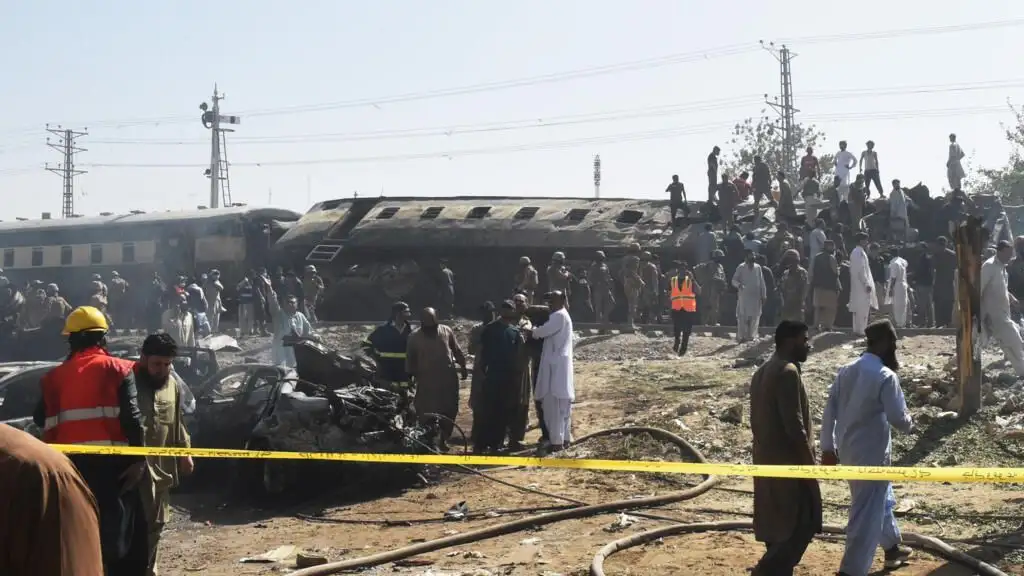
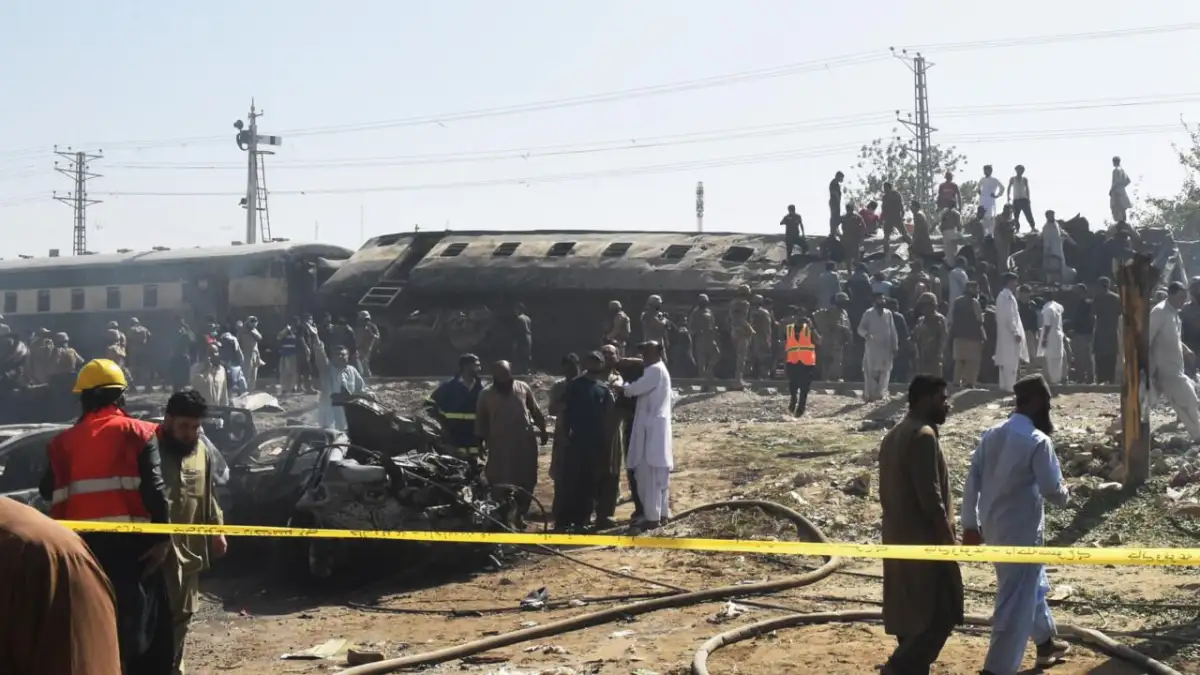
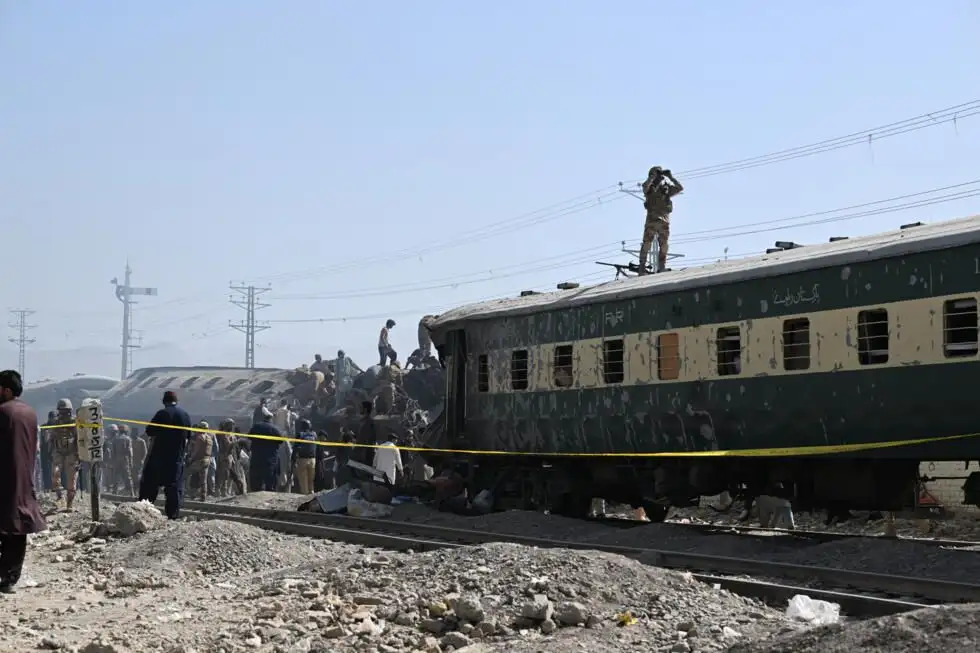
Balochistan bombings highlight internal fractures
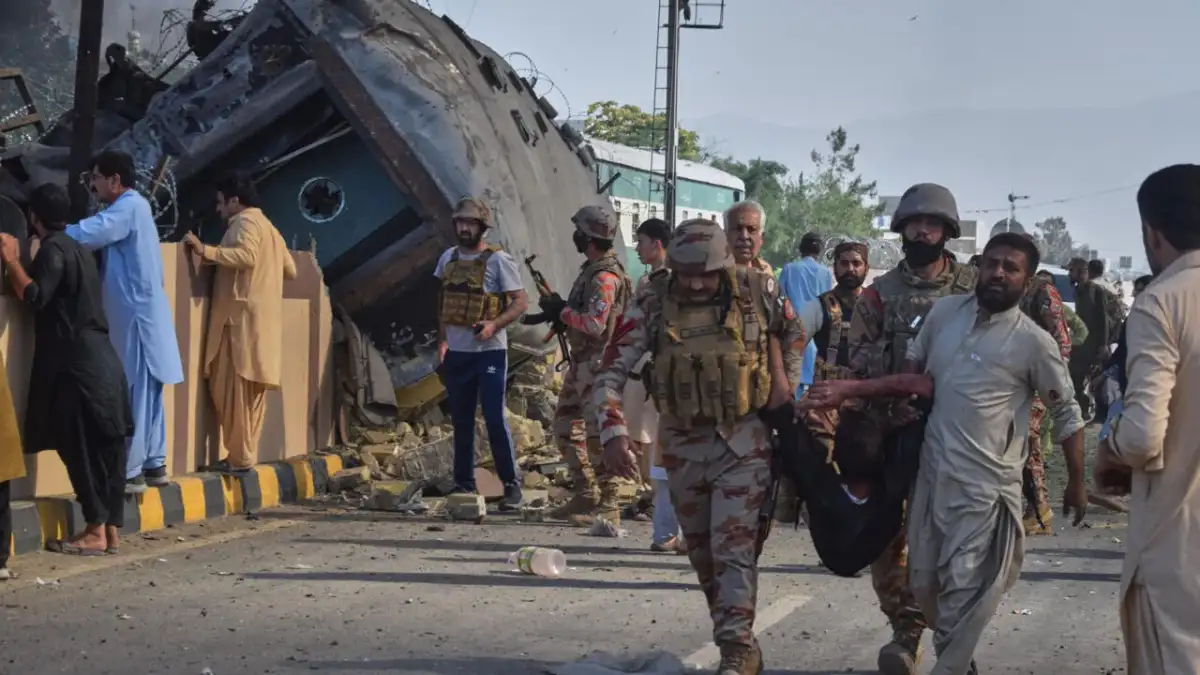
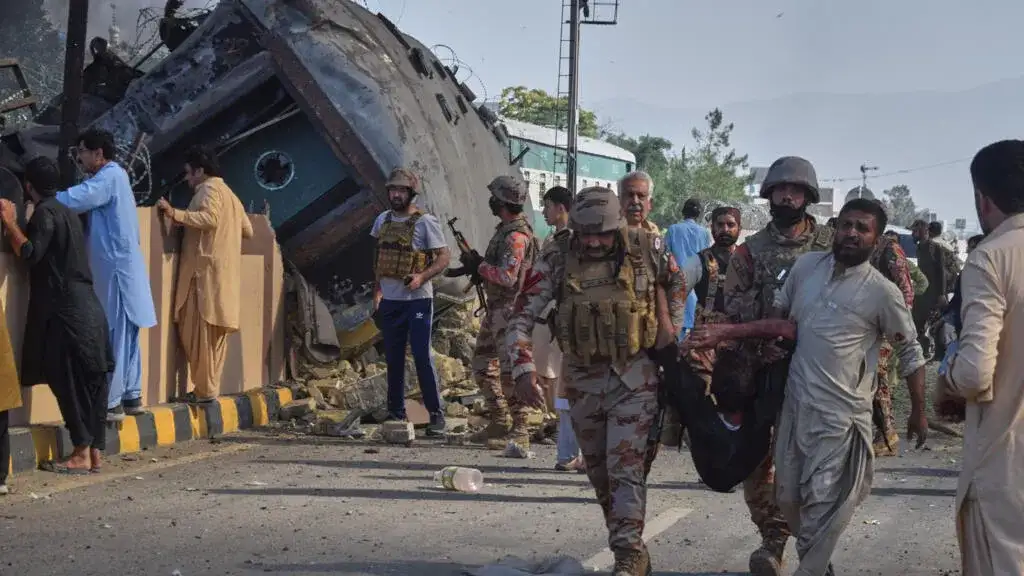
In a stark display of internal strife, Balochistan province, Pakistan's largest and poorest region, has been the scene of significant violence. On May 24, 2026, an explosive attack targeting a train carrying military personnel resulted in at least 24 deaths and over 50 injuries. The bombing was claimed by separatist militants. This attack is part of a series of assaults on trains, security forces, and infrastructure within the mineral-rich province, which borders both Iran and Afghanistan.
Regional peace efforts, fragile truces
The broader Middle East crisis continues to present a fractured landscape. While US President Donald Trump extended a ceasefire, he described it as "on life support" amid Iran's non-compliance with US peace proposals. Netanyahu has ordered strikes against Hezbollah in Lebanon, indicating a continued escalation on other fronts. The failure of US-Iran negotiations has been noted as unsurprising by observers, complicating Pakistan's role as a potential mediator.
Read More: AFP Reviews War Crime Claims Against Australian in Gaza
Military influence and national identity
The head of Pakistan's army is noted as a pivotal figure in mediating between the US and Iran, reflecting the military's substantial influence in Islamabad. Meanwhile, recent claims by Islamabad of destroying five Indian combat aircraft point to ongoing bilateral tensions. Beyond the immediate geopolitical scene, Pakistan is also facing internal debates regarding mass tourism and its historical impact, alongside challenges such as necessary reforms, climate change, and international trade fragmentation. Cultural touchstones like the Badshahi and Faisal mosques in Lahore, along with traditional cuisine and music festivals, remain central to the nation's identity.