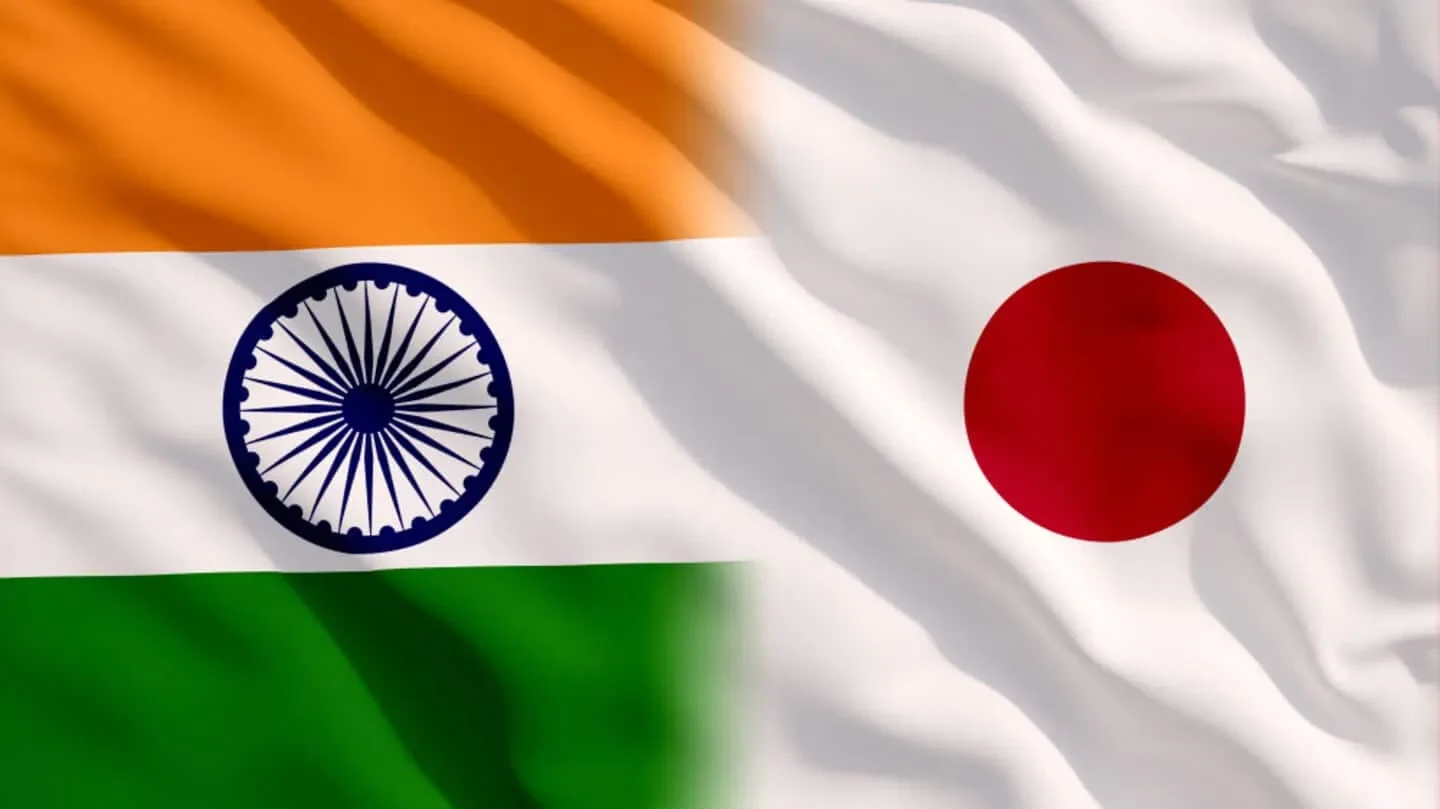
Islamabad has publicly rebuffed allegations made by New Delhi concerning the recent elections in Gilgit-Baltistan (GB). The Pakistani Foreign Ministry stated unequivocally that India's claims were baseless and represented an unwarranted interference in Pakistan's internal affairs. Officials in Islamabad emphasized that the elections in Gilgit-Baltistan were a sovereign matter for Pakistan.
Further details surrounding the specific nature of India's "claims" were not elaborated upon in the Pakistani government's statement. However, the strong, immediate rejection suggests a significant divergence in perspectives regarding the political status and electoral processes in the disputed region. This diplomatic exchange underscores the persistent tensions between the two nuclear-armed neighbours.
The Gilgit-Baltistan region, bordering China, has a complex history and its political status has been a point of contention. It lies adjacent to the Pakistani-administered sector of Kashmir, a territory also claimed by India. India has historically viewed Pakistan's administration of Gilgit-Baltistan as an illegal occupation, stemming from the broader context of the Kashmir dispute that has defined much of the subcontinent's post-colonial trajectory. Pakistan, conversely, views the region as an integral part of its territory, with its own administrative structure.
Read More: Taiwan Holds Nantou County Drills to Prepare for State Collapse
Pakistan itself, an independent nation since 1947 following the partition of British India, is geographically situated at the western edge of the Indo-Gangetic Plain. Its population is marked by diverse ethnic groups, and its governance is headed by a Prime Minister. The nation's topography is significantly shaped by the Indus River system.