Abdul Basit, a former Pakistani High Commissioner to India, has publicly articulated a grim scenario: if the United States attacks Pakistan, potentially targeting its nuclear program, Pakistan would retaliate by bombing Indian cities like Mumbai and Delhi without hesitation. This declaration, made during a live television broadcast, positions India as a "default" target for Pakistan in such a hypothetical conflict, even if India is not directly involved.

Basit's statements emerged in the wake of remarks by former US Representative Tulsi Gabbard regarding Pakistan's missile development and a US intelligence report that classified Pakistan, alongside major powers like China, as a significant nuclear threat to America. The former envoy questioned the basis of US intelligence assessments, particularly concerning the range of Pakistan's ballistic missiles.

Basit framed these remarks as a response to perceived existential threats, suggesting that if Pakistan cannot strike US bases or Israel directly in retaliation for an attack, India becomes its sole recourse. He emphasized that this was a hypothetical, worst-case scenario, which he deemed highly improbable given Pakistan's defensive capabilities.
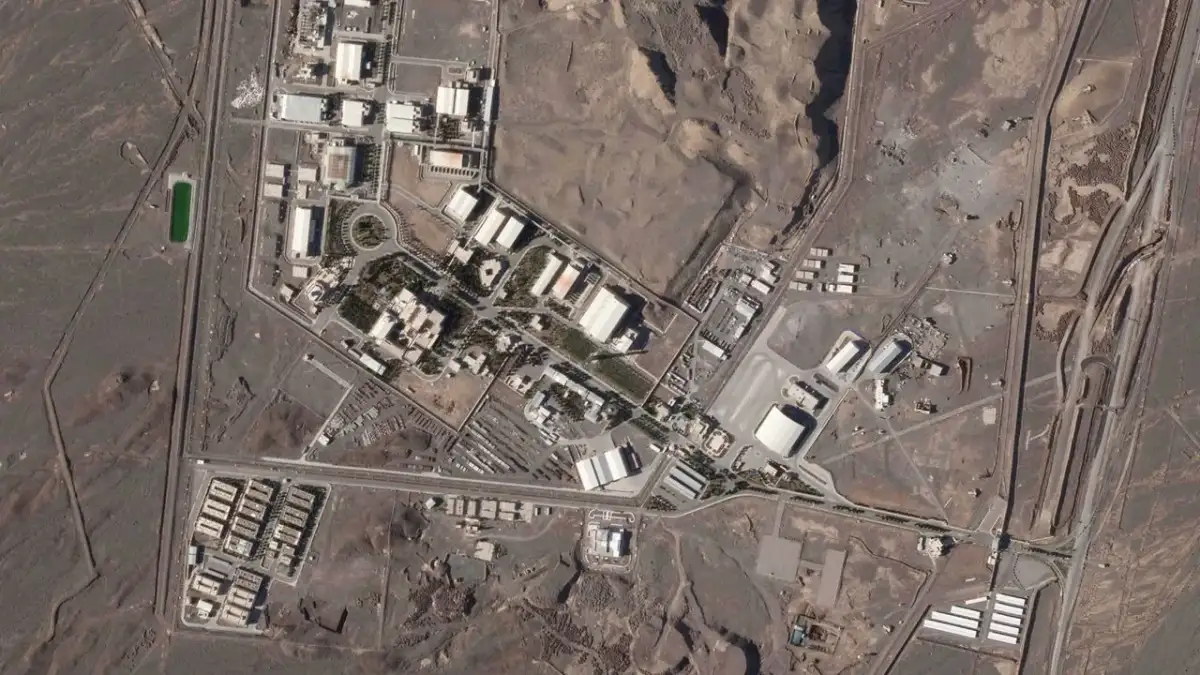
Read More: Iran Zagros Mountain Nuclear Site Construction Update April 2026

The Pakistani government has neither officially endorsed nor distanced itself from Basit's statements. New Delhi has also refrained from issuing an official response.

A "Tutored" Narrative or Diplomatic Drift?
Intelligence sources suggest that Basit's pronouncements are not merely off-the-cuff remarks but might reflect a calculated message, potentially serving as a "tutored" narrative from elements within the Pakistani security establishment. His elevation of Indian cities as a legitimate target for retaliation against the US signals a profound shift, or perhaps an articulation of deeply held sentiments within the upper echelons of Pakistani power.
Basit's articulation also appears to test diplomatic red lines, potentially serving as a deterrent against US policy shifts concerning Pakistan's nuclear arsenal. It highlights existing fault lines: a perceived Pakistani "siege mentality," India's growing assertiveness, and complex US balancing acts in the region, especially amidst the ongoing Middle East conflict involving Iran, Israel, and US forces.
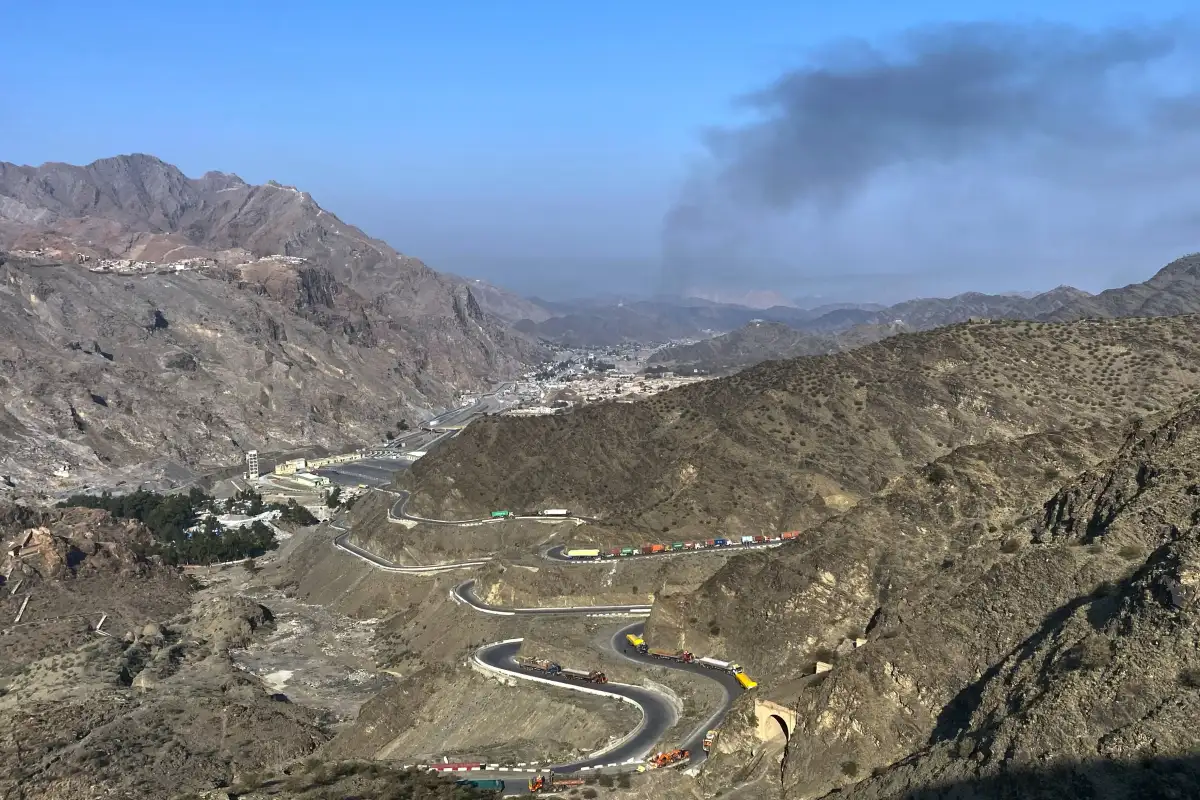
Read More: US supports Pakistan border strikes against Taliban as of April 2026
Context of Regional Instability
These pronouncements unfold against a backdrop of escalating regional friction, including the Middle East conflict where Iran has been targeting Gulf nations in response to Israeli and US strikes. The US intelligence report that flagged Pakistan also cited its role in regional instability and the persistent threat of terrorism. Basit's rhetoric may be interpreted as an attempt to deflect attention from these internal and regional pressures, or as a strategic gambit to deter perceived US encirclement, particularly through India, which hosts no US military bases unlike many Gulf nations.