India has significantly upgraded its diplomatic engagement with Afghanistan's Taliban government, a move that has amplified existing tensions between India and Pakistan, and between Afghanistan and Pakistan. The recent elevation of India's mission in Kabul to a full-fledged embassy, following high-powered talks between Indian External Affairs Minister S. Jaishankar and Taliban acting Foreign Minister Amir Khan Muttaqi, marks a distinct shift in regional dynamics. This burgeoning relationship appears driven by India's strategic imperative to counter Pakistan and China's influence, while the Taliban seek foreign investment for their nation's natural resources and support against militant groups operating from Afghan soil.
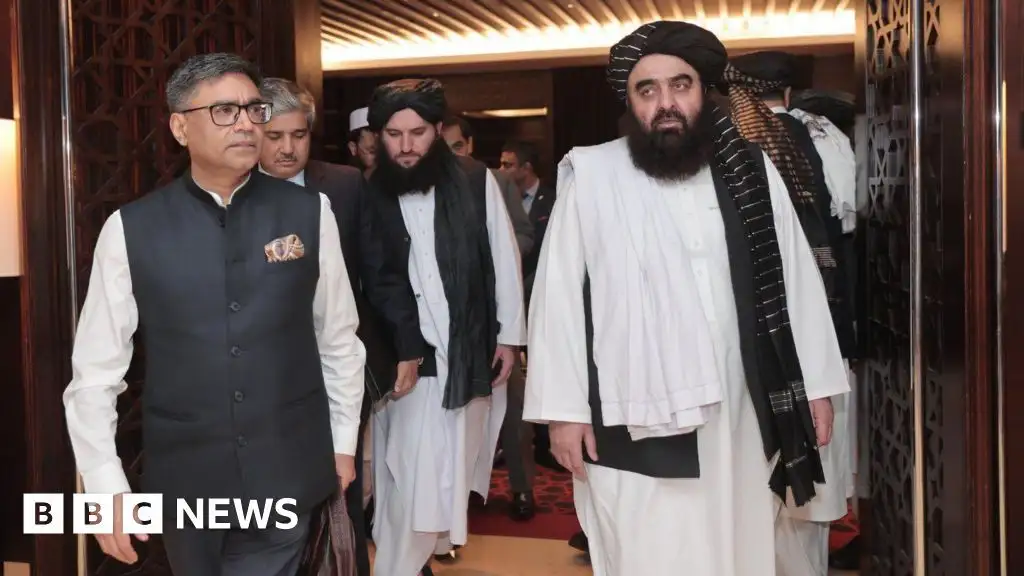
"India had been a key development partner for Afghanistan under the pre-Taliban government, supporting infrastructure projects and other initiatives."
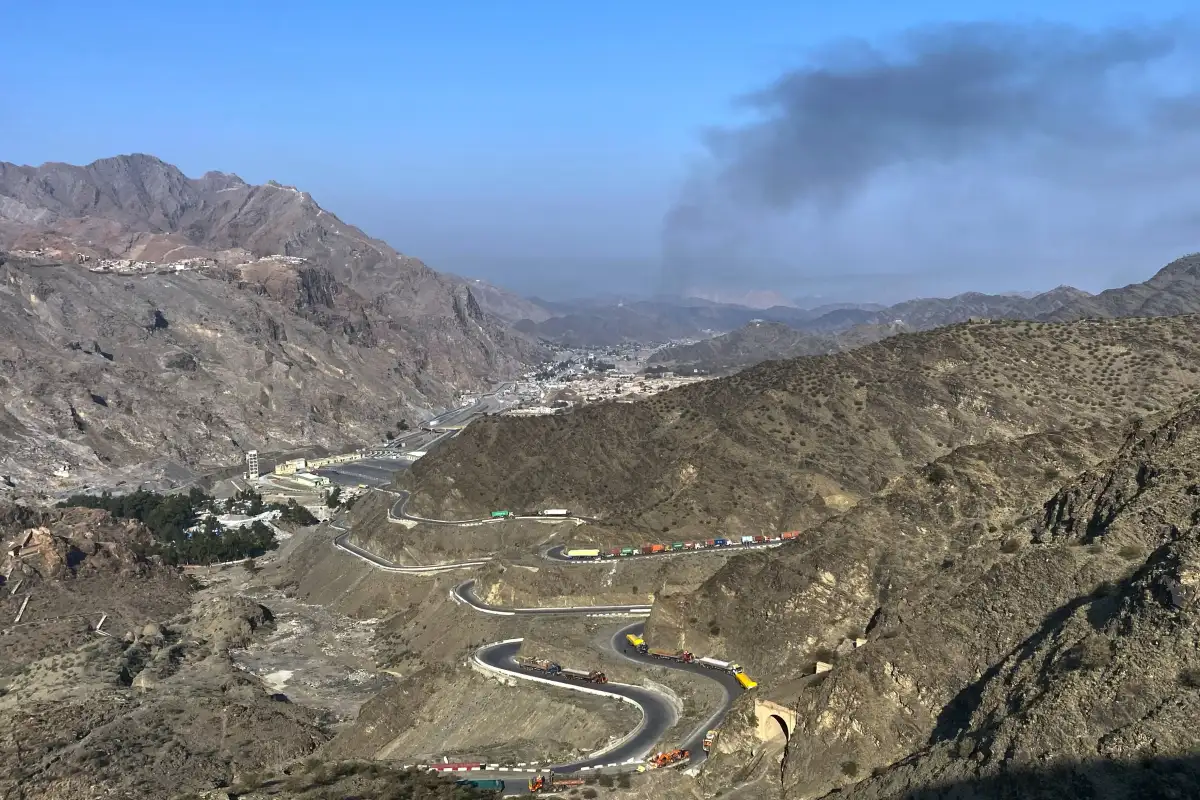
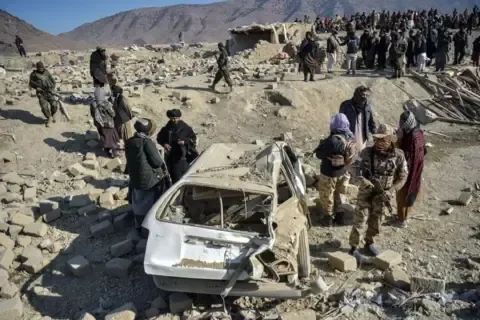
Pakistan has intensified cross-border airstrikes into Afghanistan, citing the presence of militant groups, particularly the Tehreek-e-Taliban Pakistan (TTP), operating from Afghan territory. These actions, often occurring around the time of significant diplomatic engagement between India and the Taliban, have exacerbated the conflict between the two neighboring nations. Afghanistan, in turn, has accused Pakistan of bombing its territory. This volatile situation is leading to expectations of a new military escalation along the border.
Read More: Iran Warns Gulf States After U.S. Naval Clash
Diplomatic Maneuvers and Regional Realignment
India's outreach to the Taliban, described as a "quietly reestablishing and elevating ties," signals a pragmatic adjustment to the changed geopolitical landscape following the Taliban's takeover of Kabul. This strategy aims to ensure Afghanistan remains a strategic partner rather than an adversary, and crucially, to incentivize cooperation with India over its regional rivals. The renewed engagement includes discussions on anti-terrorism efforts and India's commitment to Afghanistan's sovereignty, territorial integrity, and independence.
"There is a lot of potential for India to take up projects in Afghanistan," observed Raghav Sharma, professor and director of the Center for Afghanistan Studies at O.P. Jindal Global University.
Economic and Security Undercurrents
The Taliban's administration views increased economic engagement with India as mutually beneficial, particularly concerning the development of Afghanistan's untapped natural resources. This focus on resource development was highlighted by a Taliban Doha chief, who spoke of mutual benefit. Concurrently, India has urged the Taliban government to coordinate anti-terrorism efforts and expressed appreciation for Kabul's sensitivity to India's security concerns. Pakistan, however, has strongly objected to any references to Kashmir in joint statements between Afghanistan and India, further complicating regional diplomacy.
Read More: US supports Pakistan border strikes against Taliban as of April 2026
Pakistan's Counter-Actions and Regional Tensions
The escalating tensions have seen Islamabad introduce new policies, including a "refugee-free" policy aimed at repatriating millions of people, amid claims that the Taliban harbors Pakistani militants. China has attempted mediation between Pakistan and Afghanistan, particularly in the wake of intensified Pakistani airstrikes, but with limited success. The volatile situation also presents challenges for humanitarian efforts, with reconstruction facing significant funding shortages.
Shifting Alliances and Strategic Calculations
This period of heightened diplomatic activity and conflict follows years of instability since the Taliban's return to power. India's shift in approach indicates a recalibration of its regional strategy, moving from a stance of direct support for the previous Afghan government to a more nuanced engagement with the current Taliban administration. The implications of these evolving ties extend to the international stage, with discussions on potential recognition for the Taliban government influenced by the complex interplay of regional ambitions and security concerns.
Read More: Russia Boosts Air Defense Against Ukraine Drone Attacks
Afghanistan, situated at the intersection of Indian, Pakistani, Chinese, and Russian ambitions, faces ongoing geopolitical uncertainties.
The conflict has also impacted refugee flows, with blanket visa freezes forcing many to reassess their situations.
International mediators, including China and Iran, have engaged in efforts to de-escalate hostilities along the Afghan-Pakistan border.