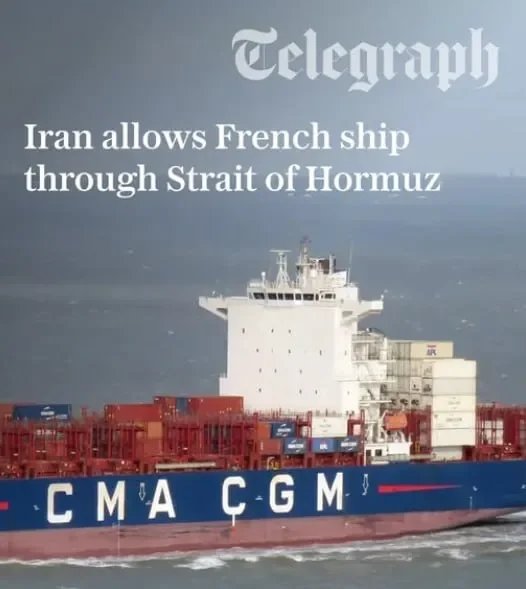
A ship with French ties has traversed the Strait of Hormuz, a critical chokepoint for global trade, marking the first transit by a Western European vessel since the onset of the Iran conflict. The Maltese-flagged container ship, CMA CGM Kribi, navigated eastward through the waterway. Its passage occurred shortly after French President Emmanuel Macron reportedly voiced criticism of US strategy concerning the strait's reopening, and following France's vote against military action at the UN Security Council.
== The passage of the CMA CGM Kribi, carrying cargo, through the Strait of Hormuz signifies a notable shift, representing the first successful LNG tanker movement and the first Western European vessel transit since the conflict significantly curtailed commercial traffic. == This development comes as international leaders prepare to convene, likely to discuss methods for clearing sea mines and facilitating the release of stranded vessels. Data indicates the vessel activated its transponder near Dubai on March 28th, proceeding eastward. Another vessel, the Sohar LNG, an LNG tanker not carrying cargo, also altered its course and moved eastward through the strait toward Oman.
Read More: Cuba frees 2,010 prisoners amid US pressure, rights groups want political detainees freed
A Narrowing Passage Amidst Wider Tensions
Reports suggest that since March 1st, most transits through the strait have involved ships originating from or destined for Iran, with some connections to the United Arab Emirates, India, China, or Saudi Arabia. In more peaceful times, approximately 20% of the world's crude oil and liquefied natural gas moves through this narrow maritime passage.
Diplomatic Undercurrents and Shifting Stances
The allowance for the French ship's passage has been juxtaposed with remarks by US President Donald Trump, who has asserted the US's ability to reopen the strait unilaterally, while also expressing frustration over a lack of allied support. Macron's office has not immediately commented on whether the French government had brokered the vessel's passage. The specifics of how the ship secured safe passage remain unclear, though its route near the coast of Oman and proximity to Iran's Larak Island, a known passage for ships transiting the strait, have been noted.
Read More: US Iran Ceasefire Talks Fail: Iran Rejects US Truce Proposal

== Iran appears to have granted French vessels the right to transit, capped at one ship per day. == This diplomatic gesture, or perhaps a calculated allowance, follows France's alignment with Russia and China in opposing military intervention to force open the strait at the UN Security Council. This stance contrasts with the US push for assertive action to restore maritime traffic.
Contextualizing the Strait of Hormuz
The Strait of Hormuz, a strategically vital maritime passage, serves as a critical conduit for global energy supplies. Approximately 20% of the world's crude oil and liquefied natural gas typically passes through this waterway. The conflict has led to a significant disruption of shipping, prompting concerns among nations reliant on these trade routes. Reports indicate that approximately one-third of the ships transiting since March 1st have had links to Iran, with others connected to nations like Pakistan and India.
Read More: Doctor insults ICE agents at JFK airport and posts video online
The events surrounding the CMA CGM Kribi's transit and the broader diplomatic exchanges highlight the intricate geopolitical dynamics at play in the region. The situation remains fluid, with further discussions and potential actions anticipated as international bodies attempt to address the ongoing disruptions to maritime commerce.