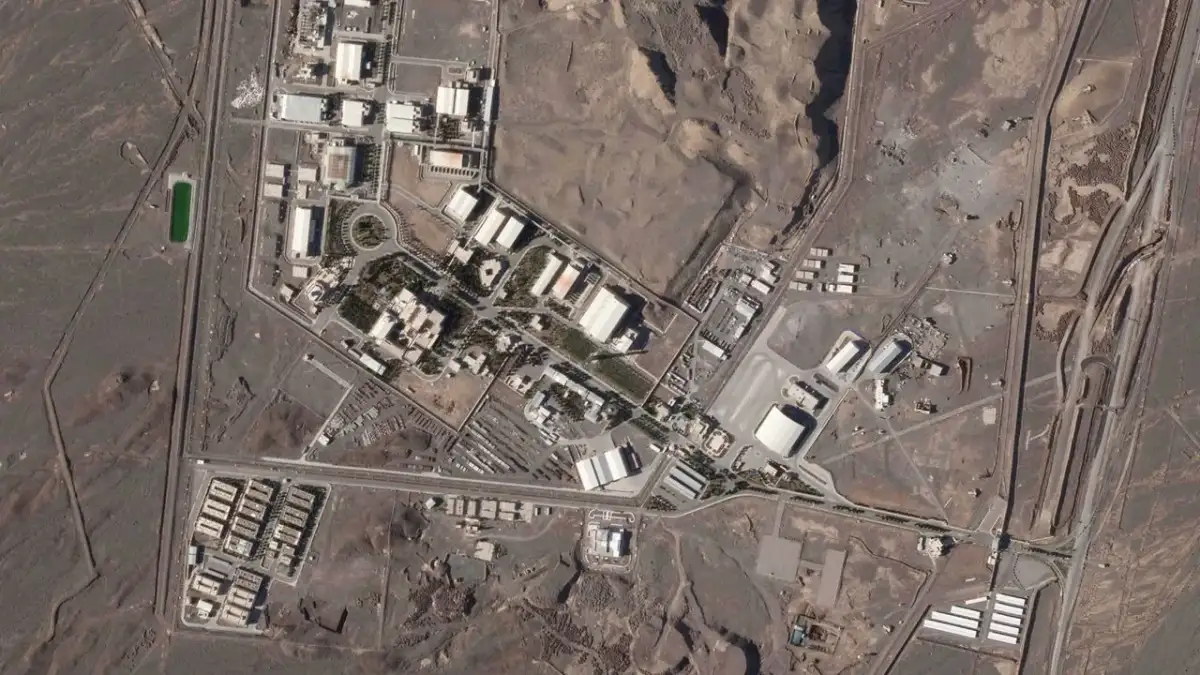
A former Pakistani diplomat's public pronouncements have positioned major Indian cities as a primary retaliatory target in a scenario where the United States were to attack Pakistan.
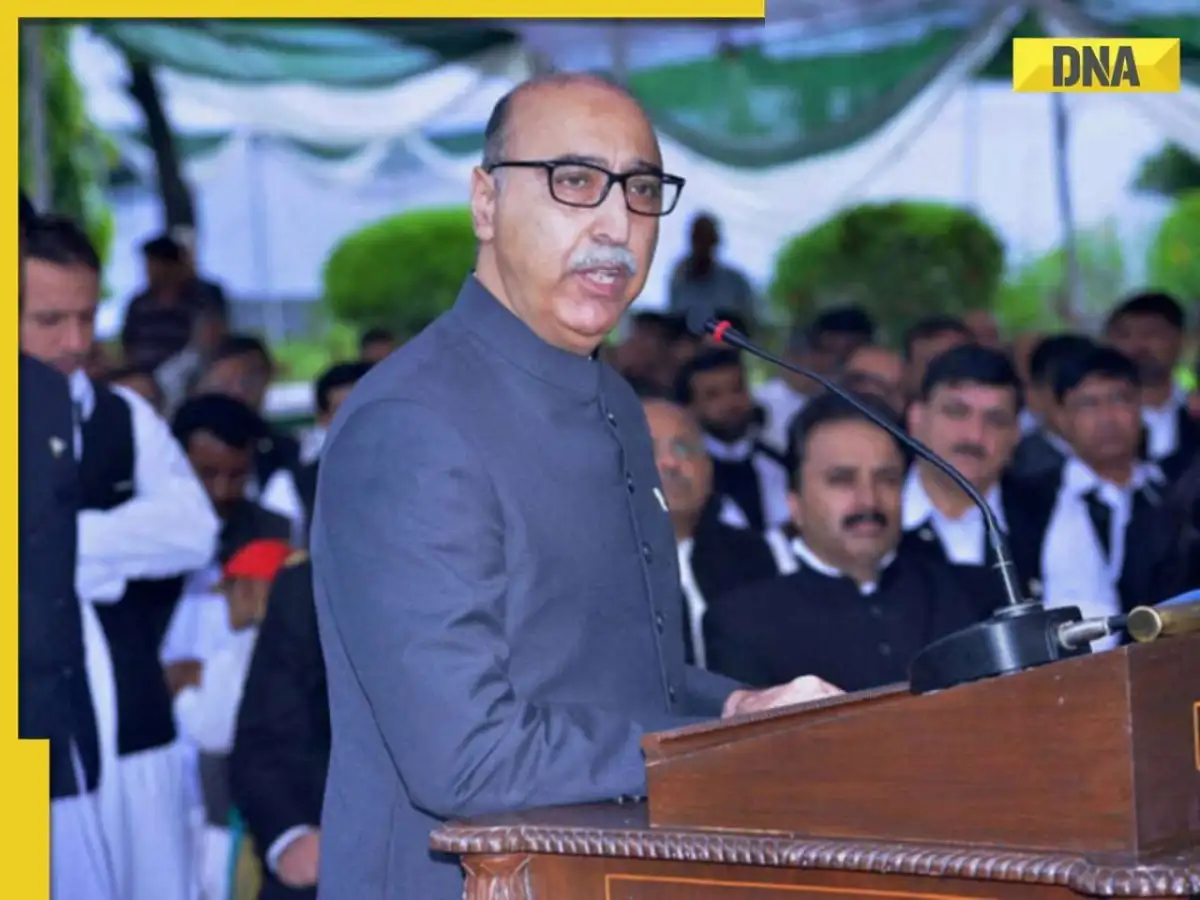
Abdul Basit, who previously served as Pakistan's High Commissioner to India, stated that if Pakistan's nuclear facilities were targeted by the US, or if Pakistan itself came under attack and could not strike US bases or Israel, its "default" option would be to strike Indian cities like Mumbai and New Delhi. He articulated this stance during a televised discussion, suggesting such a response would be immediate and without hesitation. The remarks, circulating widely, have been interpreted by some as indicative of deeper strategic thinking within Pakistan's establishment, particularly given Basit's past diplomatic role.

The ex-envoy's statements emerged amidst a backdrop of elevated regional tensions and increased international scrutiny of Pakistan's nuclear capabilities. Basit framed these pronouncements as a hypothetical response to a "worst-case scenario," emphasizing the lack of other viable options if Pakistan's strategic assets were threatened and direct retaliation against the aggressor was impossible. He specifically mentioned the context of potential escalation in the Middle East, involving Iran and Israel, as a factor that could draw in the US and subsequently lead to a direct confrontation with Pakistan.
Read More: Iran Zagros Mountain Nuclear Site Construction Update April 2026
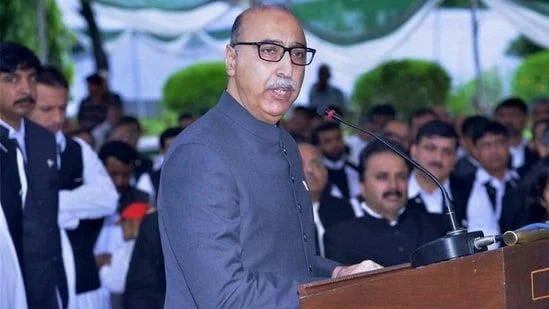
"Suppose a scenario develops where the United States also views our nuclear program negatively or attempts to destroy our nuclear capability. … If we do not have a choice, and the US attacks us."
Basit's remarks have drawn criticism, with some observers labelling them as provocative and irresponsible, potentially exacerbating the already fragile ties between India and Pakistan. The commentary has sparked considerable discussion across various platforms, although official responses from Indian authorities have not been forthcoming. This exchange highlights the ongoing strategic complexities and security considerations within South Asia, where nuclear deterrence and regional instability remain central concerns.
A Climate of Regional Friction
The former diplomat's public declarations coincide with a period of heightened geopolitical activity. Recent intelligence assessments by the US have flagged Pakistan's ballistic missile development, including potential Intercontinental Ballistic Missiles (ICBMs), as a point of concern for American security. This has placed Pakistan's nuclear program under a sharper international lens.
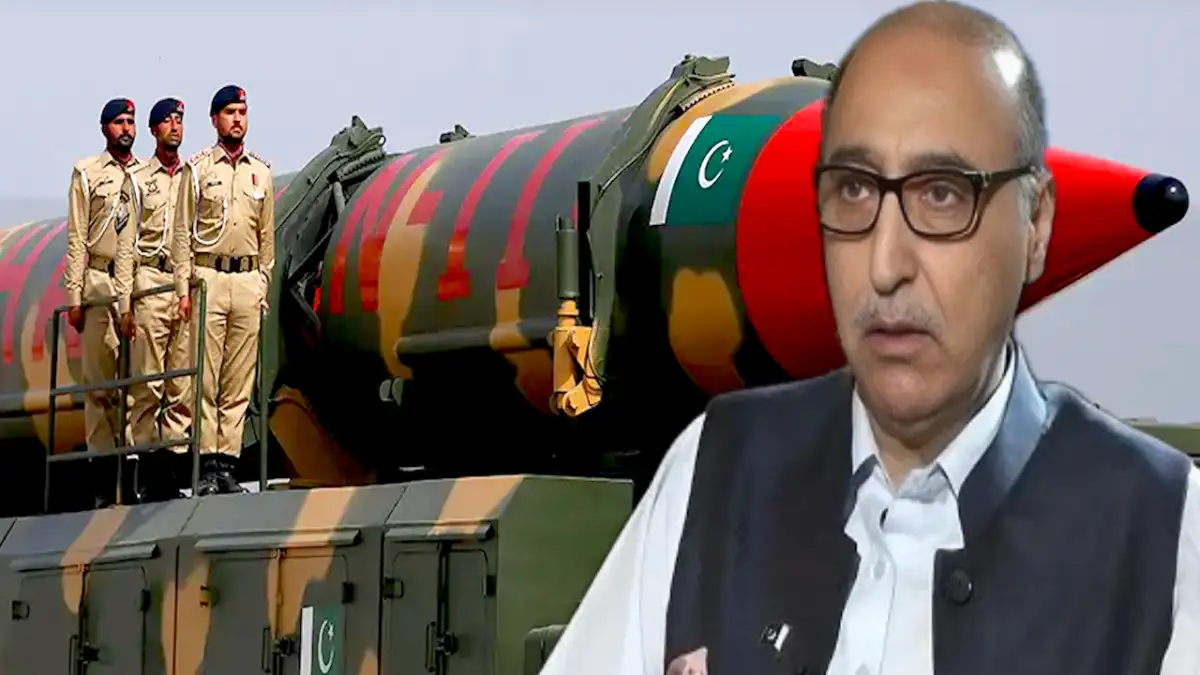
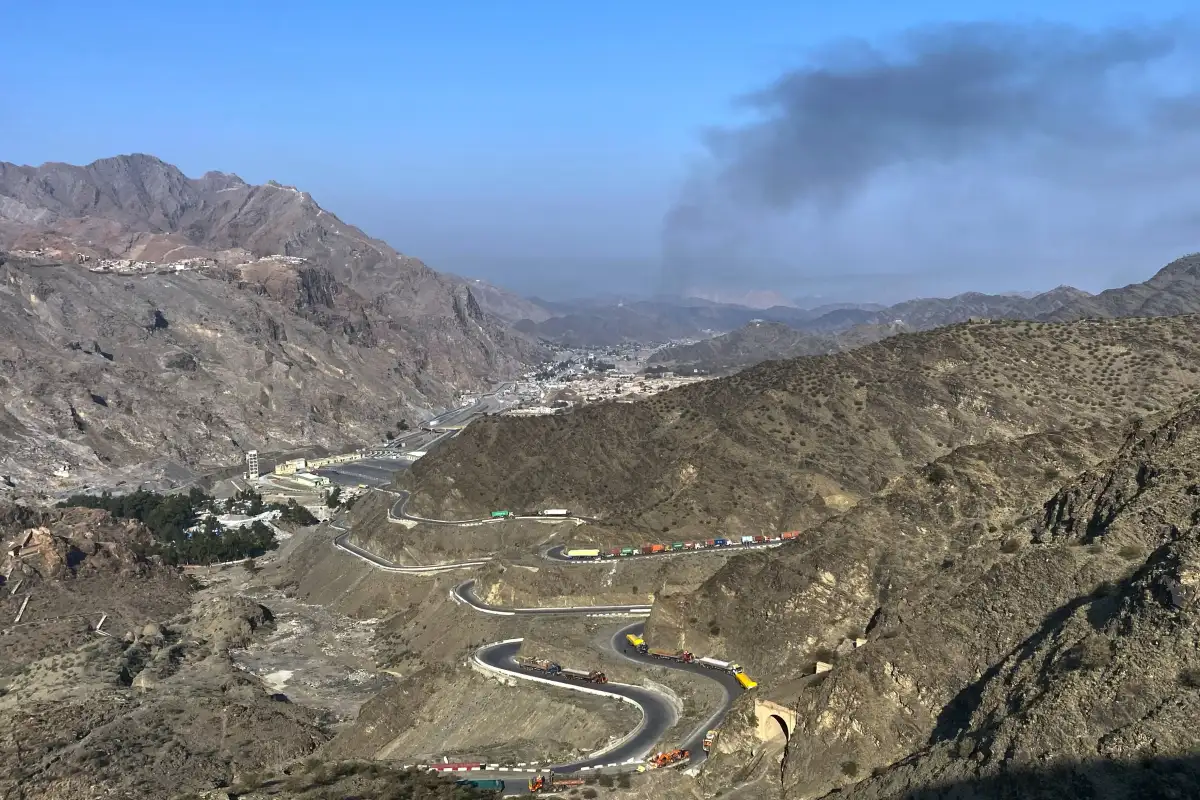
Separately, there have been accusations of Pakistani airstrikes targeting areas within Afghanistan, adding another layer of complexity to the regional security landscape. India, too, has previously undertaken operations targeting alleged terror infrastructure within Pakistan-occupied Kashmir.
Read More: US supports Pakistan border strikes against Taliban as of April 2026
Basit's past tenure as Pakistan's top diplomat in New Delhi, from 2014 to 2017, lends a specific resonance to his recent statements, given his direct engagement in bilateral relations during that period. The narrative suggests that, in a dire hypothetical, India becomes the unintended recipient of retaliation, a point emphasized by the perceived strategic alignment of the US with India over Pakistan.