DEATH OF SUPREME LEADER MARKS ESCALATION; NUCLEAR SITES, INFRASTRUCTURE TARGETED
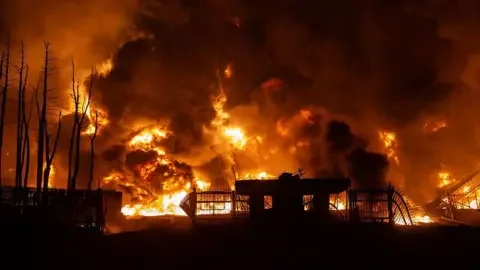
US and Israel forces initiated extensive attacks on Iran on February 28, 2026, a campaign that has claimed the life of Iran's Supreme Leader and struck key aspects of the nation's nuclear program and oil infrastructure.== This multi-pronged offensive, described by US officials as aimed at crippling Iran's ballistic missile capabilities and preventing nuclear proliferation, has dramatically altered the regional landscape.
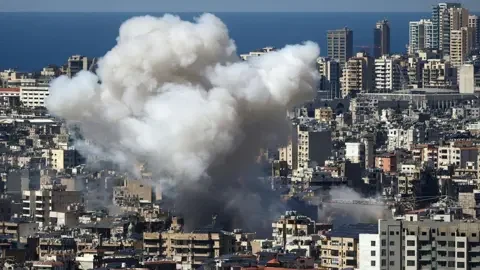
Reports indicate a steady increase in Iranian military casualties, with human rights organizations estimating over 5,300 members of the Iranian military forces killed by mid-March. Intelligence and military sources initially reported around 40 Iranian officials deceased following the initial strikes. An Israeli airstrike on March 9th in Tehran reportedly resulted in 40 to 50 civilian deaths.
Following the death of the Supreme Leader, an Interim Leadership Council was established. On March 8, 2026, Mojtaba Khamenei was reportedly elected to succeed his father. However, decision-making processes within Iran's leadership are described as severely disrupted.
Read More: French Ship CMA CGM Kribi Safely Passes Strait of Hormuz After Diplomatic Talk

DIPLOMATIC EFFORTS FAIL, REGIONAL PROXIES CONSIDER ROLE
Diplomatic channels appear to have yielded little progress. On March 25th, Pakistan delivered a "15-point proposal" for a ceasefire, a plan that Iran rejected. Tehran has outlined its own five conditions for ending hostilities.

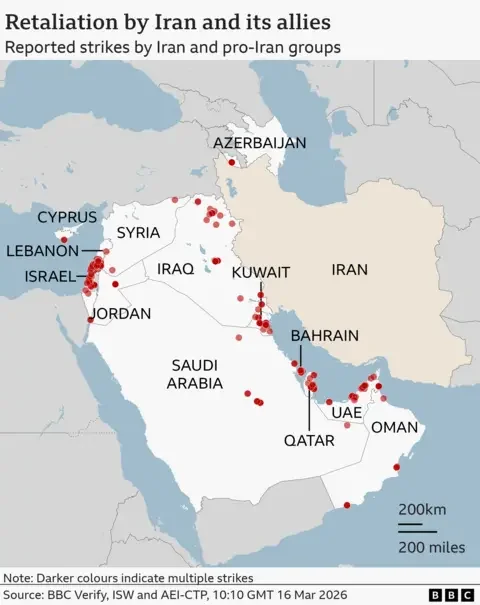
Meanwhile, regional dynamics remain volatile. Hezbollah has indicated a potential intervention if Iran faces an "existential threat." Russia is reportedly providing assistance to Iran's war effort, though specifics remain undisclosed. The conflict has also led to rising global oil prices.
BACKGROUND: A RAPIDLY UNRAVELING SITUATION
The current hostilities stem from a protracted period of escalating tensions, exacerbated by the Trump Administration's withdrawal from the nuclear deal agreed upon during the Obama administration. While the original deal aimed to limit Iran's nuclear ambitions, its collapse and subsequent failed negotiations, coupled with ongoing Israeli actions against Iranian nuclear sites, appear to have paved the way for the current direct military engagement.
Read More: Cuba frees 2,010 prisoners amid US pressure, rights groups want political detainees freed
The justifications provided for the strikes vary, with the US citing the need to counter Iran's ballistic missile program and nuclear ambitions. Israel's motivations are less explicitly detailed, though analyses suggest a strategy of actively provoking escalation and undermining negotiation efforts, potentially to accelerate US global decline.
The conflict has also seen its share of specific incidents:
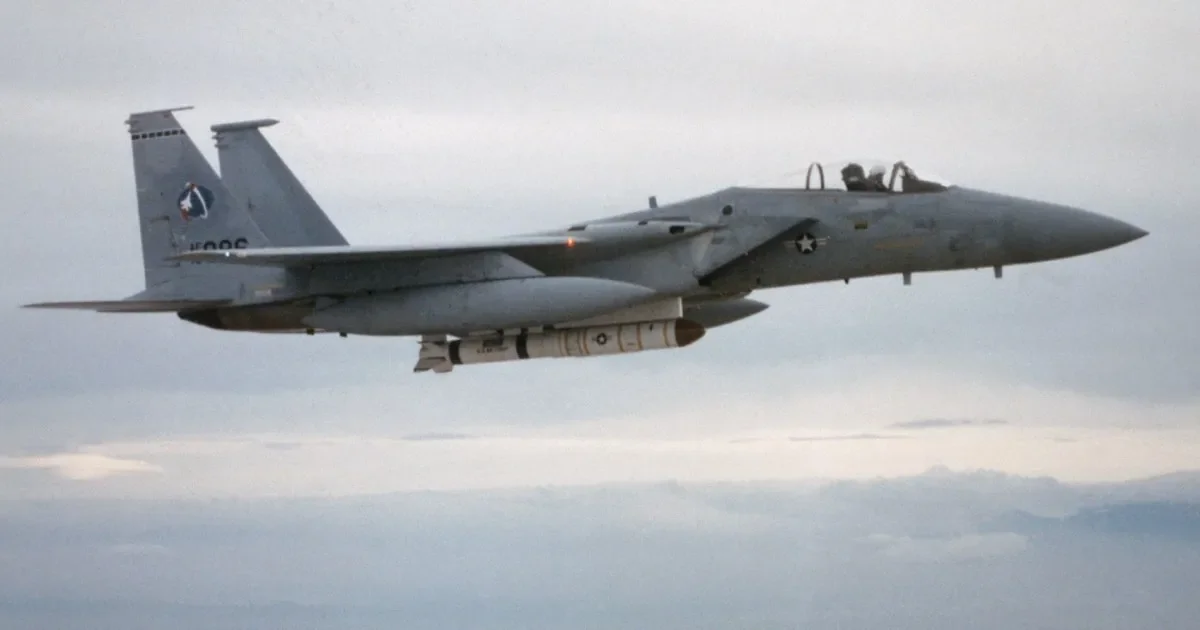
A US F-15 fighter jet was reported shot down over western Iran on April 3rd.
Iran has accused the US of targeting its infrastructure, including water desalination plants in Iran and Bahrain, a claim the US Central Command denies.
A US airstrike on Iran's largest bridge reportedly killed eight people, according to Iranian state media.
The duration of the conflict remains uncertain, with conflicting timelines offered by various US officials. The broader implications for regional stability and global events, including the war in Ukraine, are still unfolding.