HAVANA – Amidst a recent wave of prisoner releases in Cuba, coinciding with increased United States pressure and facilitated by intermediaries like the Vatican, human rights organizations are pushing for clarity on the status of political prisoners and demanding their immediate liberation. The Cuban government, while announcing the freeing of 2,010 individuals in what is described as the largest such release in years, continues to deny holding individuals deemed 'political prisoners'.
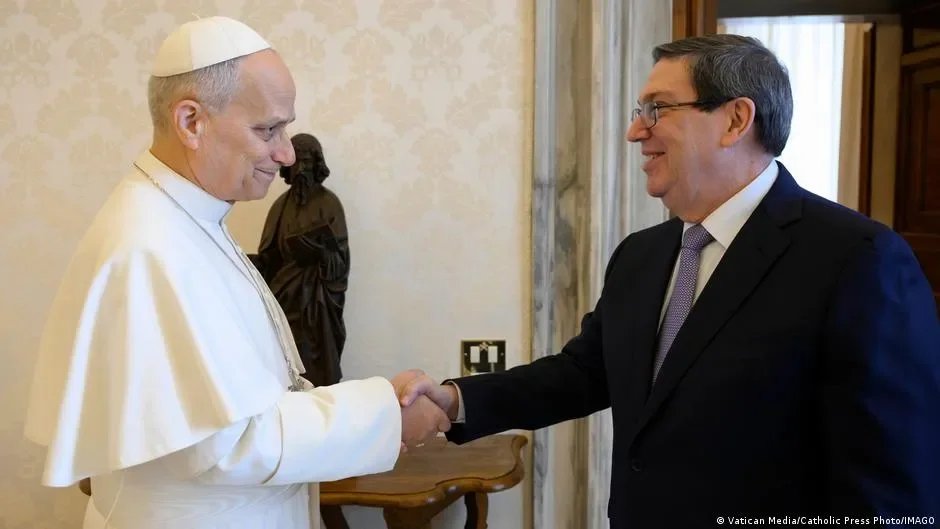
The recent announcements detail significant prisoner releases, with the government stating over 2,000 individuals will be freed, including young people, women, seniors, and foreigners. These releases have occurred periodically, often around significant moments or in response to external dialogues, such as negotiations with the Vatican. However, a persistent demand from rights groups centers on whether these actions extend to those imprisoned for their political views or activism.
Read More: Karoline Leavitt White House Press Secretary Job Unsteady After Criticism

The scale of the latest release, announced as the island grapples with intensified 'US pressure', marks a notable event. The economic climate, exacerbated by US policies, appears to be a backdrop against which these gestures are made. Past releases have been linked to broader diplomatic efforts, including significant prisoner transfers after dialogues with the Vatican, and at times, pauses in releases have been noted following shifts in US administrations or policy.
While families of some released detainees express relief, particularly for those held for non-political offenses, advocacy groups remain critical. Organizations like Amnesty International and the Foundation for Human Rights in Cuba (FHRC) have specifically named individuals, such as Sayli Navarro Álvarez, Félix Navarro, and Maykel Castillo Pérez, asserting they are unjustly detained for political reasons and must be freed. The FHRC has also highlighted the exile of prominent pro-democracy leader José Daniel Ferrer, framing his departure as a consequence of enduring imprisonment and harassment.
Read More: US F-15E Strike Eagle downed over Iran on Friday creates new military and diplomatic risks
Cuba's official stance, as reported, is a denial of the existence of political prisoners. The government has indicated that 10,000 prisoners have been released over the past three years, a figure encompassing a broad spectrum of offenses. These releases have been framed by Havana as gestures of goodwill or as part of regular judicial processes. Yet, the lack of specific identification of offenses for many of those freed fuels ongoing speculation and skepticism from external human rights observers.