Hypothetical Retaliation Scenario Poses Questions
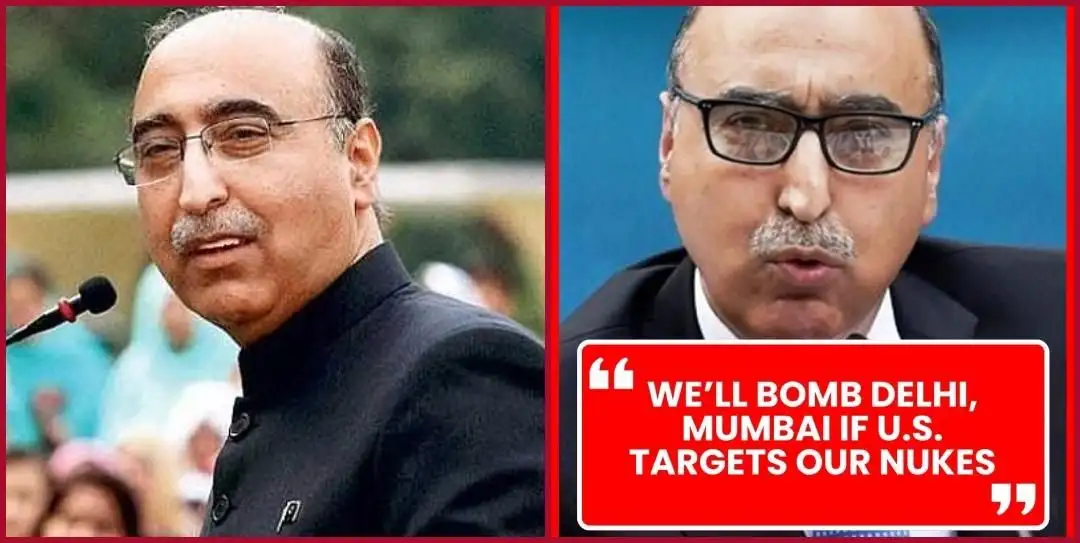
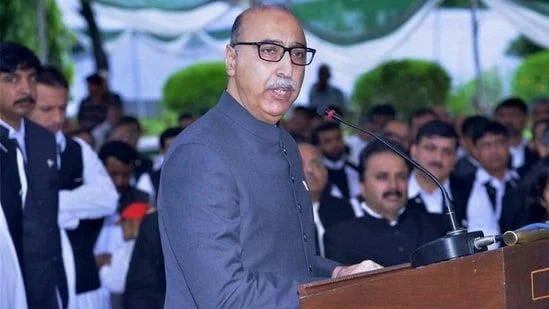
Former Pakistan High Commissioner to India, Abdul Basit, has issued a stark warning: should Pakistan face an attack from the United States, particularly if its nuclear capabilities are targeted, Islamabad would retaliate by striking Indian cities, specifically New Delhi and Mumbai. This assertion, made during a television appearance, posits that even if Pakistan's missiles lack the range to reach US bases in the Gulf or strike Israel directly, attacking Indian urban centers would be the recourse. Basit framed this as a "worst-case scenario" and acknowledged its theoretical nature, even describing it as "out of the impossibility," while simultaneously stressing Pakistan's capability to defend itself.

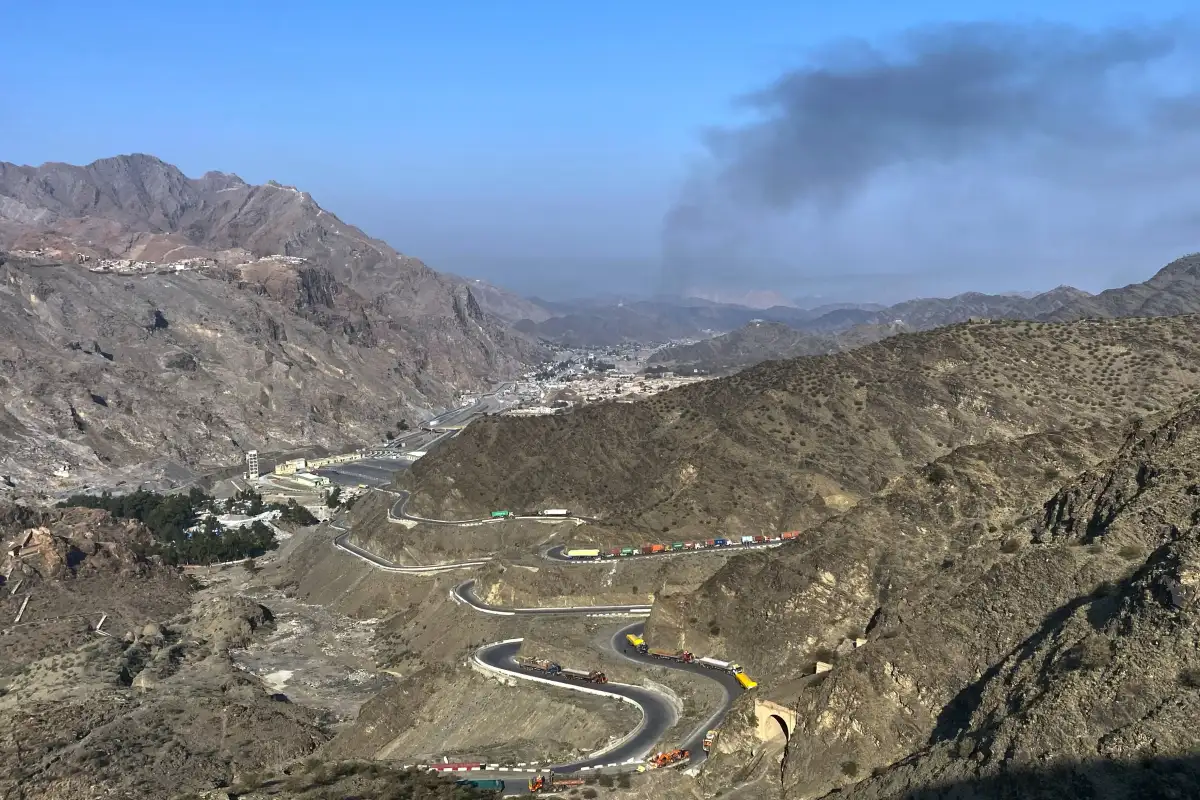
The comments, though presented as a hypothetical contingency, have ignited widespread discussion and drawn criticism. Basit's past diplomatic role, directly engaging with India, lends a certain weight to his pronouncements, particularly in the current climate of elevated geopolitical tensions. The remarks come amidst heightened regional instability, including strained Pakistan-Afghanistan relations where Afghan authorities have accused Pakistani forces of airstrikes in several areas, and the ongoing volatile situation involving Iran, the US, and Israel.
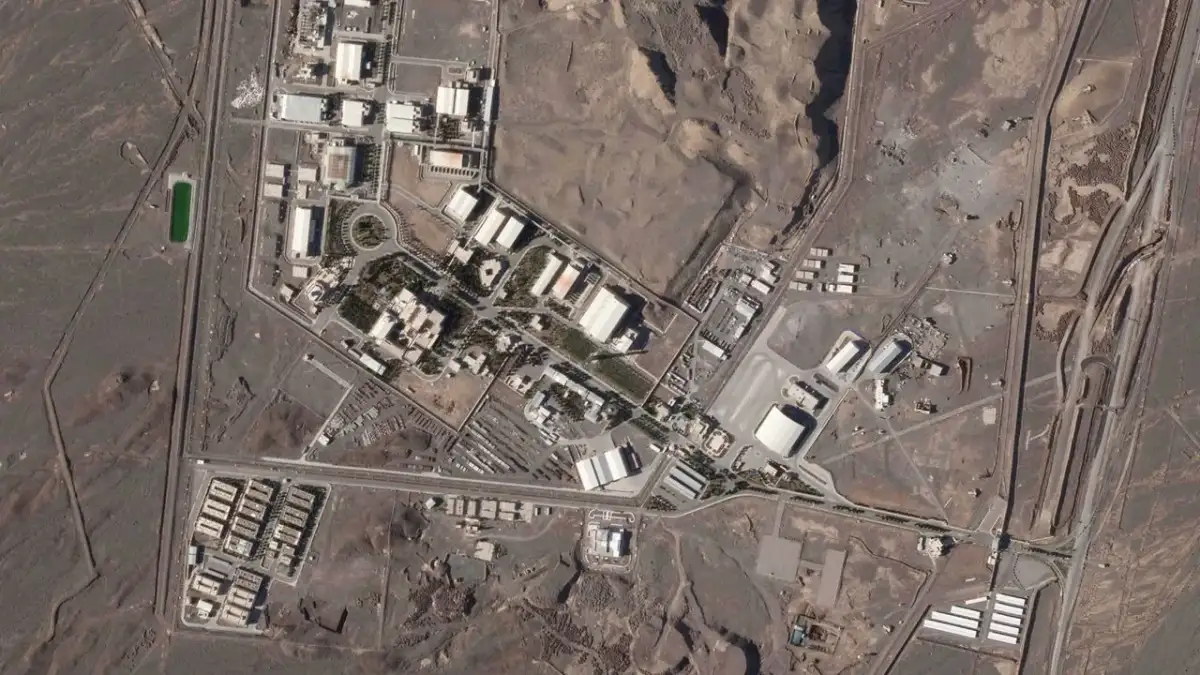
Read More: Iran Zagros Mountain Nuclear Site Construction Update April 2026
Context and Reactions
Basit's statements were reportedly a response to remarks by US Director of National Intelligence, Tulsi Gabbard, who flagged Pakistan's long-range ballistic missile program. Basit, however, suggested that Pakistan's missile deterrence is primarily "India-specific" and lacks intercontinental reach, while noting the US views India as a strategic partner. He implied that India, unlike Gulf states, does not host US military bases, which he suggested made the hypothetical retaliatory strike on Indian cities a more accessible, albeit reckless, option.

While India has not issued an official response, the statements have been widely circulated on various platforms. Notably, some Pakistani netizens have reportedly flayed Basit's remarks, with some characterizing them as detrimental to Pakistan's diplomatic standing and even "suicidal" for its foreign policy.
Read More: US supports Pakistan border strikes against Taliban as of April 2026
Background and Geopolitical Undercurrents
The pronouncements emerge at a time when international scrutiny of Pakistan's nuclear arsenal has intensified. Basit's tenure as High Commissioner in India was marked by direct engagement in bilateral relations, a period that adds a layer of significance to his current public statements. The remarks also intersect with a broader regional context, including India's recent operations targeting alleged terror infrastructure and ongoing diplomatic friction with neighboring Afghanistan. Basit's prior association with sensitive diplomatic roles underscores the impact such pronouncements can have, regardless of their hypothetical framing.