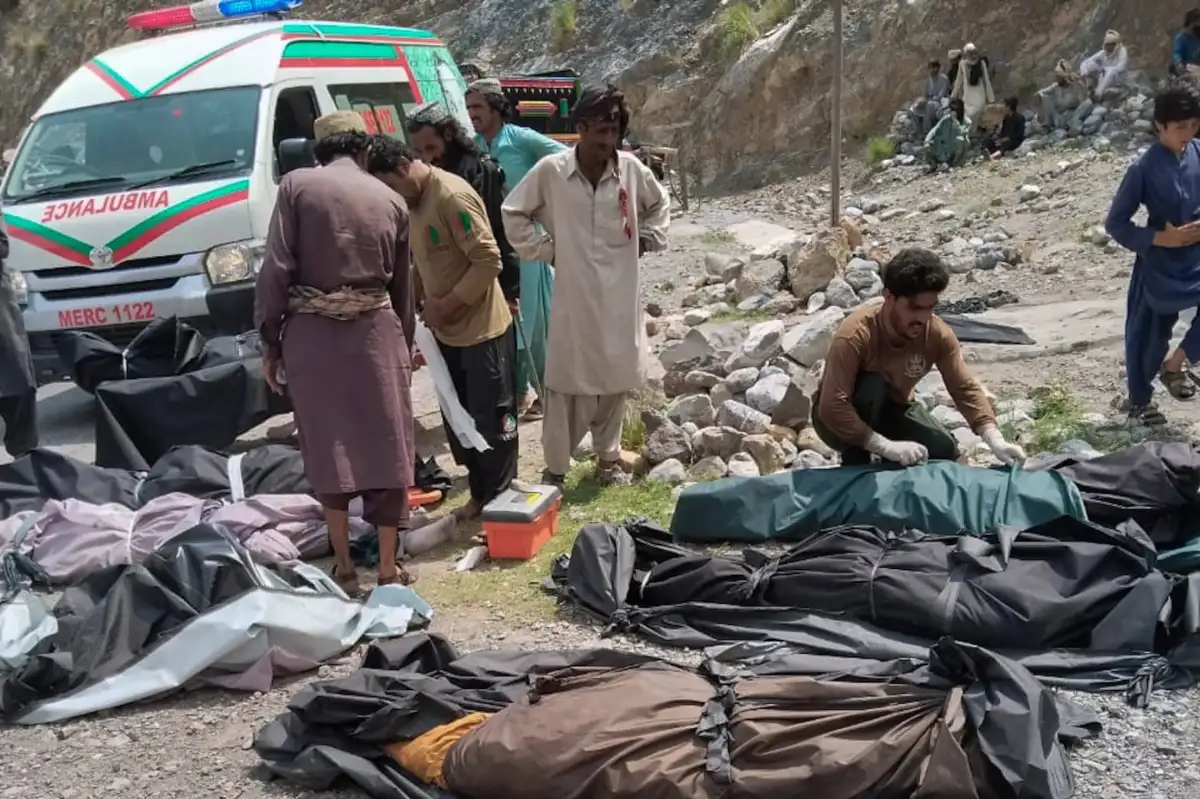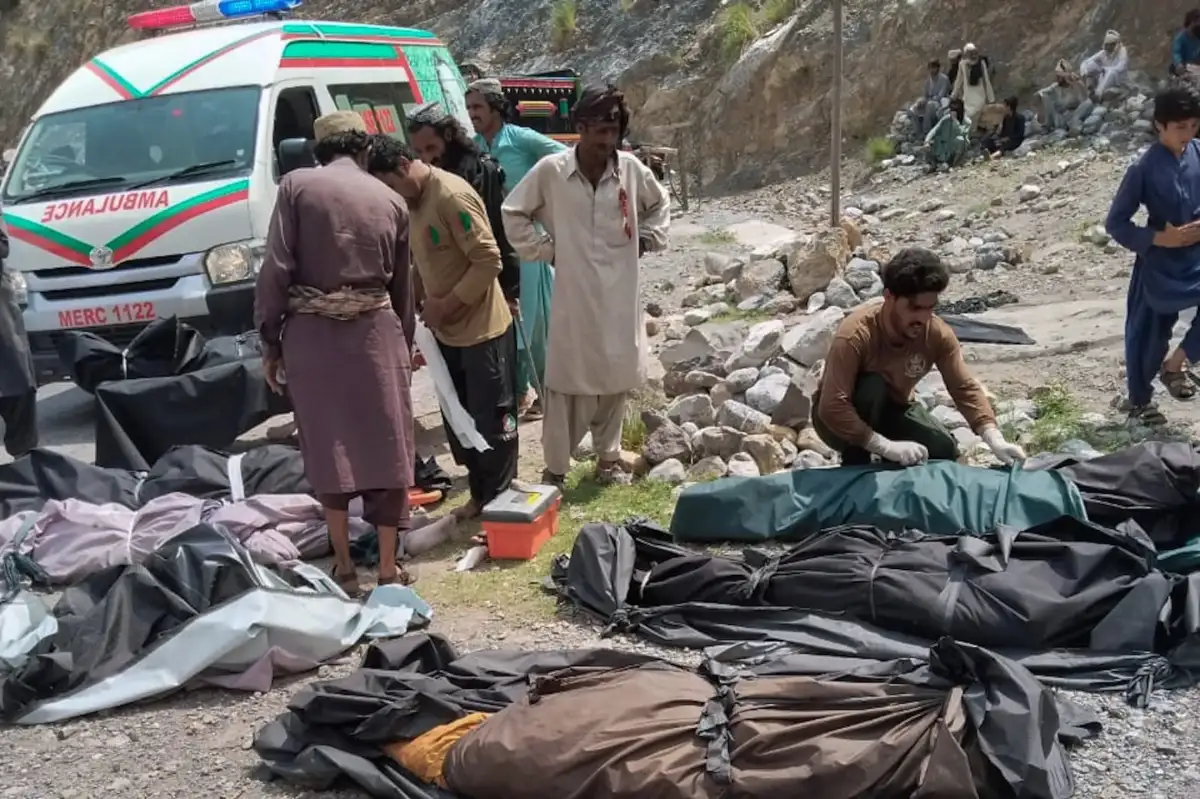
For the first time, Pakistan occupies the top position on the Global Terrorism Index (GTI). Data for 2025 reveals a deterioration in security, marked by 1,139 deaths and 1,045 recorded incidents. This represents a six percent rise in fatalities, reaching levels not seen since 2013.
The escalation is geographically concentrated, with Khyber Pakhtunkhwa and Balochistan provinces accounting for 74% of all attacks and 67% of nationwide deaths. The Tehrik-e-Taliban Pakistan (TTP) has solidified its status as the primary internal threat, identified as the third deadliest group globally and responsible for 56% of the country's terror-related fatalities.
Statistical Breakdown of the Crisis
| Metric | Value |
|---|---|
| GTI Score | 8.574 |
| Annual Deaths | 1,139 |
| Reported Incidents | 1,045 |
| Primary Conflict Zone | KP & Balochistan |
Geopolitical Friction and Border Dynamics
The surge in violence is inseparable from the porous western border and the cooling of relations with the current administration in Afghanistan.
Cross-border spillover: Analysts point to a failure of state-level containment as militant groups leverage the limited administrative reach in border regions to stage operations.
Mutual accusations: The breakdown in diplomatic cohesion has resulted in a cycle of rhetoric and kinetic engagement, including reports of Pakistani airstrikes within Afghan territory targeting suspected militant hideouts.
Tactical shifts: The rise in hostage-taking, notably the Jaffar Express incident, has contributed to a spike in severity indices, pushing the country’s weighted score to the top of the 163-nation list.
Background and Structural Context
The GTI, which aggregates data on incidents, fatalities, injuries, and hostages over a five-year window, presents this shift as a consequence of long-term policy trajectories. While global terrorism trends showed a general decline of 28% in other regions, Pakistan serves as a stark counter-narrative, marking its sixth consecutive year of rising death tolls.
Read More: Secret Service Promotions After Butler Attack Criticized by Congress
The broader international context provides a fragmented picture of stability: while the Islamic State (IS) remains the world’s deadliest network—responsible for nearly 17% of global attacks—the TTP is the only major actor among the top four deadliest groups that has managed to increase its operational tempo over the past year.
This ranking serves as a ledger of failed containment, documenting how internal radicalization intersects with the destabilizing vacuum left by shifting regional power dynamics. As state infrastructures strain under these recurring shocks, the index suggests that the current instability is less of an anomaly and more the outcome of years of accumulated friction.