Islamabad has firmly refuted claims that it provided the United States with information concerning Iran's nuclear program. The denial comes in the wake of reports suggesting such a meeting took place, though specific details remain scarce. The Pakistani government maintains a stance of non-disclosure regarding any discussions or information sharing related to Iran's nuclear activities with U.S. officials.

The official Pakistani response seeks to draw a clear line, emphasizing its commitment to its own foreign policy and national interests. The country's official position, as communicated, aims to preclude any misinterpretation or speculation regarding its involvement in sensitive international nuclear matters.
Regional Dynamics and Security Concerns
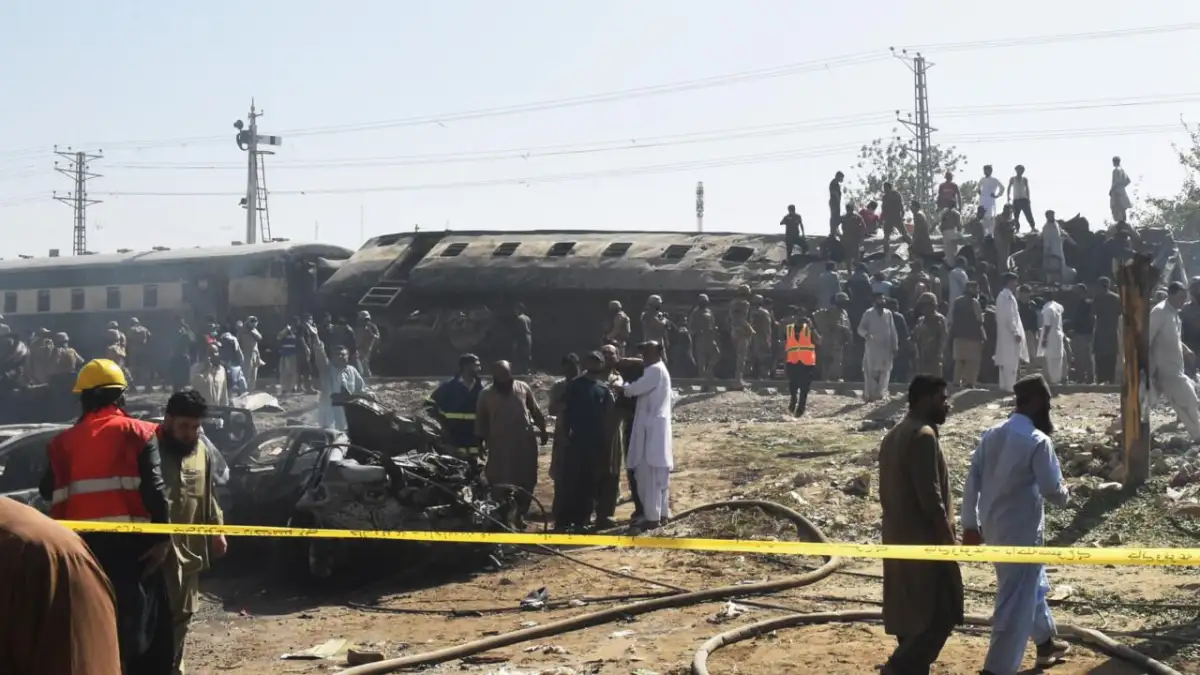
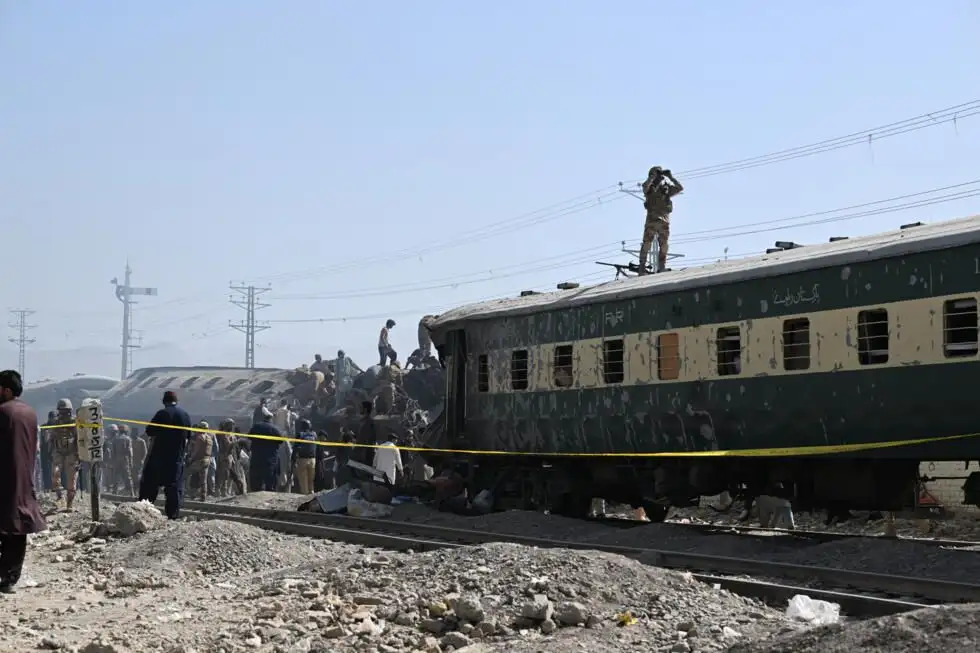
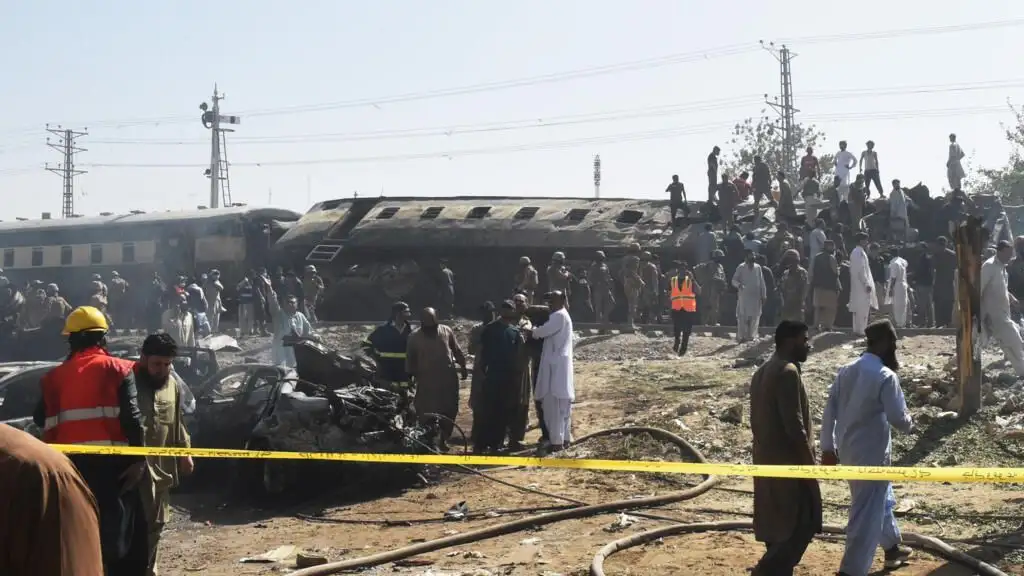
This assertion from Pakistan arrives amid a complex geopolitical landscape. The province of Balochistan, bordering Iran, has recently seen a surge in violence. In May 2026, a bomb attack targeted a train carrying military personnel in Balochistan, killing at least 24 people. This incident was claimed by separatist militants. Balochistan is Pakistan's largest and poorest province, rich in minerals, and shares borders with Iran and Afghanistan. These security issues in the region add another layer to Pakistan's internal and external policy considerations.
Read More: Taiwan Holds Nantou County Drills to Prepare for State Collapse
Pakistan itself faces ongoing internal security challenges, grappling with militant groups like the Tehrik-e-Taliban Pakistan (TTP). The nation’s security apparatus is also involved in various peacekeeping missions, with substantial troop contributions to UN operations.
Pakistan's International Standing and Economic Factors
Pakistan is a member of the Shanghai Cooperation Organisation and maintains diplomatic relations with numerous countries, represented by its embassies in various capitals, including Washington D.C. The nation’s economy, described as a lower middle-income South Asian economy, faces significant hurdles. These include extremely high debt, endemic corruption, and regional disputes that hinder investment. However, recent trends indicate falling inflation, IMF relief programs, and strong agricultural output contributing to a slow economic recovery.
Geographically, Pakistan occupies a strategic position at the western end of the Indo-Gangetic Plain, bordered by India, Iran, Afghanistan, and China. Its cultural landscape is diverse, with significant historical sites like Mohenjo-daro and architectural marvels such as the Badshahi and Faisal Mosques. The country also faces environmental challenges, including water pollution and limited freshwater resources.
Read More: AFP Reviews War Crime Claims Against Australian in Gaza