Cross-Border Strikes Triggered by Militant Activity, Kabul Denies Harboring Groups
Pakistan has conducted airstrikes targeting militant camps within Afghanistan, a move signaling a significant escalation in its response to cross-border attacks. These operations, which have resulted in civilian casualties, including women and children, come after repeated accusations by Islamabad that Kabul harbors the Tehrik-e-Taliban Pakistan (TTP) and its affiliates. Afghanistan, under Taliban rule, has consistently denied these allegations and, in turn, accused Pakistan of harboring groups hostile to its interests.
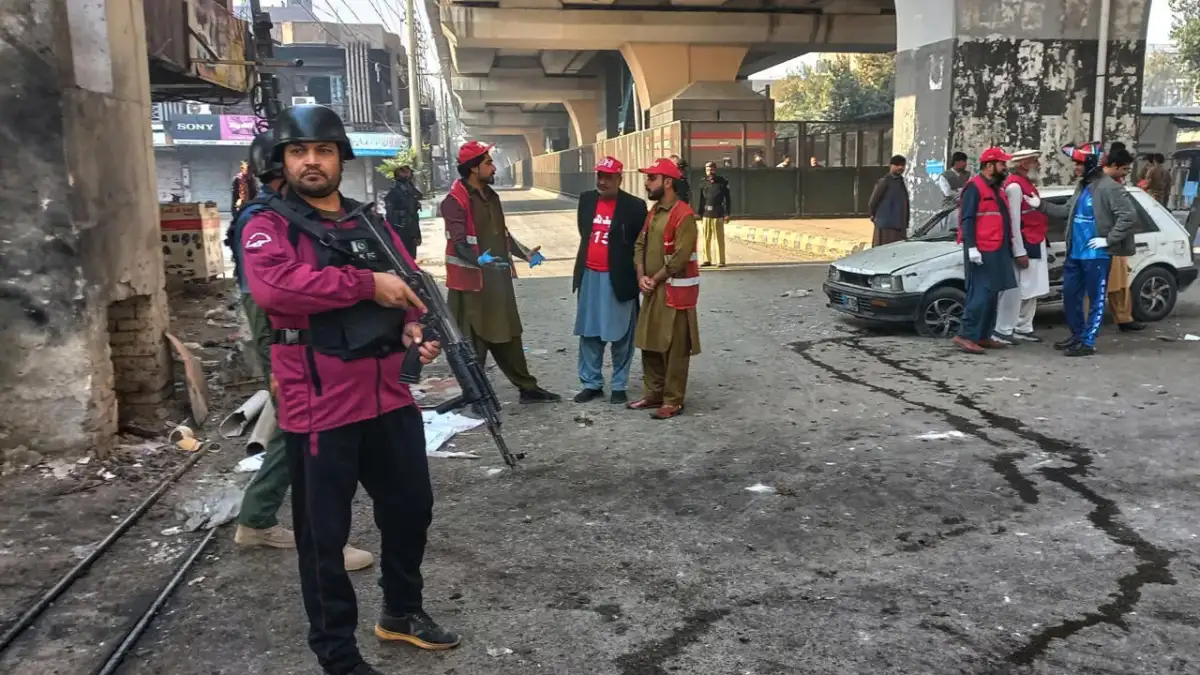
The most recent engagements involved Pakistan launching airstrikes on Afghan soil in February 2026, targeting alleged militant safe havens. This was followed by Afghan retaliatory actions and reports of clashes along the shared border. Previous incidents in October and November 2025 saw Pakistan issue stark warnings of direct strikes on Afghan territory following attacks within Pakistan, including in Peshawar, Islamabad, and South Waziristan. These warnings coincided with Pakistan’s acknowledgment of carrying out targeted strikes against TTP posts and command nodes.
Read More: AFP Reviews War Crime Claims Against Australian in Gaza
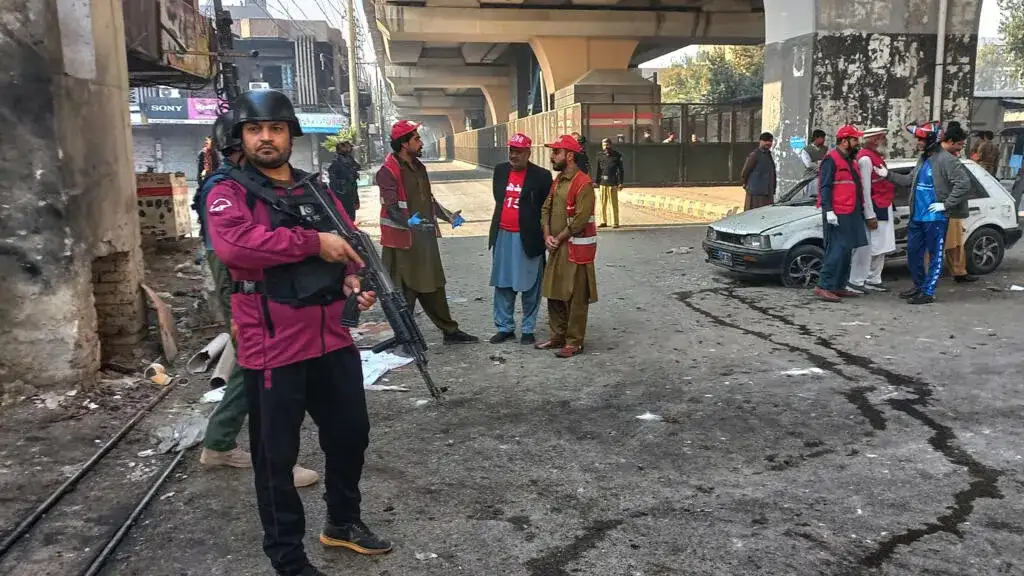
Shifting Rules of Engagement and Diplomatic Friction
Pakistan's stance appears to mark a shift in its "rules of engagement," with official military statements indicating a readiness to conduct direct strikes on Afghan soil should further terrorist attacks originate from there. The Inter-Services Public Relations (ISPR) has detailed targeted strikes against what it identified as "safe havens" for groups attacking Pakistan. While Pakistan has engaged in cross-border strikes before, the frequency and the explicit nature of the warnings suggest a more assertive approach.

The incidents have led to diplomatic friction, with the Afghan Taliban accusing Pakistan of violating its sovereignty. Clashes have been confirmed in several provinces along the Pakistan-Afghanistan border, including Kunar, Nangarhar, Paktia, and Khost. Senior Afghan officials have pointed fingers at Pakistan, while Islamabad has urged Kabul to cease harboring TTP fighters.
Read More: Secret Service Promotions After Butler Attack Criticized by Congress
Pakistani Denials and Accusations
Amidst the heightened tensions, Pakistan has also issued denials regarding specific incidents. In November 2025, Pakistan denied carrying out airstrikes that reportedly killed at least 10 civilians, mostly children, according to the Taliban government. This denial came in the wake of a significant suicide blast in Peshawar, which intensified border tensions.
Adding another layer to the complex regional dynamics, Pakistan's Prime Minister Shehbaz Sharif has also pointed fingers at India, attributing some of the recent attacks within Pakistan to external forces. This accusation comes despite Pakistan’s own stated actions against TTP militants operating from Afghan soil.
Background: A Persistent Shadow of Terrorism
The recurring border skirmishes and retaliatory actions are deeply rooted in the long-standing issue of militancy. The TTP, a group distinct from but allied with the Afghan Taliban, has been a persistent security concern for Pakistan, carrying out numerous attacks within its territory. Pakistan’s strategy has long been centered on pressuring Afghanistan to crack down on these groups, a demand that has consistently met with denial and counter-accusations from Kabul. The fragile peace between the two nations remains under severe strain as both sides navigate a complex web of security concerns and mutual distrust.
Read More: Indus Waters Treaty remains suspended in India and Pakistan April 2026