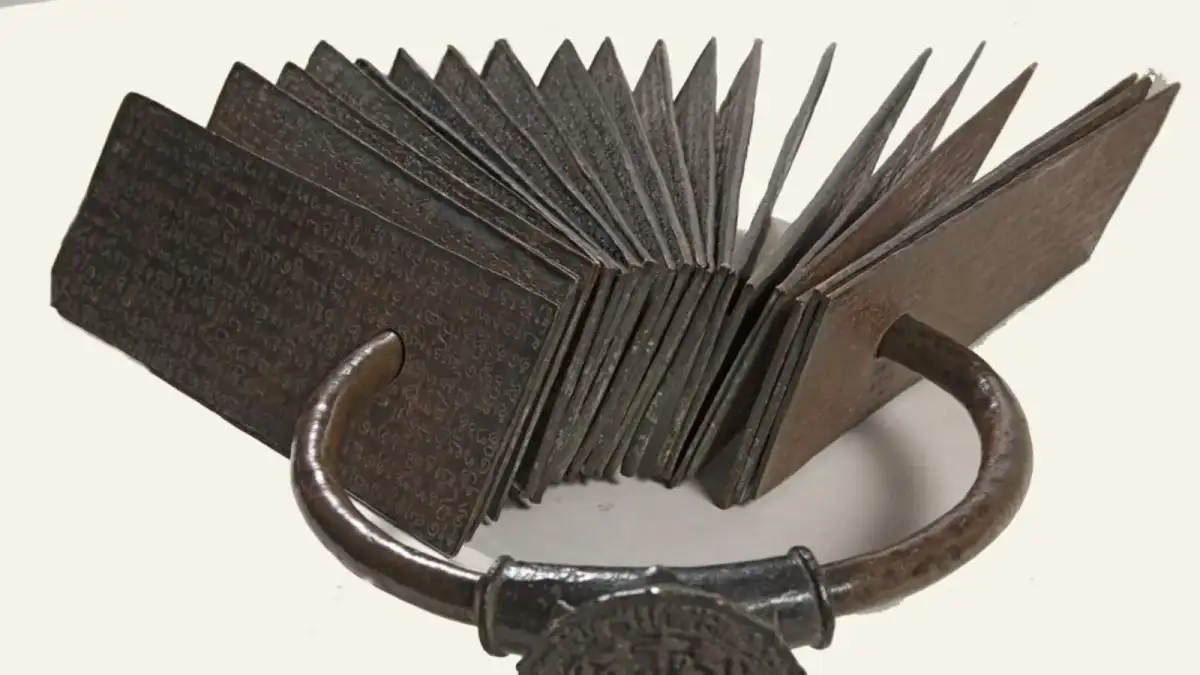
The Anaimangalam Copper Plates, significant historical artifacts from the Chola era, have been formally returned to India by Leiden University in the Netherlands. The transfer, occurring after a diplomatic process spanning years, marks a notable moment in the restitution of cultural heritage. These plates, also referred to as the Leiden Plates, had been in the university's possession since the 19th century.

Official Transfer and Future Custody
The official handover of the Anaimangalam Copper Plates to India took place on a date following May 16, 2026. The artifacts are slated to be housed at the Archaeological Survey of India (ASI) in New Delhi. While a precise date for the official transfer to the ASI was not detailed, Leiden University stated its full cooperation in the repatriation process.
Historical Context and Provenance
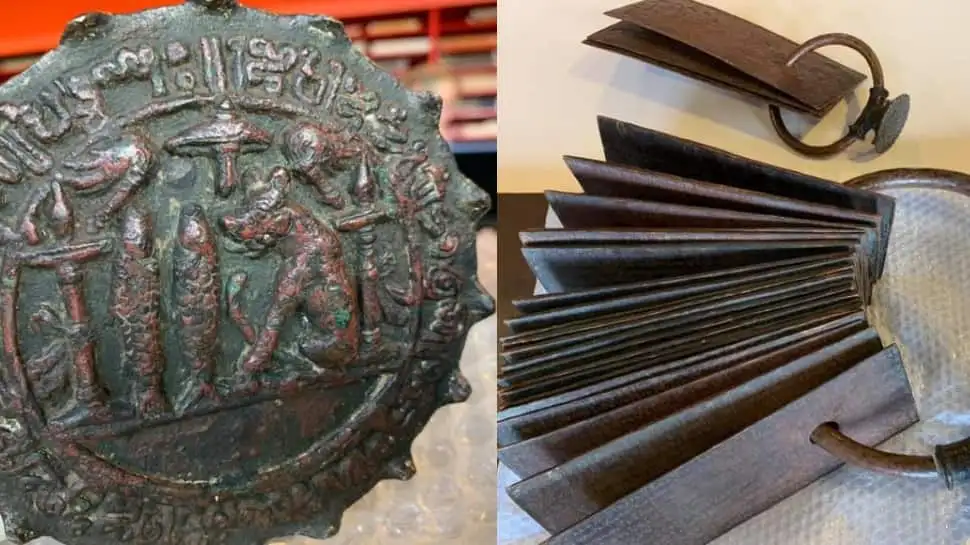
A committee established by Leiden University determined that the Chola Plates left their original region without the consent of the owners or rights holders at the time. This finding led to the university's advisory council recommending an unconditional return. The plates, weighing approximately 30 kg in total, are considered vital primary sources for understanding Chola administration, economy, genealogy, and international relations.
Read More: St. Augustine's ideas on justice help explain US politics

"The committee has determined that the Chola Plates left the area without the consent of the owners or rights holders at the time. It therefore advises the university to unconditionally return both sets of Chola Plates to India." - Leiden University News
The inscriptions on the plates are bilingual, with initial texts in Sanskrit detailing the Chola rulers' genealogy and connections to mythological figures. The majority of the inscriptions are in Tamil, documenting administrative matters and grants. Specifically, the plates record the donation of the village of Anaimangalam, near Nagapattinam in Tamil Nadu, and surrounding lands to the Chulamanivarma Vihara, a Buddhist monastery, during the 21st regnal year of Rajaraja Chola I. His son, Rajendra Chola I, later had this grant inscribed on copper plates for permanent preservation.
Read More: AFP Reviews War Crime Claims Against Australian in Gaza
Diplomatic Endeavor and Broader Debate
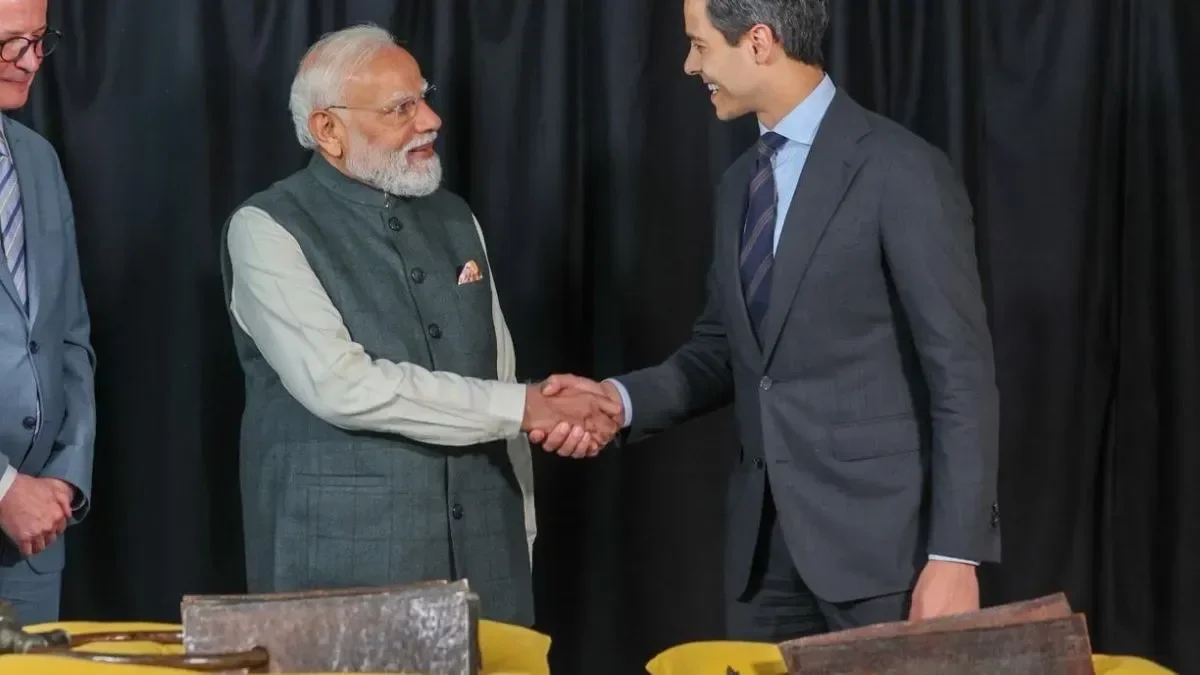
The return coincided with Prime Minister Narendra Modi's visit to the Netherlands, highlighting the diplomatic efforts involved. Finance Minister Nirmala Sitharaman acknowledged these efforts, referring to the plates as a "precious record of the great Chola kings Rajaraja and his successor Rajendra Chola." The restitution is seen as carrying significant emotional and civilisational weight for India.
"You have relentlessly taken efforts to bring back valuable antiques." - Nirmala Sitharaman
This repatriation is expected to contribute to a wider global discussion on the ownership, access, and interpretation of artifacts that were moved during the colonial period. The Netherlands has in recent years engaged in similar returns of colonial-era objects to countries like Sri Lanka, Indonesia, Nigeria, and Egypt. The Anaimangalam Copper Plates' journey, which kept them overseas for over 160 years, exemplifies the broader narrative of cultural property extraction during colonial rule. The plates were reportedly taken to the Netherlands during the Dutch colonial period on the Coromandel Coast in the 18th century, eventually reaching Leiden University in 1862.
Read More: The Plot Against America Miniseries Discussed in April 2026