The Zoologist Who Drew Humanity's Unflattering Portrait Dies
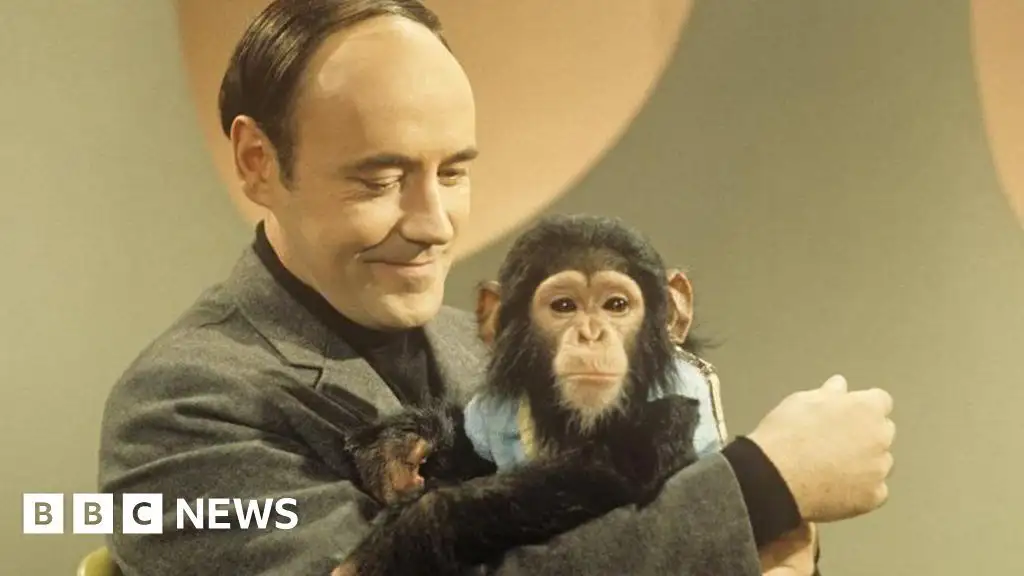
Desmond Morris, the zoologist and writer whose 1967 book The Naked Ape ignited global conversations and considerable controversy, has died at the age of 98. His work, often described as redefining human evolution and behavior, positioned humanity not as a pinnacle of creation, but as a fundamentally driven animal subject to the same primal urges as any other. Morris's perspective, grounded in his observations as a curator of mammals at London Zoo, treated human sexual, parental, and social patterns through a zoological lens, a stance that proved as polarizing as it was influential.

Morris's The Naked Ape, written in a frenetic four weeks, became a touchstone, selling widely but also drawing accusations of misogyny due to its frank, zoological approach to male sexual behavior. This unflattering, yet widely read, examination of our species established him as a figure who challenged conventional thinking about what it means to be human. Even critics, however, have acknowledged his role in broadening public engagement with evolutionary theory and behavioral science.
Read More: Victor Willis of Village People Dies at 74
A Maverick's Journey From Art to Anthropology
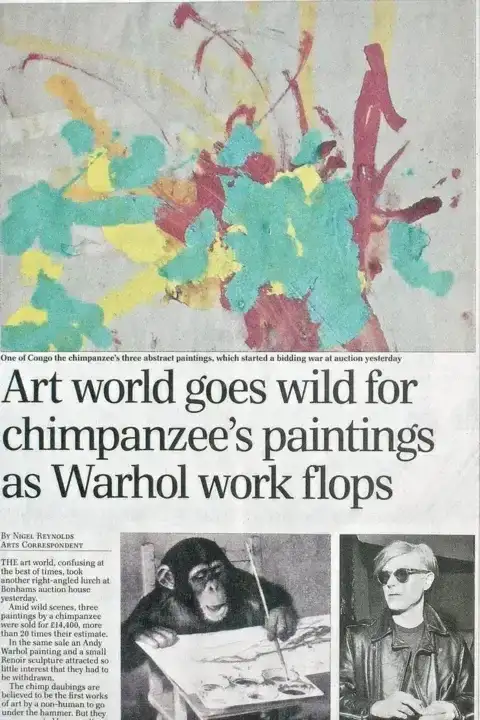
Morris's trajectory was not a straight line from science. His early ambitions centered on modern art, with early biographical notes suggesting he was a "maverick artist" before fully embracing zoology. His artistic experiments, demonstrating that artistic expression was not exclusively human, were a precursor to his later, more widely recognized scientific pursuits.
His exploration of human behavior extended to societal structures. Morris posited that gender differences, though hard-wired, were distorted by urbanization. He argued that modern society had amplified competitive traits, drawing parallels between the cutthroat nature of business and the evolutionary pressures of prehistoric hunting grounds.
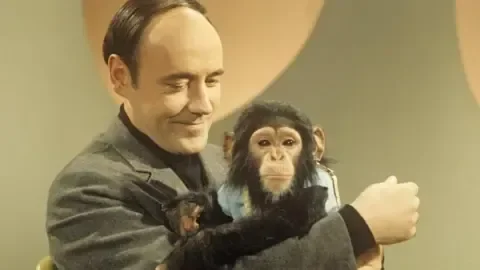
Television's Familiar Face, Zoologist's Unseen Impact
Alongside contemporaries like David Attenborough, Morris utilized the nascent medium of television to bring zoology into homes. This accessibility, however, did not always temper the controversial nature of his ideas. While The Naked Ape sold well, none of his subsequent books achieved the same profound, and often debated, impact.
Read More: Indigenous Data Rights Now Key in Conservation Genomics
His personal life saw him return to Oxford as a research fellow after the success of his book, a period where he also travelled extensively applying his unique methodologies. The influence of his own lineage, possibly tracing back to a naturalist great-grandfather, has been noted, though the direct impact remains a subject of interpretation. Morris's career, therefore, was a testament to a singular, often unconventional, approach to understanding the animal within.