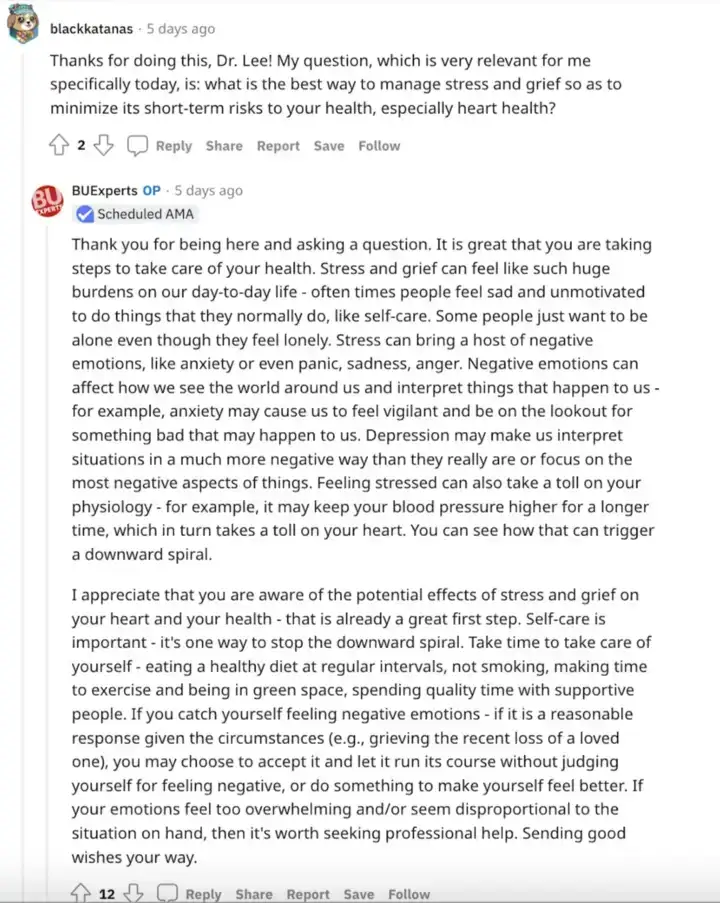
The simple act of viewing the world through a brighter lens appears to be connected to living longer lives. Recent analyses, spanning diverse groups and considerable timeframes, suggest a significant correlation between elevated optimism and a lengthened lifespan. This association is not merely superficial; it persists even when accounting for common factors that influence health outcomes.
More Than Just a Smile
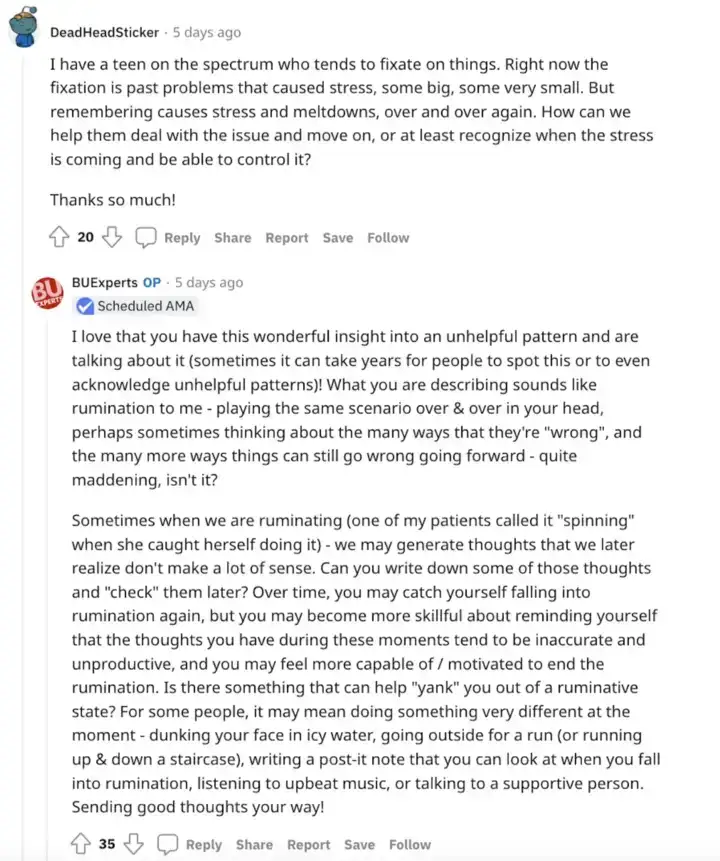
Studies show that individuals with higher levels of optimism are more likely to outlive those with a more downbeat outlook. This link holds across different racial and ethnic backgrounds, suggesting a universal resonance. Specifically, research has indicated that for women, optimism correlates with a longer existence, and for older men, it is tied to improved emotional well-being. The phenomenon extends to reaching "exceptional longevity," defined as living beyond 85 or even 90 years.
Biological Undercurrents and Cultivated Attitudes
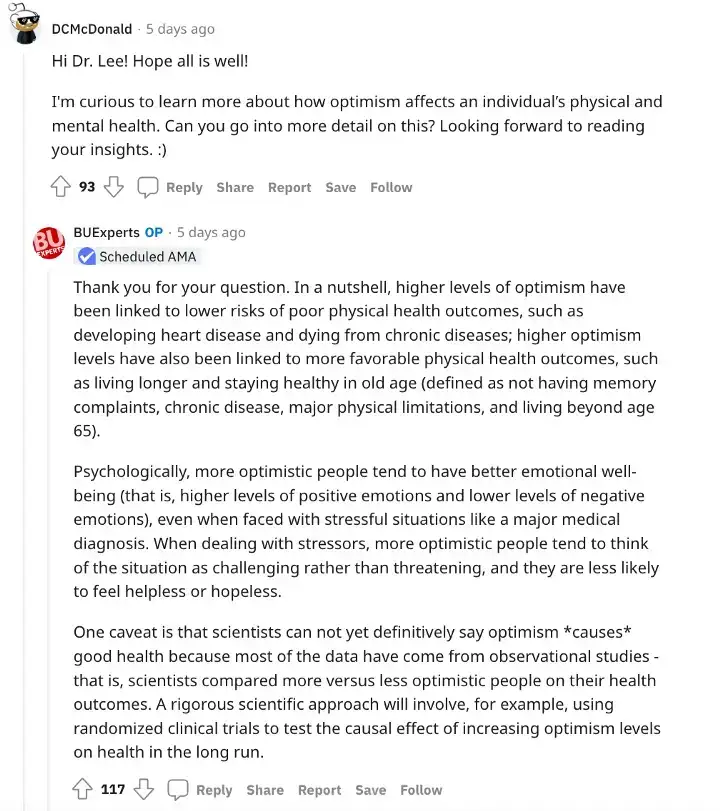
The connection between optimism and a protracted life is not solely rooted in psychological disposition. There's evidence pointing to biological mechanisms, such as the potential association between pessimism and shorter telomeres, the protective caps on our chromosomes. This suggests that our outlook might have tangible, physical implications.
Read More: Rob James Claims Hair Loss Reversed With Daily Routine, Others Use Minoxidil
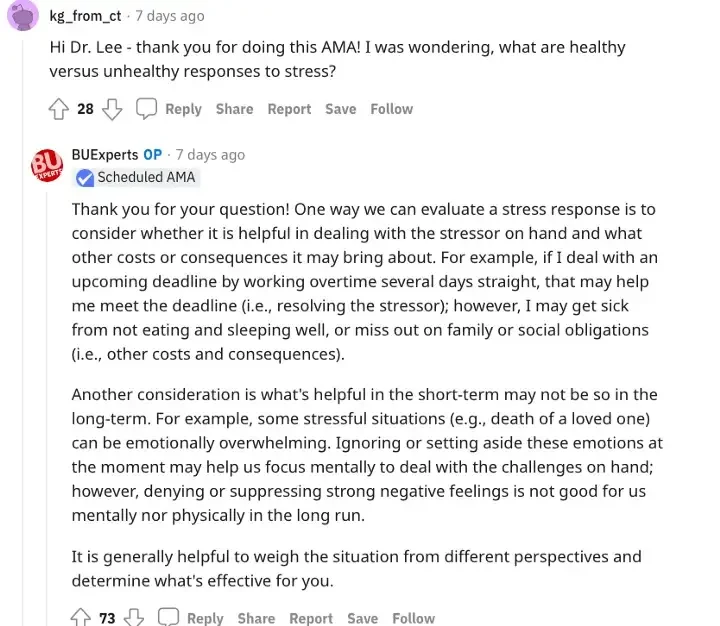
Furthermore, the notion that optimism is an unshakeable personality trait is being challenged. It is increasingly understood that optimism is not fixed. Like a muscle, it can be actively strengthened through practices such as cultivating gratitude and focusing on positive experiences. This implies that pessimism, too, is not an insurmountable barrier to longevity, but rather a state that can be consciously shifted.
Beyond Healthy Habits
While it might seem intuitive that optimists simply engage in healthier behaviors – such as exercising more or eating well – these lifestyle choices account for only a fraction of the observed link between optimism and longevity. Less than a quarter of the association can be explained by these observable actions, implying that other, less obvious factors are at play. This suggests that optimism might influence health through pathways that are not yet fully understood, potentially impacting stress responses, immune function, or other biological processes.
Read More: HKUST Scientists Discover How DICER Enzyme Cuts RNA With High Precision in 2024
The Wider Net of Well-being
The benefits of an optimistic outlook extend beyond just extending years. It is also associated with enhanced cognitive health and reduced anxiety. A more positive mindset seems to correlate with greater engagement in life and a more robust approach to well-being, which in turn could contribute to a longer, healthier existence.
Historical Context and Evolving Understandings
The idea that a positive outlook could influence one's fate is not entirely new, but recent scientific endeavors are lending empirical weight to these notions. Early research, and more recent comprehensive studies, have consistently identified this connection. For instance, analyses of large, long-term cohorts have repeatedly demonstrated that higher optimism levels are linked to a longer life span. The current body of work, published in journals such as the Journal of the American Geriatrics Society and PNAS, builds upon this existing foundation, providing further data and nuance to the relationship.
Read More: New Savory Breakfast Trend Helps People Feel Fuller Longer
These findings encourage a reframing of how individuals perceive the choices that shape their health and aging processes. The focus is shifting, in part, towards the impact of psychological factors, such as optimism, as potential avenues for promoting healthier aging across diverse populations.




.jpg)