Self-styled 'hair reversal' techniques are being peddled online, promising to undo hair loss through a mix of often demanding, sometimes obscure, routines. One widely circulated account from Rob James details a personal journey of reversing his own thinning hair, which began around age 25.
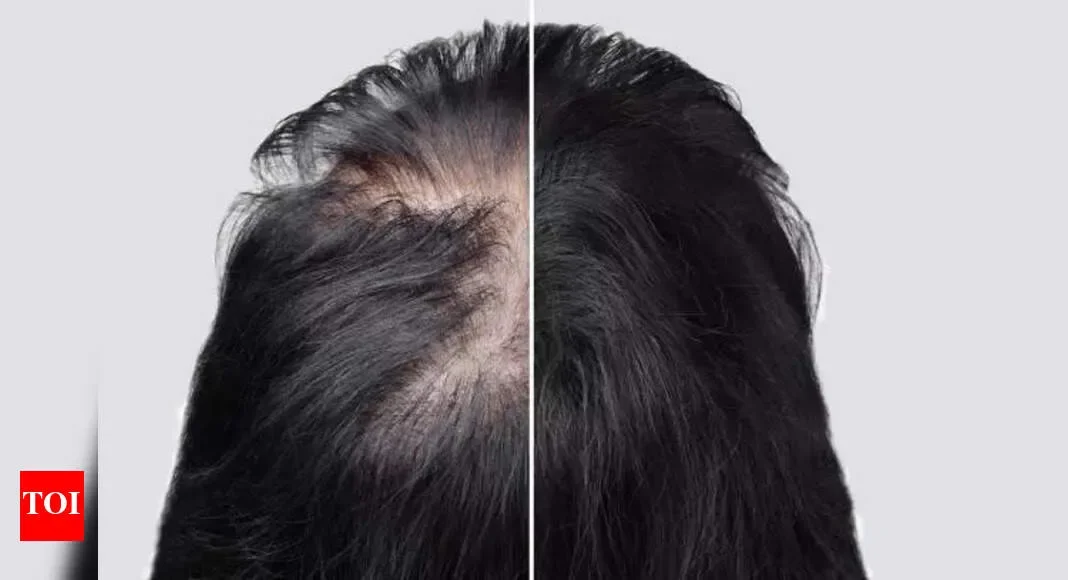
James claims his approach, taking mere minutes daily, involves a specific combination of methods, though he notes significant personal sacrifices are required. The precise details of this 'combination' remain largely vague, emphasizing personal experimentation over universally applicable science. This narrative, however, feeds into a broader online discourse where individuals share purported successes with DIY hair restoration.

Other reported methods for combating hair loss touch upon more conventional, albeit still experimental, avenues. Some suggest a reliance on oral Minoxidil, a prescription medication, taken at a dosage of 3.75 mg daily, which requires a doctor's prescription. This is often paired with red light therapy caps, used for six minutes a day, which proponents claim stimulate hair follicles. The underlying principle cited for micro-needling, a technique where needles of 0.2mm to 2.5mm create controlled micro-injuries, is that the skin's repair process may stimulate hair growth by increasing follicle activity and protein production.
Read More: India IVF Costs And Social Barriers Limit Access In April 2026

The effectiveness of various 'home remedies' and 'natural solutions' is frequently discussed, with claims ranging from nourishing the scalp to preventing hair fall. Ingredients like coconut oil, known for its fatty acids, and egg masks, intended to nourish hair, are commonly mentioned. Other suggested natural aids include amla (Indian gooseberry) for its supposed hair benefits, curry leaves to boost scalp health and melanin, and regular scalp massages to relieve tension and enhance hair health.
Read More: Gucci Westman brand strategy for 2026 skin-first makeup routines

The underlying causes of hair loss are complex, often attributed to factors like genetics and hormonal shifts, particularly the role of certain androgens that can shrink hair follicles. However, the reversibility of hair loss is presented as variable. In cases of "scarring alopecia," where hair follicles are permanently damaged, hair loss is generally considered irreversible. The type and cause of alopecia are key determinants of whether hair loss can be reversed.
The Landscape of Hair Loss Interventions
Beyond individual anecdotal accounts, the field of hair loss intervention involves both conventional medical approaches and a burgeoning DIY culture. While some seek professional guidance from dermatologists to identify underlying causes, others are drawn to less regulated, at-home solutions.
Dietary considerations are also frequently brought up. A balanced intake of protein, omega-3 fatty acids, and specific vitamins like Biotin (B7), C, D, and E, alongside minerals such as iron and zinc, is often cited as beneficial.
The notion of 'semen retention' has also surfaced in some online narratives as a method for purportedly phenomenal hair growth when combined with specific diets, though this lacks any scientific backing.
The effectiveness of certain products, like thickening shampoos, is questioned, with some sources suggesting they are designed for aesthetic improvement rather than actual hair regrowth.
Even established procedures like hair transplants are presented as requiring ongoing hair-retention measures to maintain results. The underlying message is that while some interventions might slow progression, achieving genuine reversal remains a contested claim across various platforms.


:max_bytes(150000):strip_icc()/GettyImages-2278551725-50710cd65d104f41880e3e15f0caa8fe.jpg)