Crude oil futures, specifically WTI, danced around the $92 per barrel mark on Tuesday. This comes after a significant jump, a 5.5% surge in the preceding session, a movement traders are now trying to parse through a thicket of contradictory signals regarding a potential US-Iran peace agreement. The underlying anxiety is the uncertainty about the future of shipping lanes, particularly through the Strait of Hormuz, a crucial chokepoint for global oil transit.
Conflicting reports and statements from various actors, including President Trump and Israeli Prime Minister Netanyahu, have muddied the waters regarding progress on a ceasefire in Lebanon and broader negotiations with Iran. While Iranian news agencies have expressed doubt about the diplomatic overtures, President Trump has indicated that discussions are ongoing and that a memorandum of understanding to reopen the Strait of Hormuz could be finalized within a week, though significant hurdles remain.
Read More: Solaris Energy SEI Stock Price Forecast Reaches $91.98 by July 2027
The broader impact of the tensions in the Middle East, though not always directly tied to direct military conflict, has already sent ripples across numerous commodity markets. This includes crude oil, but also liquefied natural gas (LNG), fertilizers, petrochemicals, and aluminum, all experiencing disruptions in supply, increased costs, and heightened volatility.
Meanwhile, Ukraine’s ongoing drone campaign appears to be intentionally targeting Russian oil infrastructure. The objective is clear: to weaken Moscow’s war economy and disrupt its fuel supplies. This adds another layer of complexity to the global energy landscape, moving beyond solely Mideast-centric concerns.
Technically, the market shows a mixed bag of indicators. The Relative Strength Index (RSI) stands at 59.9, signaling bullish momentum, while the MACD histogram is positioned below its signal line, suggesting a bearish trend. However, the 50-day and 200-day moving average configuration hints at an overall uptrend. Forecast models, like the damped Holt projection, point to a potential price of $95.40 within seven days, with a wide interval of $85.40–$105.40.
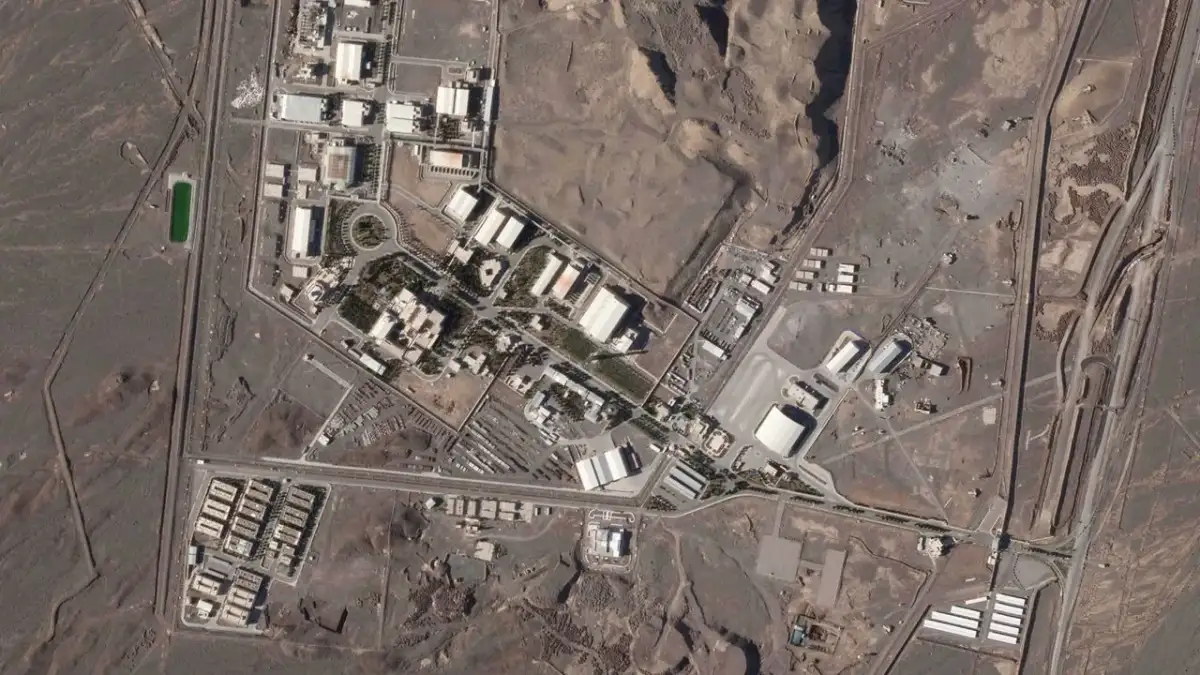
Read More: Iran Zagros Mountain Nuclear Site Construction Update April 2026
The persistent nuclear program and missile development by Iran remain a significant point of contention. Any temporary agreement with Tehran, as suggested by Kaja Kallas, must ultimately pave the way for more comprehensive negotiations covering these critical issues and Iran’s regional influence. The ongoing review of the latest US ceasefire proposal by Iran offers a sliver of hope for a truce extension, which in turn has been a moderating factor on oil prices. Yet, the deep-seated issues suggest that volatility is unlikely to dissipate quickly.