WARMING PATHWAYS REDRAWN
New scientific assessments suggest that the most dire predictions for future global warming are now less probable, while simultaneously making the ambitious goal of limiting warming to 1.5 degrees Celsius increasingly unattainable. Scientists are revising their models, moving away from the most catastrophic end-of-century warming scenarios, which previously projected temperatures rising as much as 4.5 degrees Celsius. The updated "worst-case" outlook now hovers around a 3.5 degrees Celsius rise.
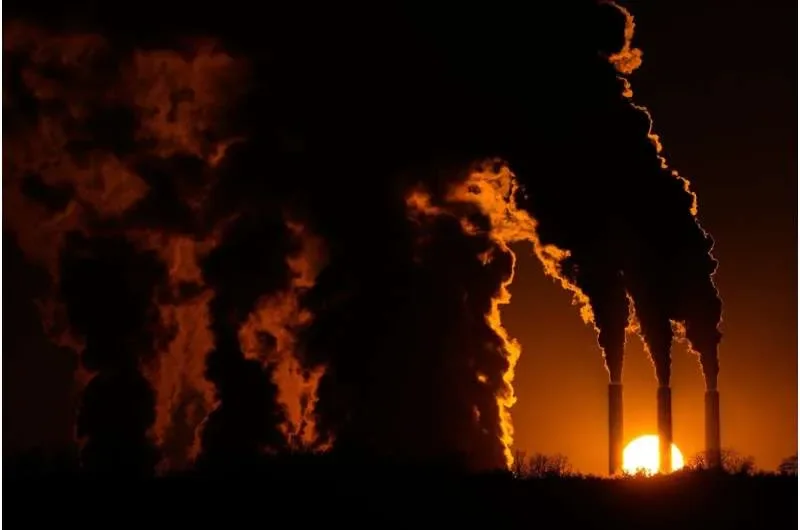
However, this recalibration comes with a stark warning: the window for achieving the Paris Agreement's target of 1.5 degrees Celsius is closing, and may already be shut without artificial intervention. This best-case scenario, previously theorized to keep warming just below the target, is now projected to slightly exceed it, with an updated best-case future a couple of tenths of a degree warmer than previously thought. The world's current warming pace, estimated at one-tenth of a degree Celsius every five years, underscores the difficulty in reversing course.
Read More: India's Fertilizer Waste Costs $2.6 Billion Annually
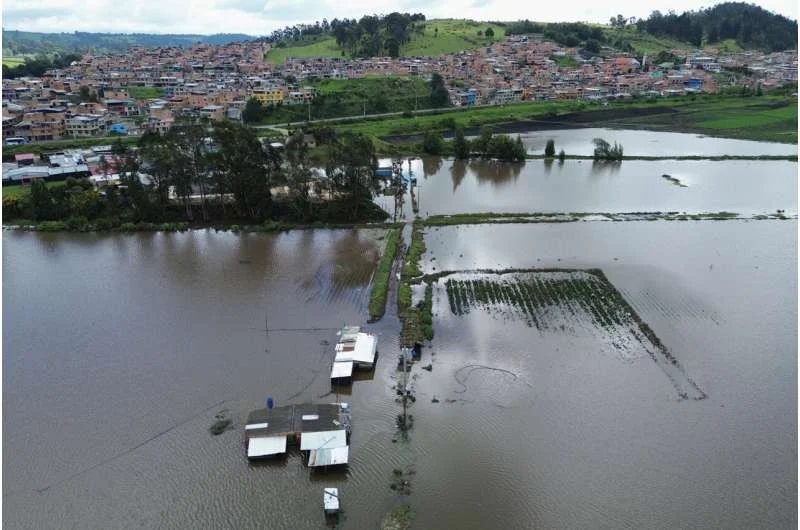
"The 1.5 goal is not just a number," stated climate scientist Natalie Mahowald of Cornell University, a co-author of a United Nations science report detailing the escalating harms of exceeding this threshold. The shift in projections acknowledges that while extreme coal-driven warming scenarios are less likely – partly due to the rapid growth of renewable energy – emission cuts have not been swift enough to meet international commitments.
IMPLICATIONS OF ESCALATING WARMTH
The revised projections do not diminish the significant risks associated with continued warming. Every additional fraction of a degree Celsius increase is expected to amplify existing climate impacts, posing greater threats to vulnerable populations and ecosystems. Scientists caution that intensified heat waves, more severe flooding, exacerbated water shortages, and increased risks to communities, including small island nations, remain pressing concerns.
Read More: Over 1,100 New Deep Sea Species Found in Past Year
NEW SCENARIOS DETAILED
Updated Worst-Case: Projected end-of-century warming around 3.5 degrees Celsius (6.3 degrees Fahrenheit), a notable decrease from prior estimates of approximately 4.5 degrees Celsius.
Updated Best-Case: Now projected to exceed the 1.5 degrees Celsius target, indicating that this previously theorized outcome is no longer realistically achievable without significant, likely artificial, cooling measures.
Current Warming Pace: Approximately 0.1 degrees Celsius every five years.
BACKGROUND AND CONTEXT
These adjustments stem from updated scientific modelling and reflect a more nuanced understanding of future climate trajectories. While the likelihood of the most extreme outcomes has decreased, largely due to advancements in renewable energy sources that temper the potential impact of fossil fuel reliance, the reality of surpassing key climate targets like the 1.5 degrees Celsius limit set by the Paris Agreement is becoming clearer. This scientific recalibration has also drawn commentary, with former President Donald Trump reportedly referencing the revised outlook, claiming earlier high-end projections were now proven incorrect. Researchers, however, continue to stress that substantial climate risks persist, regardless of the specific scenario.