

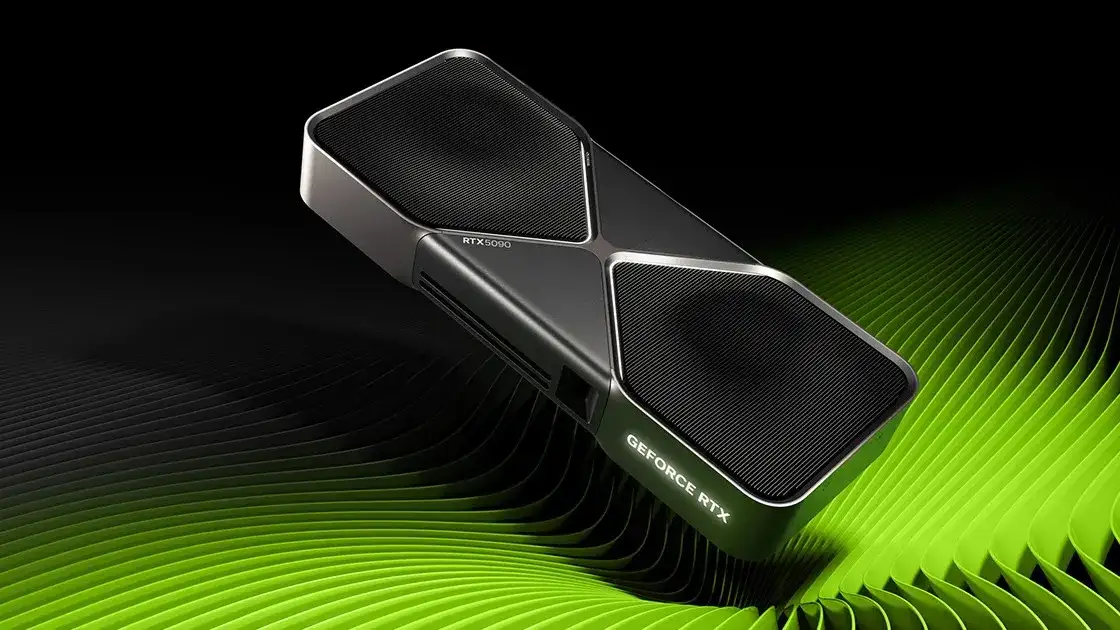
Enormous Power Draw Signals New Era of Graphics Processing
The latest push in graphics technology appears to be heading towards exorbitant power demands. Recent industry murmurs, particularly around Computex 2026, point to a new tier of graphics processing units (GPUs) that will likely be out of reach for the average consumer, both in terms of acquisition and operational cost. These behemoths are set to consume an unprecedented amount of electricity, a significant departure from previous generations.
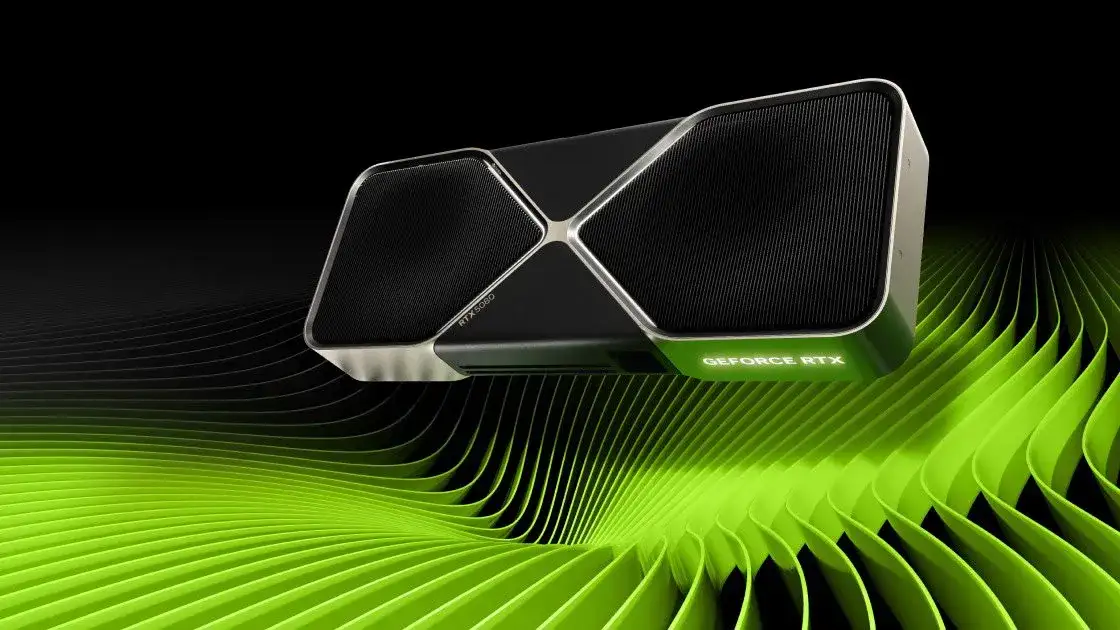
This surge in power consumption is directly linked to the advanced capabilities these new GPUs promise, including the ability to achieve very high frame rates at 1440p and even solid performance in some 4K gaming scenarios. This performance jump, however, comes with a substantial caveat: a recommended power supply of 750W and a typical consumption of 300W for specific models.

Memory and Efficiency Trade-offs in High-End Graphics
While the headline-grabbing aspect is the sheer power requirement, other technical specifications also reveal strategic choices. One particular model, despite being positioned at the higher end, reportedly uses GDDR6 memory instead of the faster GDDR7 found in other products within the same presumed product line. This suggests a deliberate balancing act between raw performance and component cost, or perhaps an acknowledgement that certain components are not yet ready for the full power envelope of the new architecture.
Read More: AWS DLAMI DLC Now Use SOCI Snapshotter For Faster Starts

For consumers looking to manage their electricity bills, the advice is to lean on older GPU generations and leverage existing technologies like DLSS. This strategy allows for increased frame rates without the drastic increase in power draw, thereby mitigating concerns about electricity costs.
A Shifting Landscape for GPU Users
The discourse surrounding these new GPUs highlights a widening chasm between cutting-edge technology and practical accessibility. The immense power requirements suggest a future where only those with robust power infrastructure and a significant budget can afford to engage with the latest advancements in graphical processing.
Read More: Marvel's Wolverine Collector's Edition Gone From Stores
Background: The Evolving Role of GPU Technology
The Graphical Processing Unit (GPU), once primarily a component for rendering visual output, has evolved into a powerhouse for complex computations. This expansion has led to increased power demands over time.
Early GPU-Z Network Behavior: Historically, tools like GPU-Z have maintained a minimal network footprint. Such software typically communicates only with specific servers for update checks or to retrieve basic hardware information, often over secure connections (HTTPS). This controlled communication is designed to minimize intrusion and ensure user privacy. For instance, GPU-Z’s network requests have been detailed as going to
www.gpu-z.comand specific endpoints for version checks and VBIOS uploads.Urban Planning and Data Management: In a separate domain, the acronym GPU also refers to the 'Géoportail de l’urbanisme' in France. This platform serves as a centralized hub for managing and disseminating urban planning documents and data. It operates under different principles, focusing on data compliance and public access for territorial authorities. This use of the acronym highlights the need for clarity when discussing technological terms across diverse fields.


