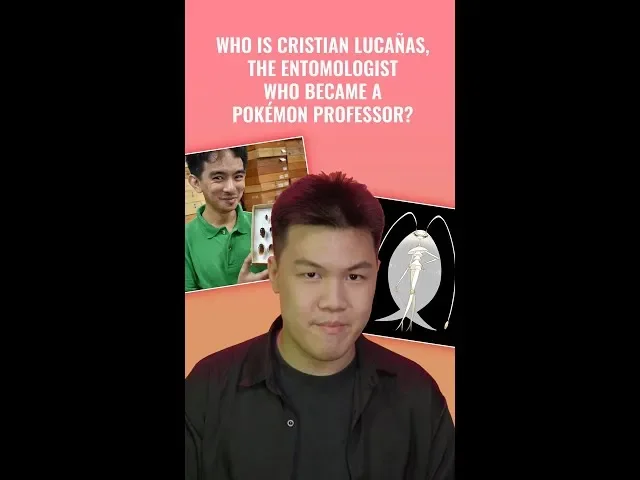
Entomologist Cristian Lucañas, based at the University of the Philippines Los Baños (UPLB), has cataloged a significant expansion of known cockroach biodiversity within the Philippines and across Southeast Asia. Through field-based morphological analysis and genetic research, Lucañas has documented 14 newly described species and multiple new genera, moving beyond the household reputation of the common Periplaneta americana.
The core scientific signal resides in the taxonomic reclassification of these insects, specifically the identification of five morphological distinctions that separate new species—such as the newly established Hobbitoblatta genus—from conventional domestic counterparts.

Quantitative Reach of the Fieldwork
| Category | Discovery Count | Region of Focus |
|---|---|---|
| Philippines species | 8 species / 5 genera | Archipelago Rainforests |
| International co-discoveries | 6 species | India, Indonesia, Singapore |
| Total cataloged (co-described) | 14 species | SE Asia / India |
The Mechanics of Naming and Cultural Bridges
To engage public interest in the niche field of systematics, Lucañas utilizes contemporary pop-culture motifs to categorize his findings. By bridging Scientific Nomenclature with popular media, the research aims to destigmatize an insect group traditionally relegated to domestic pest control.
Read More: Indigenous Data Rights Now Key in Conservation Genomics
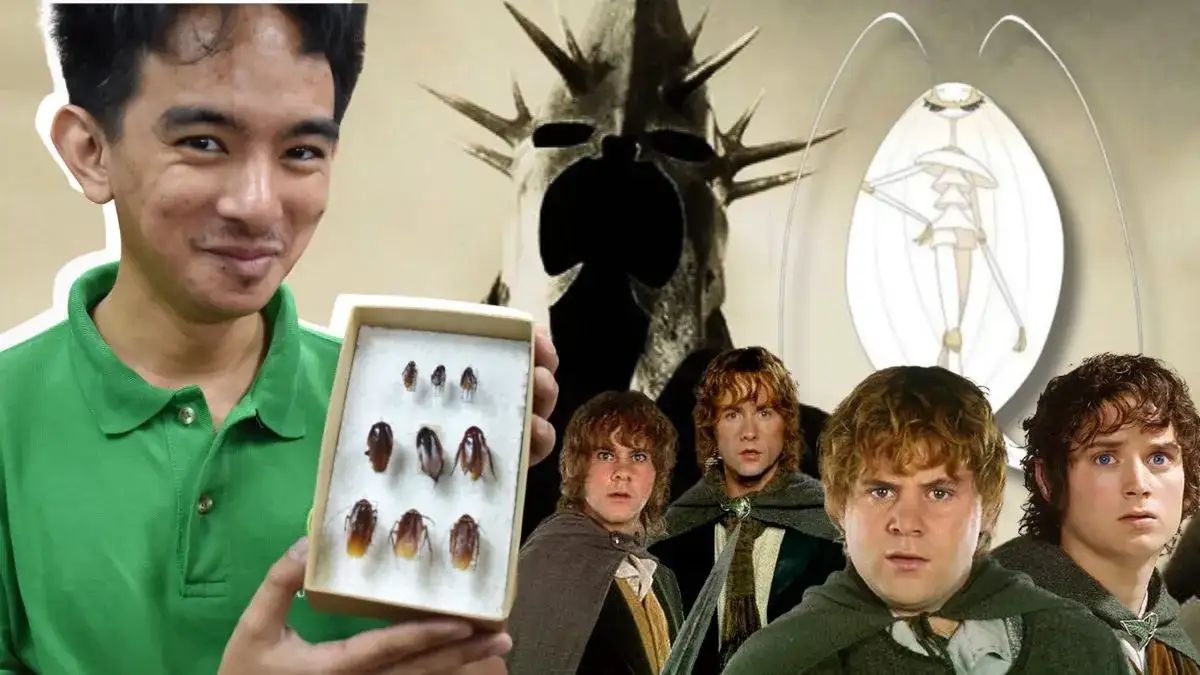
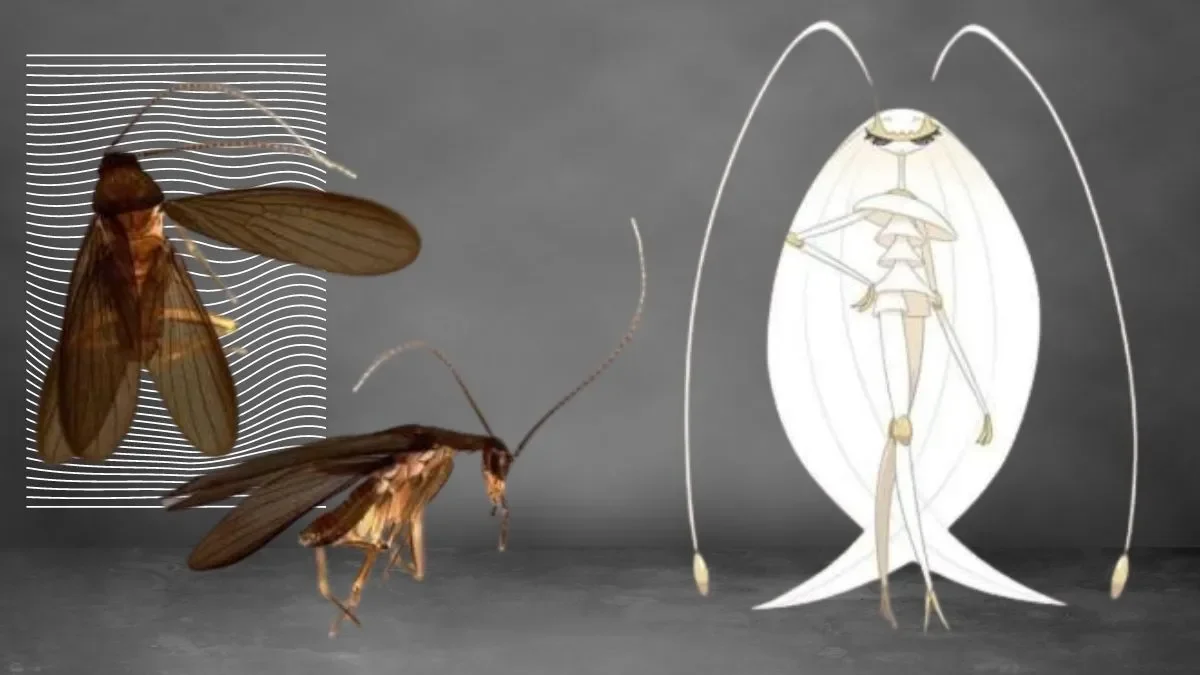
Nocticola pheromosa: Named for its visual alignment with the Pokémon character Pheromosa, this species discovery involved genetic validation and collaboration with the Lee Kong Chian Natural History Museum.
Hobbitoblatta lambioe: Named in reference to J.R.R. Tolkien’s fantasy lore and local faculty mentorship; these classifications rely on physical traits such as sexual dimorphism and distinct skeletal structures that differentiate them from the Periplaneta group.
Background: From Guano Caves to Systematic Biology
The transition of Lucañas from a standard biological student to a specialized researcher began 12 years ago. His trajectory was forged in the isolated environments of bat caves—habitats where cockroaches perform essential ecological functions, such as waste processing (guano), far removed from the urban environment.
The shift in perspective—viewing these creatures not as household irritants but as indicators of environmental complexity—serves as the primary catalyst for his ongoing academic work. His research is less a defense of the pest and more a structural investigation into the evolution and classification of insects that have historically lacked formal academic attention within the Philippine Entomological Framework.