Appeals Chamber Rejects Final Bid to Halt Proceedings
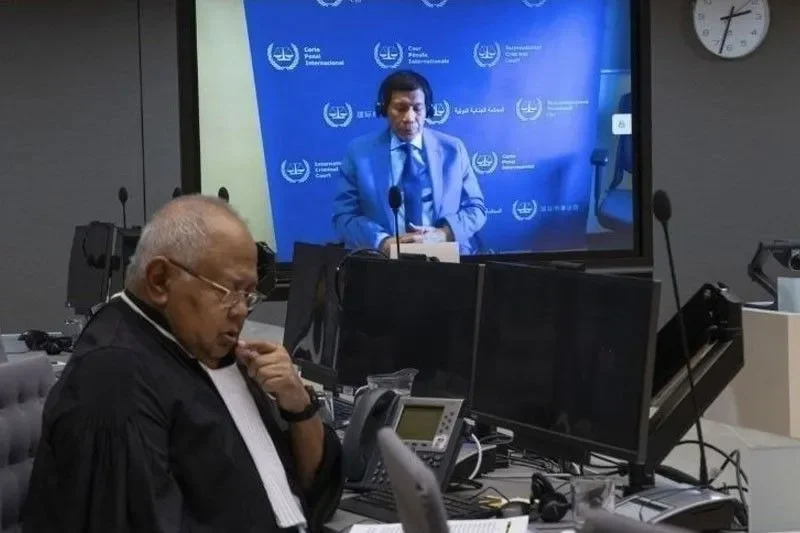
TODAY, APRIL 22, 2026, the International Criminal Court (ICC) Appeals Chamber delivered a definitive rejection of former Philippine President Rodrigo Duterte's attempt to dismiss charges of crimes against humanity. The ruling, which arrived after a protracted legal tussle, signifies that the court maintains its jurisdiction over allegations stemming from Duterte's infamous "war on drugs." This development effectively clears a significant hurdle, paving the way for a potential trial that could probe the depths of alleged state-sponsored violence.
The ICC Appeals Chamber has rejected all four grounds of appeal lodged by Rodrigo Duterte, asserting its authority to proceed with the crimes against humanity case against him. This decision, labeled as final by court observers, stems from Duterte's challenge to the court's jurisdiction, a strategy that has occupied legal proceedings for an extended period. The former president, who had previously waived his right to attend hearings, was again absent as the judgment was delivered. His legal representatives, Nicholas Kaufman and Dov Jacobs, were present.
Read More: Tribunal Rules Indus Waters Treaty Still Binding for India and Pakistan
Duterte's 'War on Drugs' Under Scrutiny
The case centers on thousands of killings attributed to police operations and alleged hired assassins during Duterte's presidency, which he framed as a necessary campaign against illegal narcotics. Prosecutors have presented evidence, including video recordings, purporting to show Duterte urging law enforcement to kill drug suspects and disregard legal constraints. While the intensity of these killings has reportedly decreased from their peak, drug-related violence persists in the Philippines, with some critics suggesting that Duterte sought to "outsource justice" to the ICC while fostering a "culture of impunity" at home.
The ICC's confirmation of charges hearing, which occurred earlier this year, assessed the sufficiency of evidence to move the case to a full trial. Judges now face a decision, to be rendered within 60 days, on whether to confirm some or all charges, proceed to trial, dismiss the charges, or request further evidence. The case represents a critical examination of whether international law can effectively address alleged state-sanctioned violence within ostensibly democratic frameworks.
Read More: Philippines uses Starlink satellites for cell service
Legal Maneuvering and Historical Context
Duterte's administration withdrew the Philippines from the Rome Statute, the treaty that established the ICC, a month after a preliminary examination into the drug war killings was authorized. Dissenting opinions among judges have questioned the interpretation of Article 127(2) of the Rome Statute, with some arguing that the majority's interpretation could render a state's right to withdraw from the treaty "meaningless."
The legal battle has seen Duterte's camp make various attempts to halt pre-trial proceedings and secure his release, efforts that have now been largely rebuffed by the Appeals Chamber's decision. The proceedings are seen as historically significant, marking a potential watershed moment for international criminal law in Southeast Asia, with implications for how future cases involving alleged state-sponsored violence might be conducted. The participation of numerous victims and the adoption of innovative prosecution techniques are also being closely watched.
Read More: ICC Arrest Warrant for Senator Dela Rosa Issued May 11