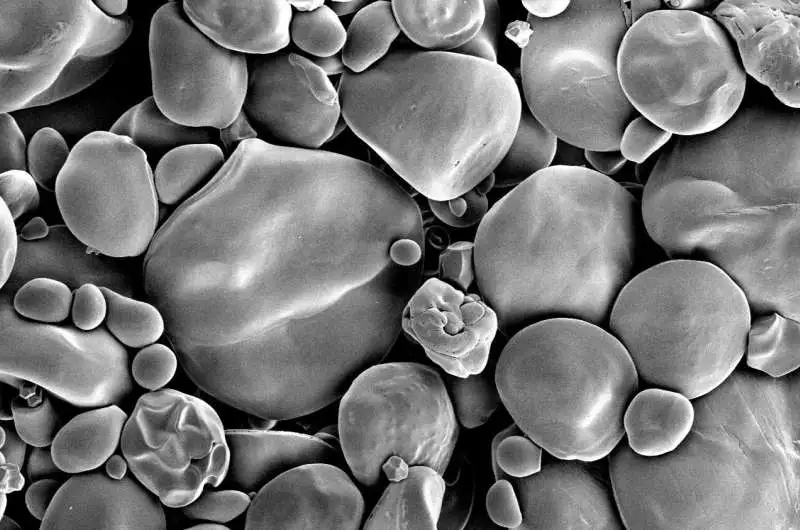
Evidence now points to pearl millet's ancient dispersal from West Africa across continents, reaching South Asia by around 2500 BCE. This finding redraws understanding of early agricultural spread, suggesting a more complex and far-reaching migration than previously thought. The grain's journey highlights its adaptability and importance in early human diets.
Millet's Roots and Reach
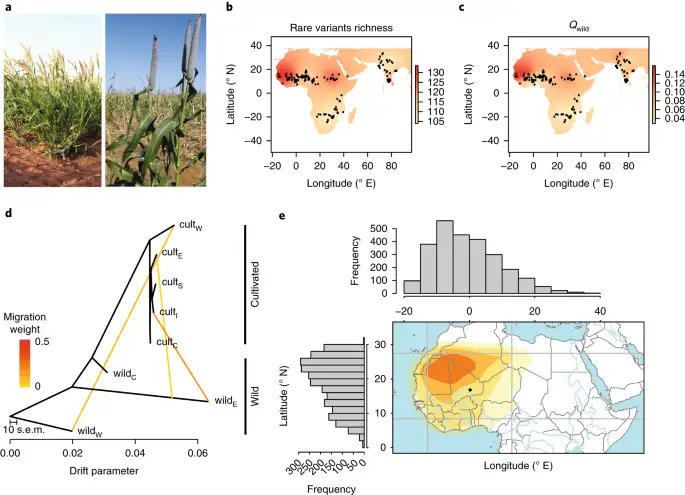
New analysis, particularly from archaeological digs, suggests the domestication of pearl millet, Pennisetum glaucum, began in the Sahel region of West Africa. This domestication likely occurred around 6,000 years ago, driven by climatic shifts, specifically aridification that pushed wild populations southward. From this central Sahel hub, roughly 3,200 years ago, the cultivated grain then began its expansion both eastward and westward.
Genetic Clues and Archaeological Finds
Genetic studies reveal a shared ancestry for cultivated millet varieties, tracing them back to wild forms in the central Sahel.
Archaeobotanical evidence, including charred grains found in specific contexts like ceramic temper, corroborates the presence and use of pearl millet.
Radiocarbon dates associated with fully domesticated pearl millet caryopses place its earliest spread to South Asia by 2500 BCE.
A Grain's Adaptation and Nutrition
The spread of pearl millet was not merely a matter of migration; it was tied to its inherent qualities.
Pearl millet offered distinct nutritional advantages, noted for its zinc content. This contrasts with other millets like foxtail (protein) and proso (carbohydrates).
The domestication process itself involved selecting for key traits, such as the cessation of seed dispersal, making it viable for cultivation.
Historical Context and Site Details
The timeline and locations associated with pearl millet are crucial to understanding its dispersal.
Read More: St. Augustine's ideas on justice help explain US politics
| Millet Type | Origin/Location | Approximate Timeframe |
|---|---|---|
| Pearl Millet | Northeast Mali | ~5000 BCE |
| Pearl Millet | Western Sahara (center of domestication) | ~6000 years ago |
| Pearl Millet | Central Sahel (spread from) | ~3200 years ago |
| Pearl Millet | South Asia (reached by) | 2500 BCE |
| Finger Millet | Eastern Africa | ~2977 BCE |
| Browntop Millet | India | ~2800 BCE |
| Little Millet | India | 3300-2600 BCE |
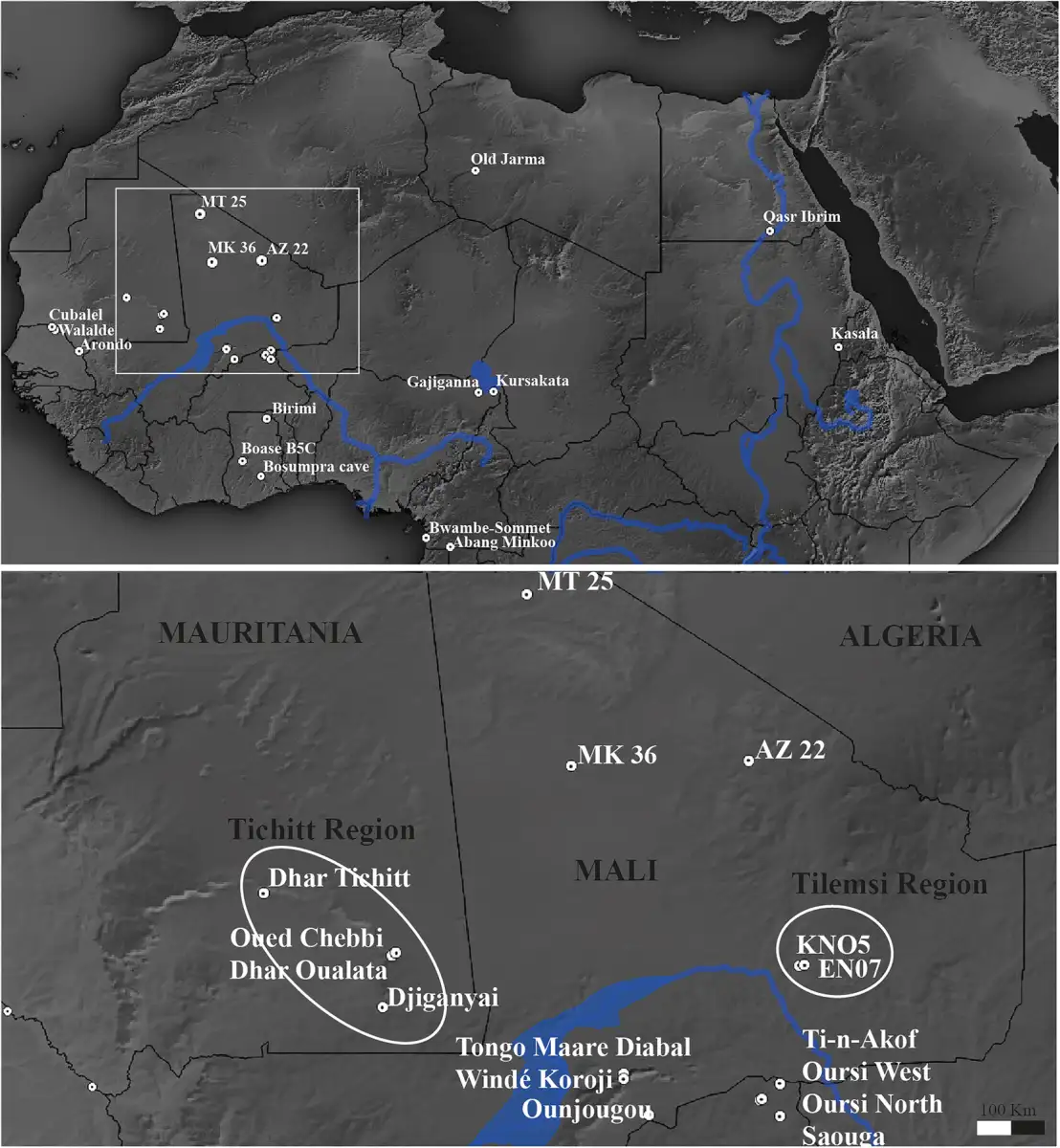
Specific archaeological sites and traditions, such as those in Northern Mali and the Kintampo Tradition in Ghana, provide granular details about millet's early presence and integration into human subsistence patterns. The 'Dhar Tichitt' region, though less detailed in available summaries, also falls within the broader geographical context of these ancient agricultural developments.