Acknowledging Orbital Anomalies Sparks New Inquiries
NASA, long a stoic observer of the cosmos, is now officially grappling with reports of unidentified aerial phenomena (UAP). A recent, though somewhat delayed, release of information details astronauts witnessing mysterious objects while in orbit. These incidents, some captured on camera, are now undergoing scrutiny, shifting from mere anecdotal accounts to data points for investigation. The agency is engaging scientific methodology and instruments to generate data on UAP, aiming for more secure conclusions.
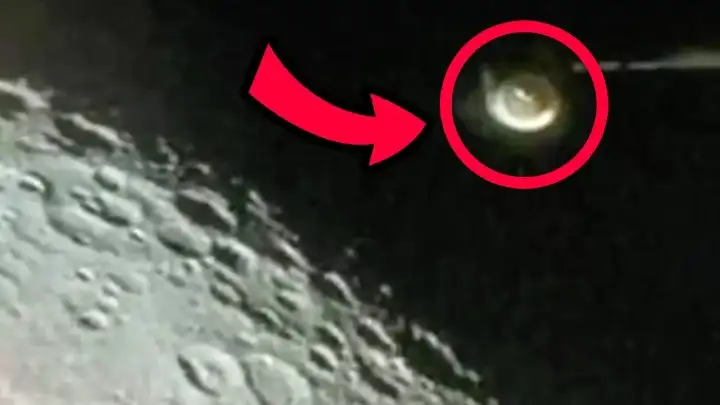
The focus centers on events where astronauts have reported seeing objects that defy conventional explanation. These include a 'dog-bone' shaped object observed by astronaut Chris Cassidy near the International Space Station (ISS) and a peculiar light noted by Buzz Aldrin during the Apollo 11 mission. More recently, astronauts aboard the ISS themselves have reportedly filmed a 'weird light flashing'. While NASA often attributes such sightings to known phenomena or "space trash," the persistence and nature of these reports have compelled a more structured approach.
Read More: NASA Robot Mission Launched to Raise Swift Telescope Orbit, Add 10 Years
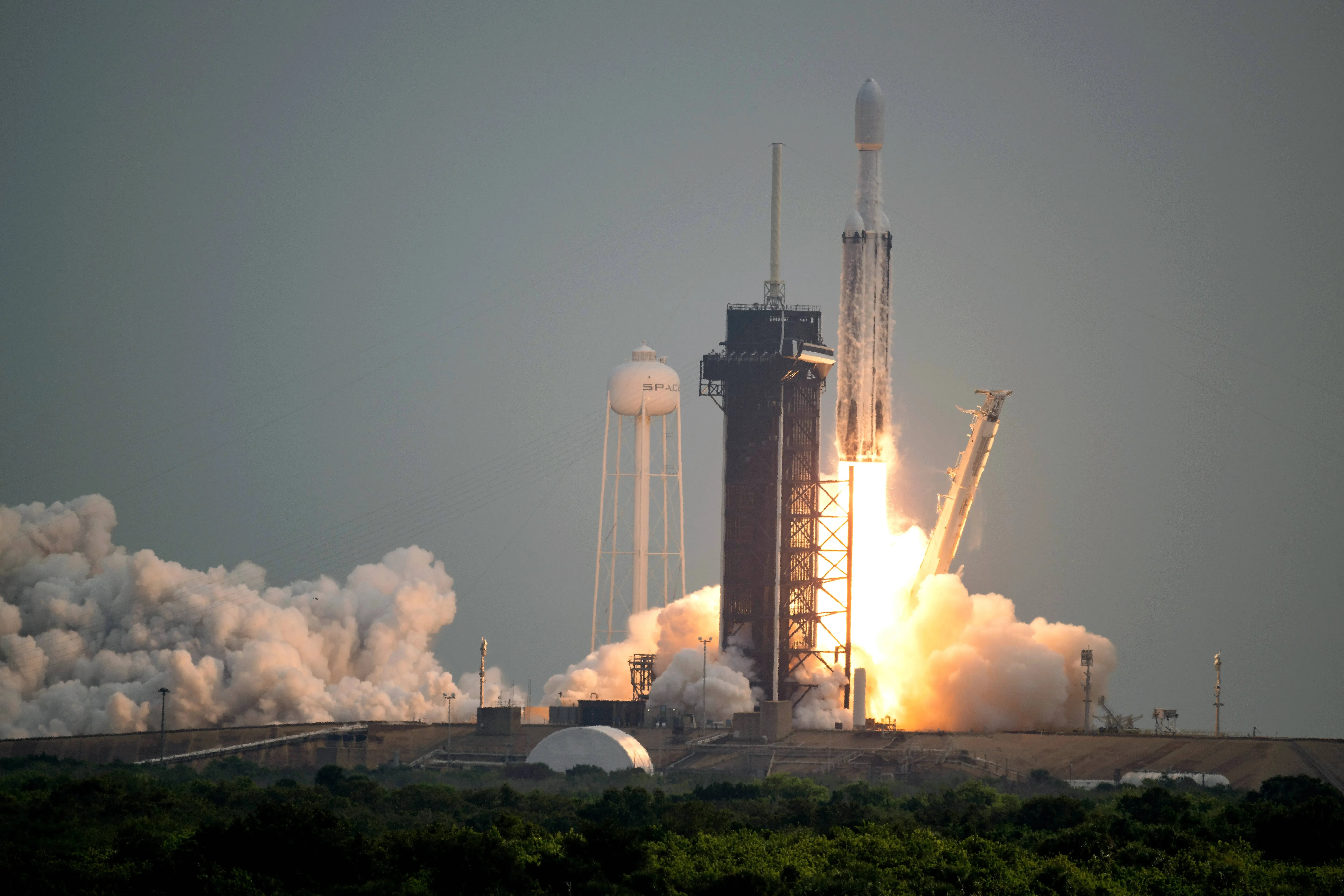
From Speculation to Systematic Study
"Perhaps people were simply spending more time outside, gazing at the sky. And again, most of the time, as you get more data, it will turn out to be something conventional."
This sentiment, offered in the context of NASA scientists taking UAP seriously for the first time, underscores the delicate balance between acknowledging the unknown and maintaining scientific rigor. The agency’s involvement now suggests a move beyond simply dismissing anomalies. The shift is towards sifting through incidents to identify those worthy of deeper investigation, employing upgraded interference-monitoring equipment to aid this process.
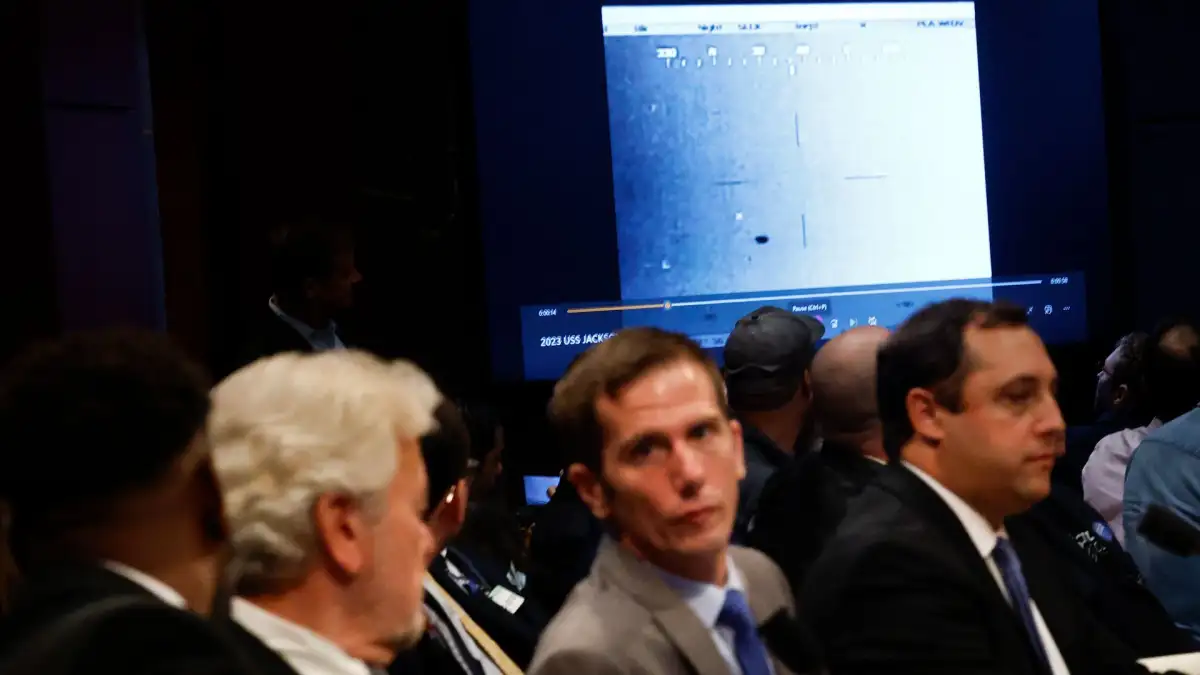
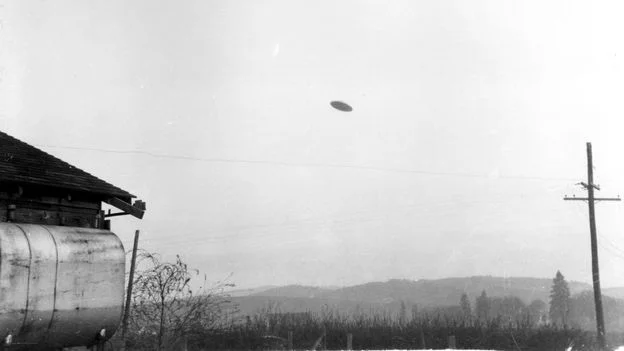
This formalized interest in UAP is not confined to a few isolated incidents. Past observations, such as those by astronaut Story Musgrave who reported seeing "elongated, white, snake-like objects" outside the shuttle, are now being viewed through a more analytical lens. Even astronaut Leroy Chiao, who claims to have seen his first UFO after returning to Earth, adds to the growing body of experiences that NASA is now seemingly compelled to address.
Read More: Indigenous Data Rights Now Key in Conservation Genomics
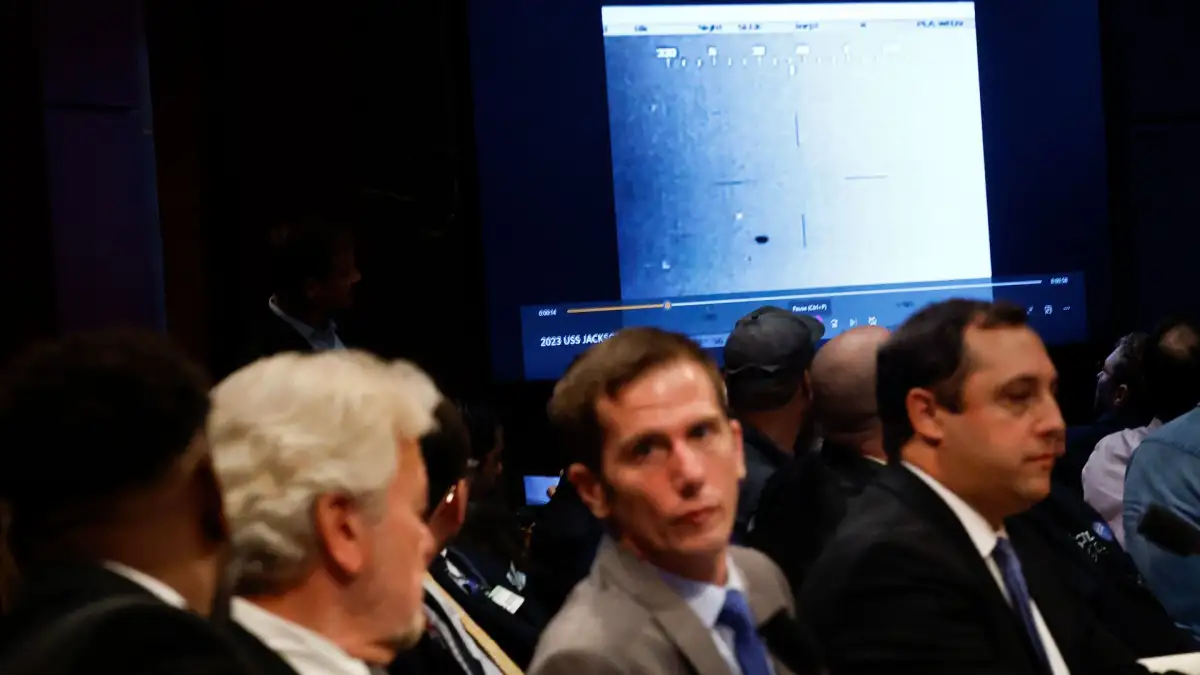
The Unexplained Continues to Unfurl
While the exact nature of these phenomena remains elusive, NASA's active pursuit of understanding them signifies a change in posture. This renewed engagement comes as researchers advocate for precision scientific gear and robust data retention standards for UAP reports. Progress, though acknowledged as likely incremental, is the stated aim. The universe, after all, is vast, and its mysteries are far from fully cataloged.