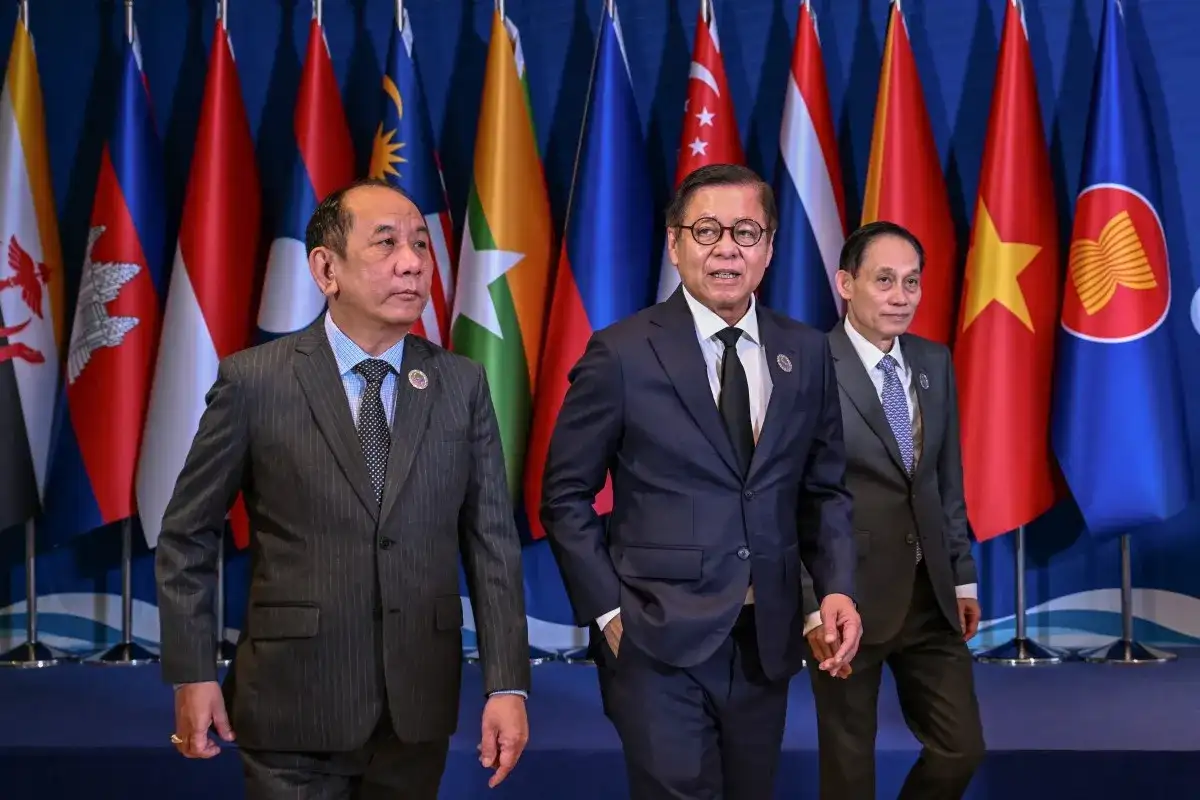
ASEAN nations are signaling a renewed effort to solidify a code of conduct for the South China Sea and bolster energy security, underscoring a regional push for stability amidst evolving global dynamics. This intensified focus emerged from recent high-level ASEAN engagements, where discussions centered on maintaining peace and fostering economic cooperation within the bloc. The organization's overarching vision, encapsulated in "ASEAN Community Vision 2045," aims for sustained peace, market integration, and inclusive development across its member states.
Recent ASEAN activities highlight a persistent agenda:
Maritime Cooperation: Statements from ASEAN Leaders have touched upon maritime cooperation, signaling an ongoing dialogue concerning regional waters.
Energy Security: The Secretary-General of ASEAN has engaged in discussions regarding strategic responses to energy crises and trade tensions.
Regional Integration: ASEAN continues to promote its three community pillars – Political-Security, Economic, and Socio-Cultural – to ensure regional harmony and prosperity.
These developments position ASEAN as an active participant in addressing critical regional challenges. The organization's commitment to these issues reflects a broader objective of leaving no one behind in its pursuit of equitable and sustainable development for all member states.
Background: A Foundation of Cooperation
The Association of Southeast Asian Nations (ASEAN), established to foster economic growth and regional peace, comprises several nations in Southeast Asia. It is recognized as one of the developing world's more successful zones of economic cooperation. Its core objectives have historically included removing trade barriers, developing joint research programs, and facilitating academic and cultural exchanges. While other regional economic forums exist, such as the Asia-Pacific Economic Cooperation (APEC), ASEAN maintains its distinct role and legitimacy as a primary platform for regional dialogue and action.
Read More: AFP Reviews War Crime Claims Against Australian in Gaza