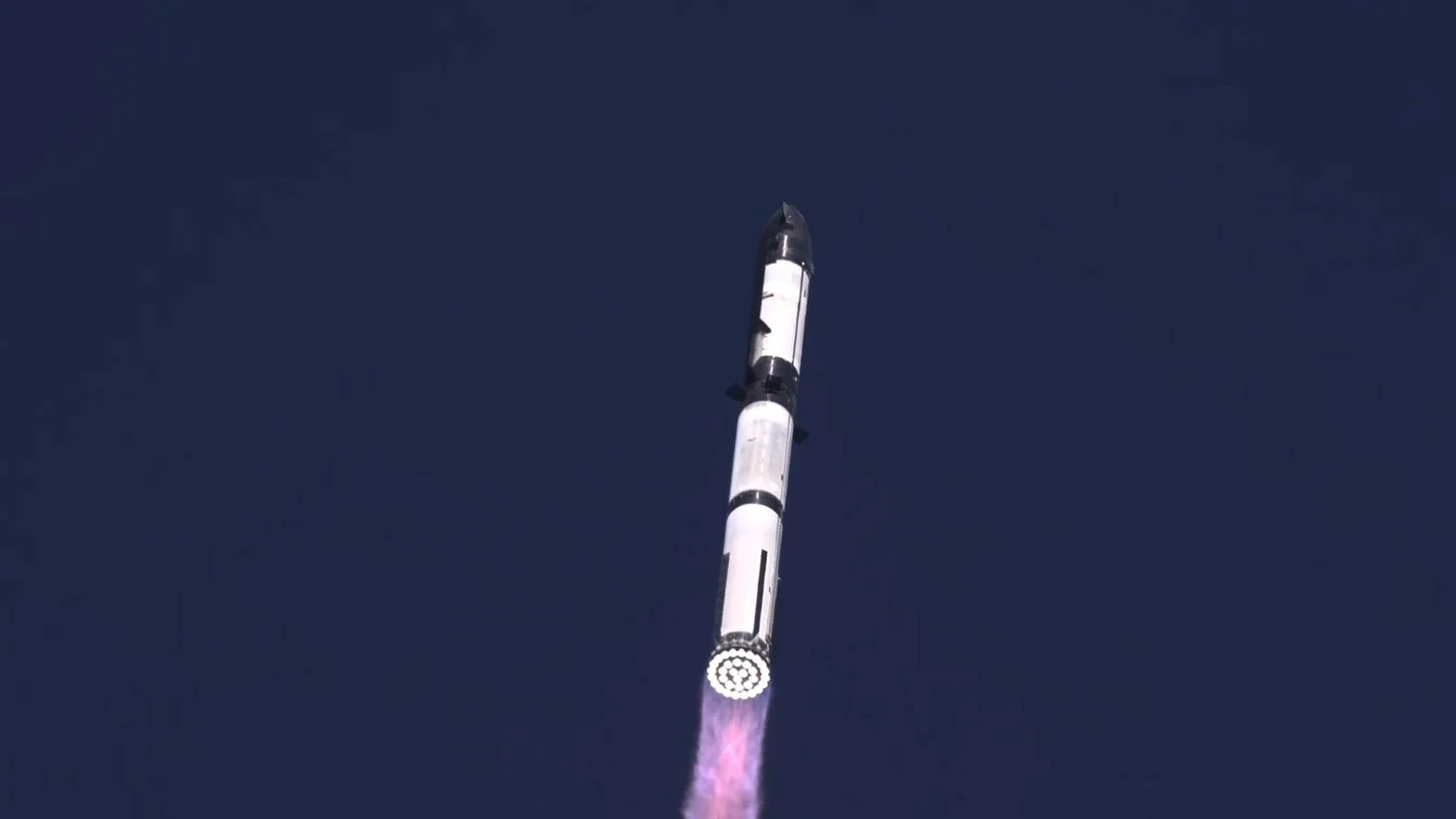
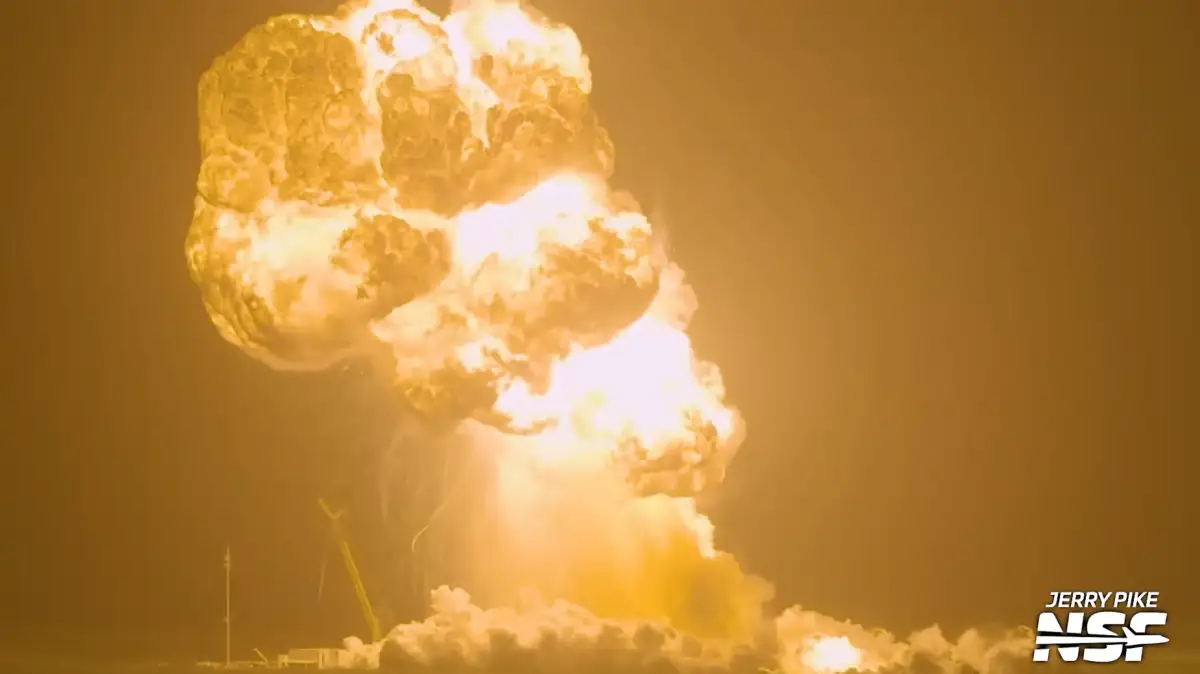
SOUTH TEXAS - A SpaceX Starship upper stage detonated in a massive fireball during a ground test at its Starbase facility late Wednesday, destroying the rocket days before a critical mission. The blast occurred around 11 p.m. local time while the vehicle was undergoing preparations for a static fire test, a routine step preceding flight attempts.

No injuries were reported, with SpaceX stating a safety perimeter was maintained. The incident marks the latest in a string of high-profile failures for the ambitious Starship program, a program vital for NASA's lunar aspirations. Live stream footage from observers at the Starbase site captured the dramatic event.
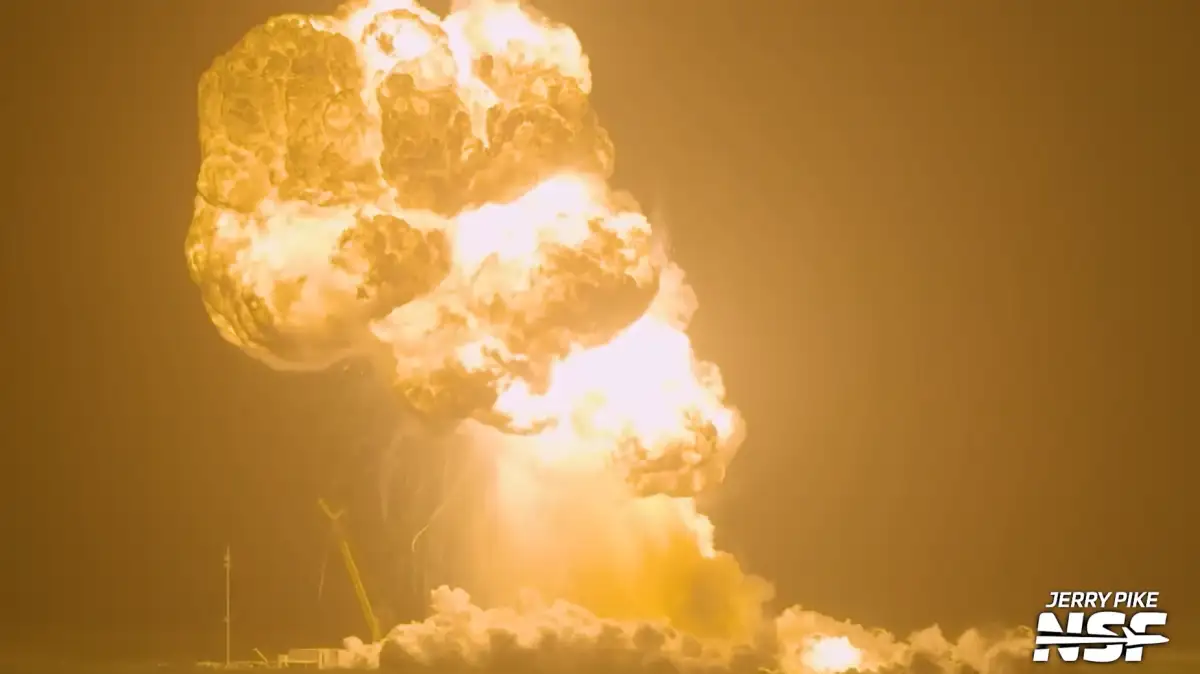
SpaceX has not immediately detailed the exact cause of the anomaly, which occurred after propellants were loaded. This particular test configuration is usually among the final stages before a Starship is moved to the launch pad. The destruction of this upper stage represents a significant blow, particularly with upcoming launch windows and critical developmental milestones looming.
Read More: NASA Robot Mission Launched to Raise Swift Telescope Orbit, Add 10 Years
A Pattern of Explosions Mars Progress
This latest incident follows a series of increasingly public failures. Three of the most recent four Starship test flights ended in explosions before reaching their planned trajectories, casting a shadow over the program's reliability.

Just weeks prior, on May 22, 2025, SpaceX revealed that a 'flash' in the rocket's engines had caused the destruction of Starship Flight 8. In January, another Starship launch experienced a catastrophic breakup shortly after liftoff, scattering debris across the Caribbean. Despite these recurring issues, the Federal Aviation Administration (FAA) had previously stated that SpaceX had satisfactorily addressed the causes of the Flight 8 mishap, clearing the way for subsequent tests.
NASA's Lunar Dependence and Future Uncertainties
The Starship program is not merely an exercise in ambition; it holds significant weight for NASA. The space agency is banking on a Starship variant to ferry astronauts to the lunar south pole within the next two to three years. The repeated explosions and test failures raise persistent questions about the rocket's overall reliability and the feasibility of its aggressive timelines.
Read More: Chrome mimeHandler API lets extensions handle file types
The sheer scale of the Starship, standing 120 meters tall with its Super Heavy booster, has long been a point of concern regarding its operational robustness. The need for orbital refueling, a complex maneuver in itself, further adds layers of technical challenge. SpaceX has implemented corrective actions in the past, but their efficacy in preventing future anomalies remains a pressing question. The investigation into Wednesday's detonation is now underway.