Recent scientific endeavors have illuminated previously unseen parasitic life within fish populations, suggesting a more complex and potentially precarious state of aquatic ecosystems than previously acknowledged. Findings point to a widespread presence of a novel parasite, identified through genetic analysis and previously overlooked in various marine fish species across the globe. This parasite, a member of the apicomplexans, a significant group of clinical parasites, has now been characterized and its global distribution noted.
Global Reach and Local Particulars
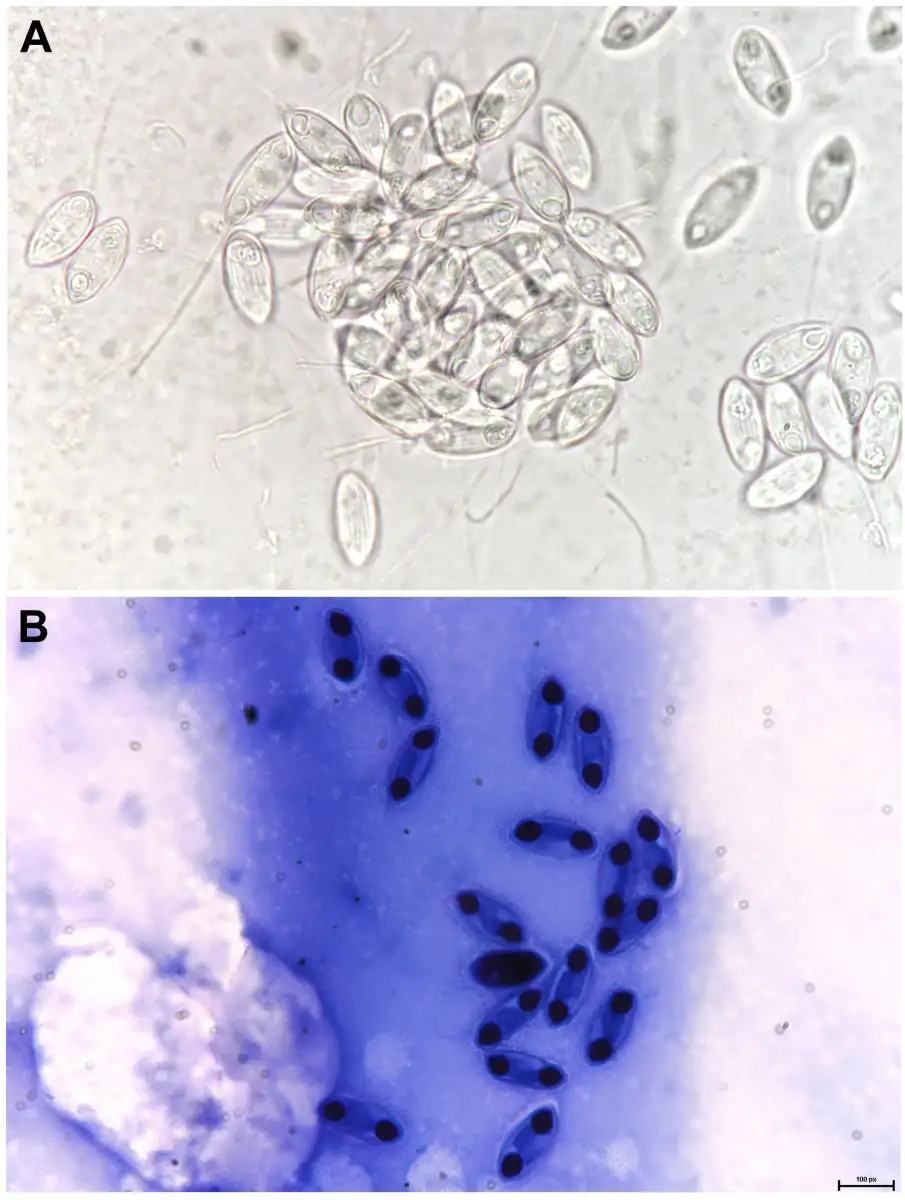
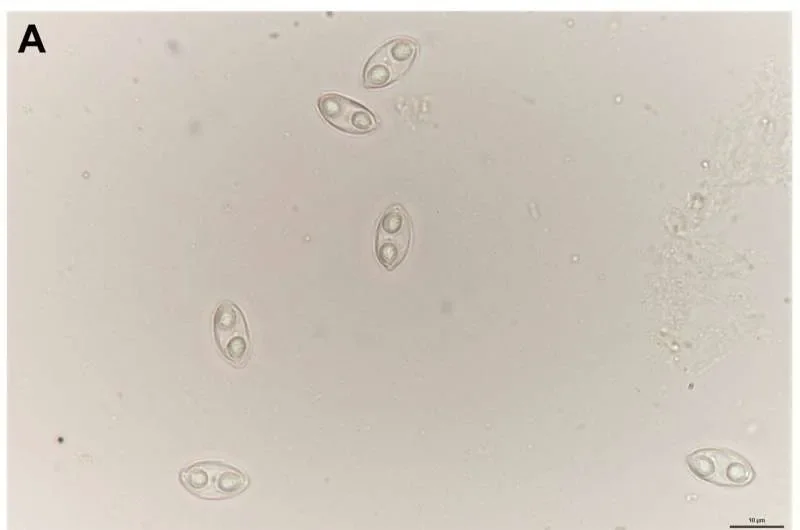
The discovery extends beyond a single region. Researchers have documented this "invisible" parasite in fish from various oceans, indicating a broad geographic spread. This ubiquity has significant ramifications for commercial fishing operations and the intricate web of oceanic food chains. Furthermore, a separate, though related, study focusing on the Sea of Galilee has identified two new species of Myxidium, a type of parasitic cnidarian, within the gallbladders of barb fish. These newly described Israeli species appear to be nested among freshwater parasites, with potential implications for understanding parasite evolution and host specificity.
Read More: Manganese Nanoparticles Boost Immune System to Fight Cancer
Uncovering the Unseen
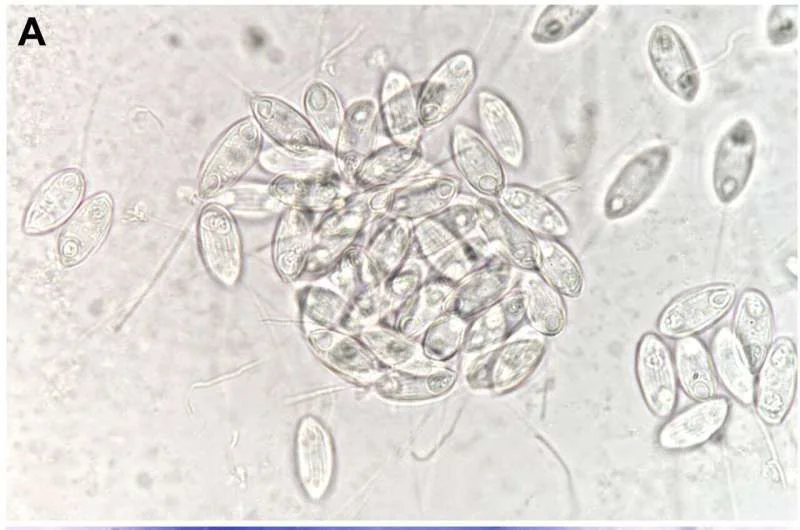
The methodology employed in these discoveries underscores the limitations of past research. One study leveraged comparisons with massive databases of fish microbiomes, the communities of microorganisms residing within fish, to identify the previously uncharacterized parasite. This approach suggests that routine biological assessments may have missed such organisms. The researchers involved highlight the potential for similar infection mechanisms or biological traits in these newly found parasites that could deepen our understanding of other apicomplexans.
Broader Implications and Future Queries
The implications of these findings are far-reaching. The widespread presence of this newly identified parasite could represent one of the most prevalent parasites among marine fish, potentially impacting commercial viability and the health of marine ecosystems. The notion of parasite conservation, an emerging field, also gains traction as scientists grapple with the effects of environmental change on parasitic life. Understanding these organisms, their diversity, and their roles is increasingly critical, especially given the historical underestimation of their impact. The discovery challenges existing assumptions about parasite prevalence and highlights the need for continuous, evolving methods in biological surveys.
Read More: Arctic Permafrost Thaw: Only Half of Soil Microbes Wake Up
Background Insights
Parasite Taxonomy and Discovery: Scientific exploration into fish parasites is an ongoing, complex endeavor. While new species continue to be identified, particularly with advancements in molecular techniques, there remain significant gaps in our knowledge of global parasite diversity and taxonomy. Reviews of the field in recent years have called for critical assessments and forward-looking strategies to address these taxonomic challenges, especially in the context of rapid environmental change.
Microbiome Research: The study of fish microbiomes, the intricate communities of bacteria, archaea, viruses, and fungi that inhabit fish, has become a crucial area of research. These microbial communities play vital roles in fish health, digestion, and immunity. It is within this complex biological landscape that previously unknown parasitic organisms can now be more readily detected.
Ecological Roles: Parasites, often overlooked or solely viewed through a lens of disease, play complex roles in ecosystems. They can influence host behavior, population dynamics, and nutrient cycling. The discovery of widespread, previously unknown parasites prompts questions about their long-term impact on marine food webs and biodiversity.