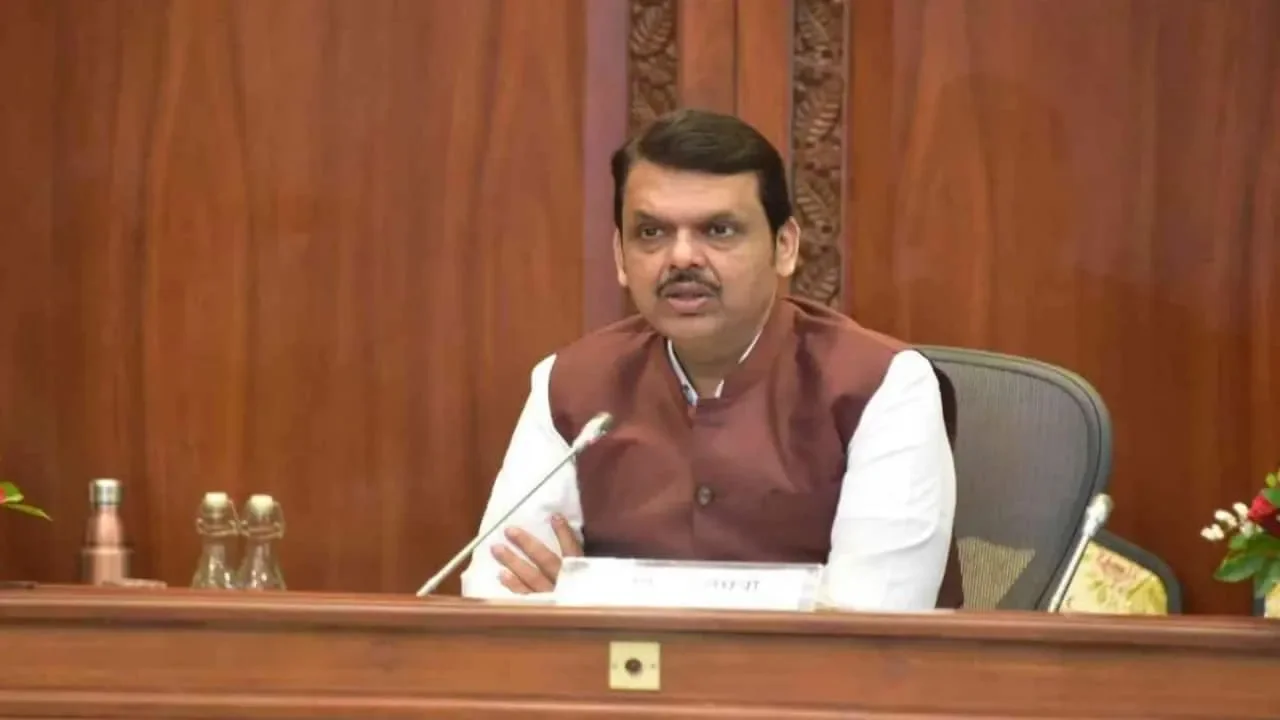
The Maharashtra government is moving forward with plans to establish a committee tasked with drafting legislation for a Uniform Civil Code (UCC). Officials indicate this panel will be formed within the next two weeks, with a retired High Court judge set to head the process.
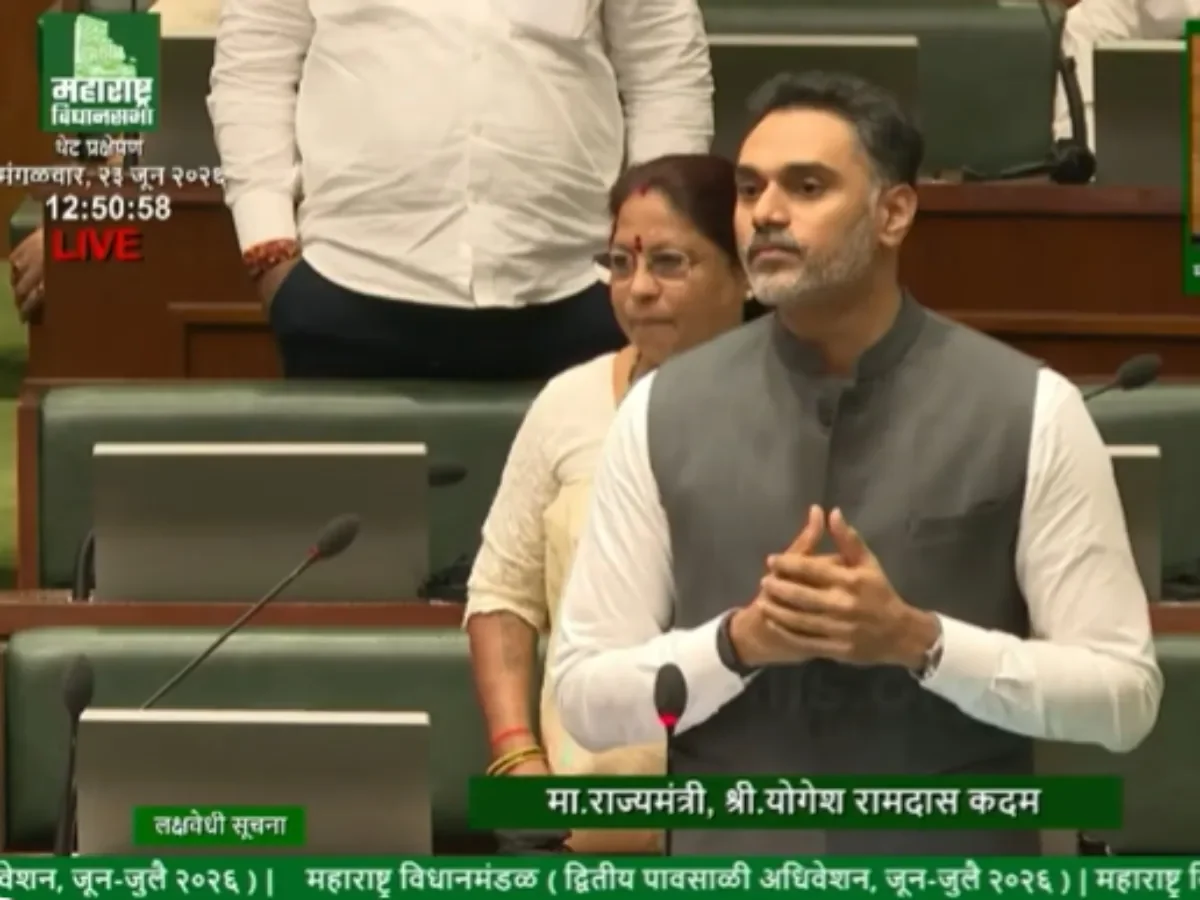
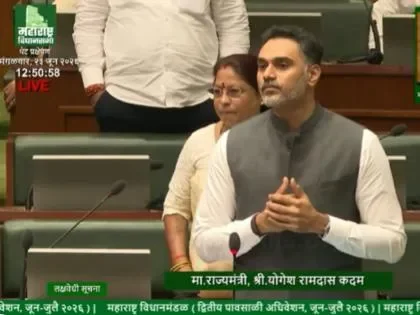
This development follows recent pronouncements from state officials, including Minister of State for Home Yogesh Kadam, who affirmed the government's commitment to implementing the UCC. The committee's specific composition and terms of reference are still being finalized, though its mandate will be to create a common set of laws covering areas such as marriage, divorce, inheritance, and adoption.

State Signals Push for Common Legal Framework
Discussions surrounding the UCC in Maharashtra have intensified, with statements from government figures highlighting the perceived need for such a law. Minister Yogesh Kadam has publicly stated the government's "100% positive" stance on the UCC, emphasizing its alignment with constitutional directives.
Read More: Supreme Court May Order Ayodhya Temple Fund Audit Due to Theft Claims
The proposed UCC aims to create a unified legal framework for personal matters, irrespective of religious affiliations, with a stated focus on ensuring equal rights and legal protection, particularly for women. This initiative comes amid ongoing discussions about personal laws and their implications across different communities.
Contextualizing the Move
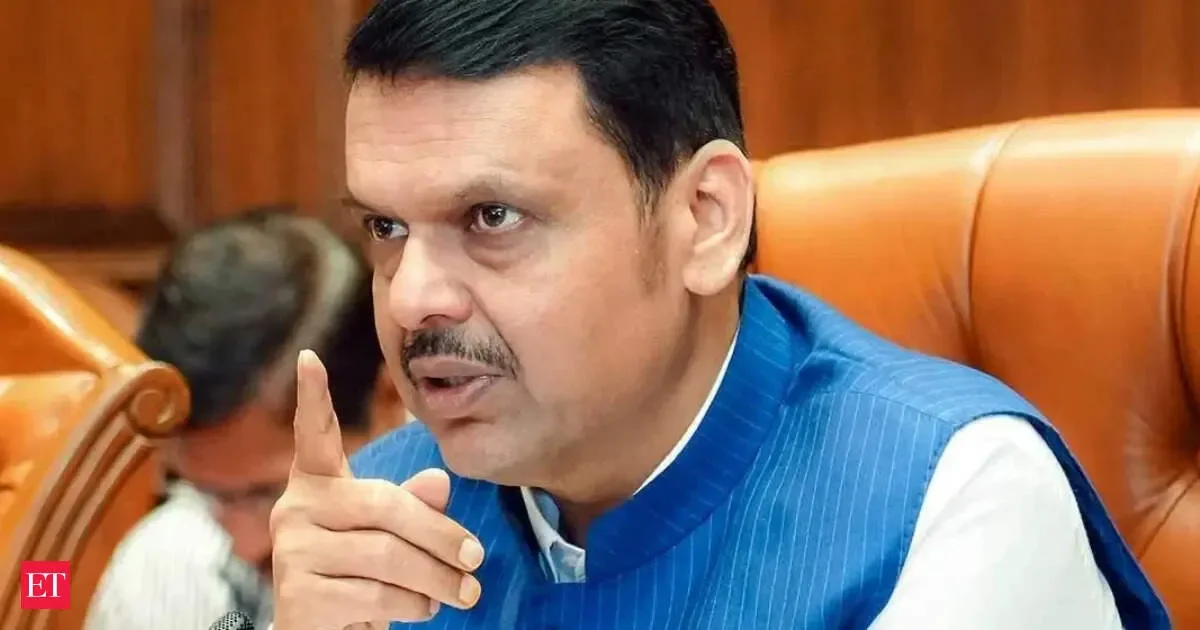
The move towards a UCC in Maharashtra is framed by proponents as a constitutional imperative, drawing on the Directive Principles of State Policy. Deputy Chief Minister Devendra Fadnavis has reiterated this connection, pointing to the Constitution's mandate for a common civil code.
The initiative also intersects with the implementation of the anti-triple talaq law, with officials noting ongoing efforts to address such issues strictly. The government has indicated that matters like polygamy will also be examined during the UCC drafting process.
This push for a UCC has drawn varied reactions, including support from political figures like Manisha Kayande of the Shiv Sena, who cited it as a long-standing ideological position. Conversely, some opposition members have raised concerns about the political undertones of such discussions, particularly when linked to specific communities.
Historical Precedents and Political Landscape
The concept of a Uniform Civil Code in India has deep roots, tracing back to constitutional discussions, with proponents often citing former Prime Minister Jawaharlal Nehru's role in incorporating related directives into the Constitution. The current government's commitment to the UCC is seen by some as fulfilling this constitutional vision.
Read More: Maharashtra TET exam leak arrests increase to seven as of April 2026
The legislative process involves the formation of a committee led by a retired High Court judge to prepare a draft bill. This draft will then undergo further government review before potential enactment.
Official statements have sought to allay fears of the UCC being discriminatory, stressing that its objective is to promote equality and legal protection for all citizens.
Keywords: Uniform Civil Code, Maharashtra, Legislation, Committee, Personal Laws, Yogesh Kadam, Devendra Fadnavis, Constitutional Directive