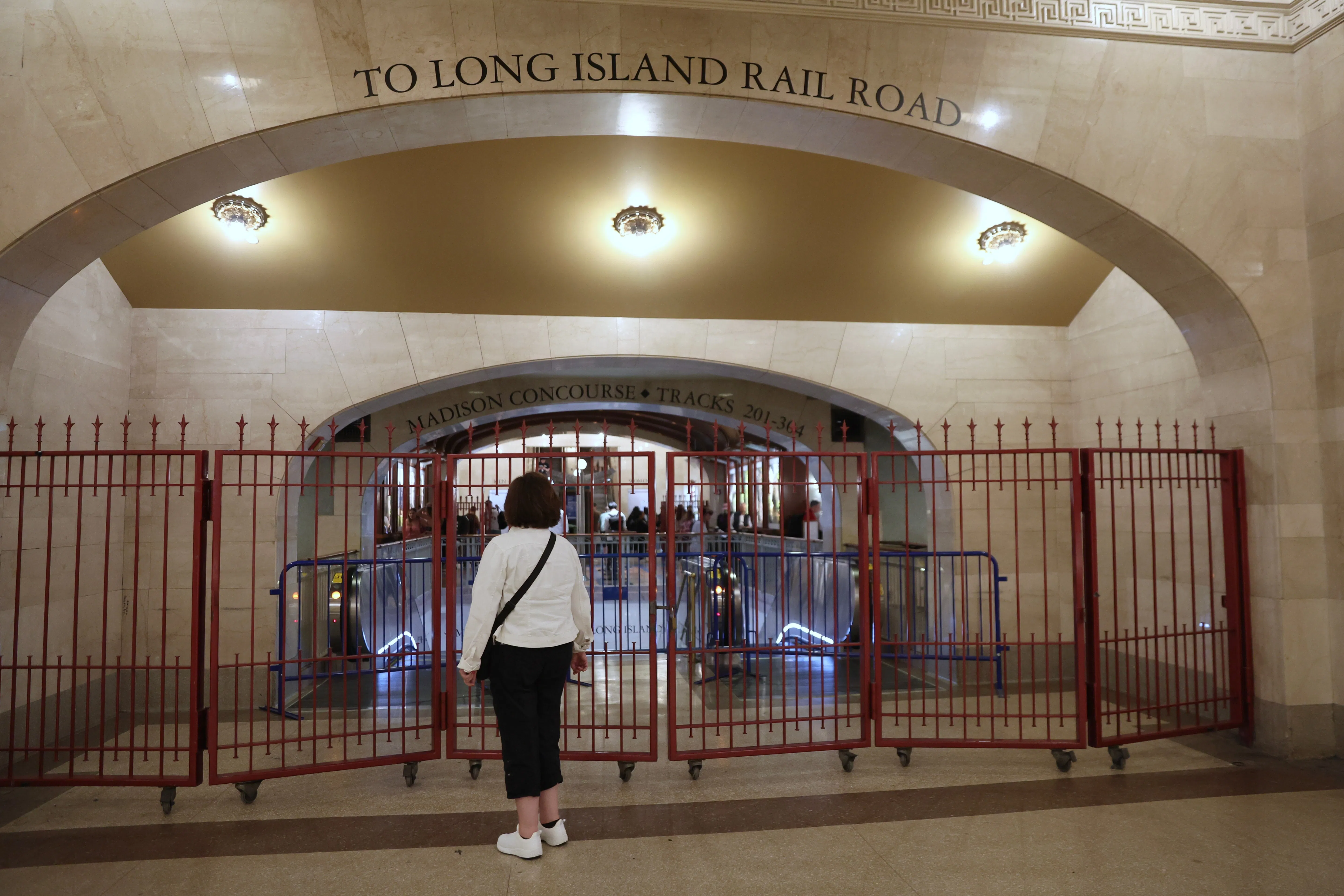
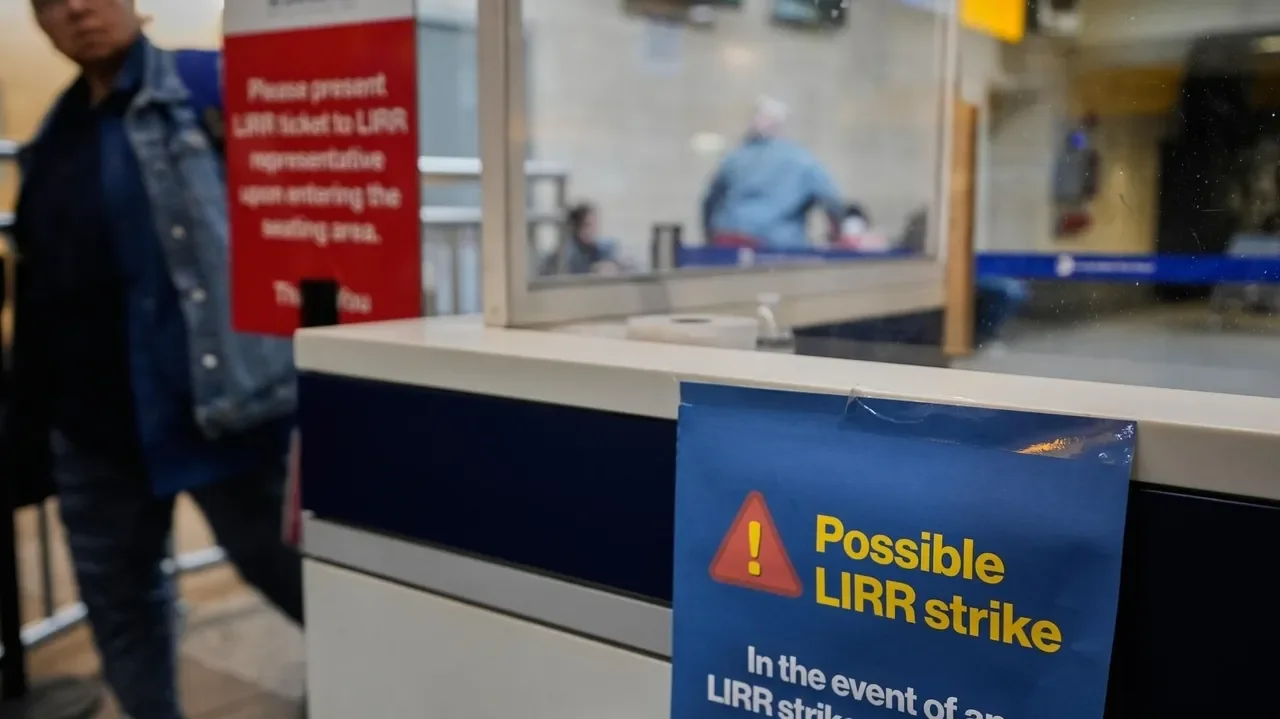
NEW YORK – The dust is beginning to settle on a three-day shutdown of the Long Island Rail Road (LIRR), North America’s busiest commuter rail system, bringing an end to a labor dispute that threw rush-hour commutes into disarray. Service is slated to resume on Tuesday at noon, following a strike that halted operations for the first time in over three decades.
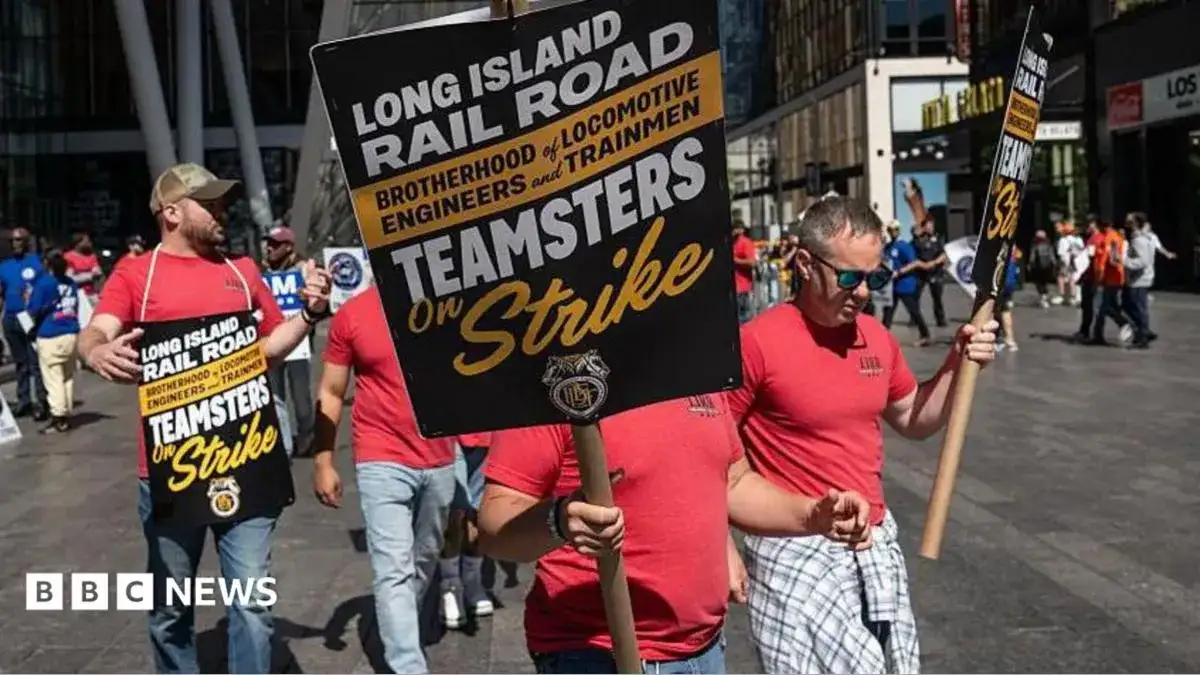
The strike, which began early Saturday, forced thousands of commuters to seek alternative, often chaotic, travel arrangements, underscoring the critical reliance on the LIRR for daily transit in the region. Federal intervention played a key role in brokering a resolution, with a federal labor agency stepping in on Sunday to facilitate renewed negotiations between the union and the Metropolitan Transportation Authority (MTA).

Talks Resume Amidst Commuter Woes
Negotiations between the LIRR union and the MTA were spurred back into action over the weekend. Governor Kathy Hochul reportedly urged both parties to return to the bargaining table, a move that coincided with the federal agency’s involvement. The LIRR union, representing workers who had not staged a strike in over 30 years, sought what they described as fair wages. Union representatives cited ongoing contract discussions and the need for equitable compensation as central to their demands.
Read More: New Bengaluru Green Line Metro Trains Arriving by August 2026
Financial Strains and Political Finger-Pointing
The MTA, however, had previously indicated that the unions' initial salary demands could trigger fare hikes and complicate broader contract negotiations with other unionized workers. Amidst the disruption, political recriminations surfaced. Governor Hochul, a Democrat, pointed fingers at the prior Trump administration, suggesting their mediation efforts were prematurely cut short, thus pushing the dispute toward a strike. This contention highlights the complex political landscape often surrounding labor disputes in major public transit systems.
Background to the Halt
The strike paralyzed the commuter rail system connecting Long Island to Manhattan, creating widespread travel difficulties. This labor action mirrors recent transit disruptions elsewhere, such as the strike affecting New Jersey Transit workers last year, which also significantly impacted commuter patterns. The LIRR's operational status remained in question throughout Sunday, with concerns mounting as the Monday morning rush hour approached. Union officials confirmed the strike's commencement, while the MTA initially expressed its position on the union's leadership and demands. Workers on picket lines, such as Duane O’Connor at Penn Station, acknowledged the hardship for commuters but maintained that their fight for fair pay was justified.
Read More: Taylor Swift and Travis Kelce married at Madison Square Garden July 6
/newsfirstprime/media/media_files/2026/02/18/green-line-metro-2026-02-18-14-46-47.jpg)
:max_bytes(150000):strip_icc():focal(799x0:801x2)/nyc-sky-taylor-swift-travis-kelce-wedding-070326-2dc0d912004b400eac2c8c8b5adeff2a.jpg)

:max_bytes(150000):strip_icc()/GettyImages-186597754-5299e3e5f6b34731bde30b83ba436316.jpg)