SCHLOSSBERG CAMPAIGN MARRED BY BEHAVIORAL QUESTIONS
Jack Schlossberg, grandson of John F. Kennedy, is facing significant scrutiny for his campaign to win a House seat in New York. Recent reporting, notably from the New York Times, highlights his "erratic behavior and staff turnover." The campaign has been characterized by a rocky start, including a documented instance on day one where Schlossberg, despite a schedule packed with media appearances and donor calls, announced he "needed a nap." This pattern has prompted questions about his readiness for elected office.

Despite appeals for leniency, citing the recent death of his sister, Tatiana, from cancer, such excuses appear to have lost traction with the public and, critically, with segments of the press that once held the Kennedy name in high regard. The New York Times headline, "Inside Jack Schlossberg’s Chaotic Campaign to Revive Camelot," signals a departure from earlier, more deferential coverage.
Read More: RSS leader calls for India-Pakistan talks on 17 May 2026
THE FADING ECHO OF A 'BRIEF, SHINING MOMENT'
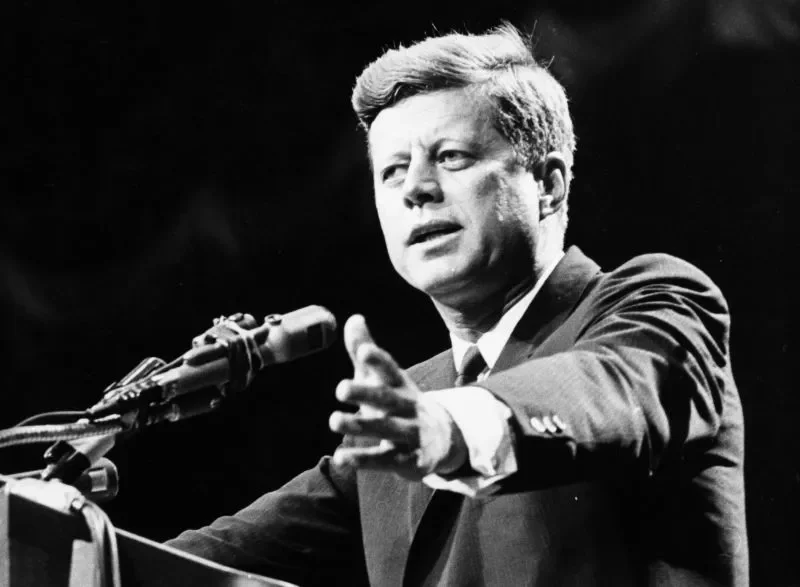
The narrative surrounding the Kennedy family and the idealized vision of "Camelot" seems to be undergoing a profound recalibration. Once a potent symbol of American aspiration and post-war optimism, the "Camelot" association, famously cultivated by Jacqueline Kennedy following JFK's assassination, now appears to be losing its resonance, particularly as the family grapples with contemporary political and personal challenges.

The notion of "Camelot" itself, originating from JFK's fondness for the Broadway musical and its depiction of a brief, shining moment, has always been a carefully constructed narrative. Sources indicate that even during JFK's presidency, there was an effort to manage and, at times, temper the "Camelot imagery." Today, this symbolic construction faces new pressures, with critics suggesting that figures like Robert F. Kennedy Jr. staking claims to its legacy, while simultaneously endorsing figures like Donald Trump, further dilutes its original meaning. The current struggles of Jack Schlossberg are seen by some as symptomatic of this broader erosion.
Read More: Paris Hilton Changes Hair Color for Gucci Show in New York

HISTORICAL CONTEXT: THE BIRTH OF CAMELOT
The "Camelot" metaphor became inextricably linked with the Kennedy presidency after his assassination. Jacqueline Kennedy, in an interview with Life magazine shortly after her husband's death, drew parallels between his administration and the idealistic world of the musical "Camelot," emphasizing its portrayal as a "brief, shining moment." This narrative resonated deeply, shaping public perception of the era and the Kennedy family's place in American history. The ambition and idealism of the "New Frontier," however, were complex, and some of Kennedy's policies and views have been subject to re-evaluation over time. While the early 1960s envisioned an America at the vanguard of progress, the legacy of this period continues to influence American social and political attitudes.
Read More: Labor wins Stafford by-election on 18 May 2026 with 4% swing to LNP