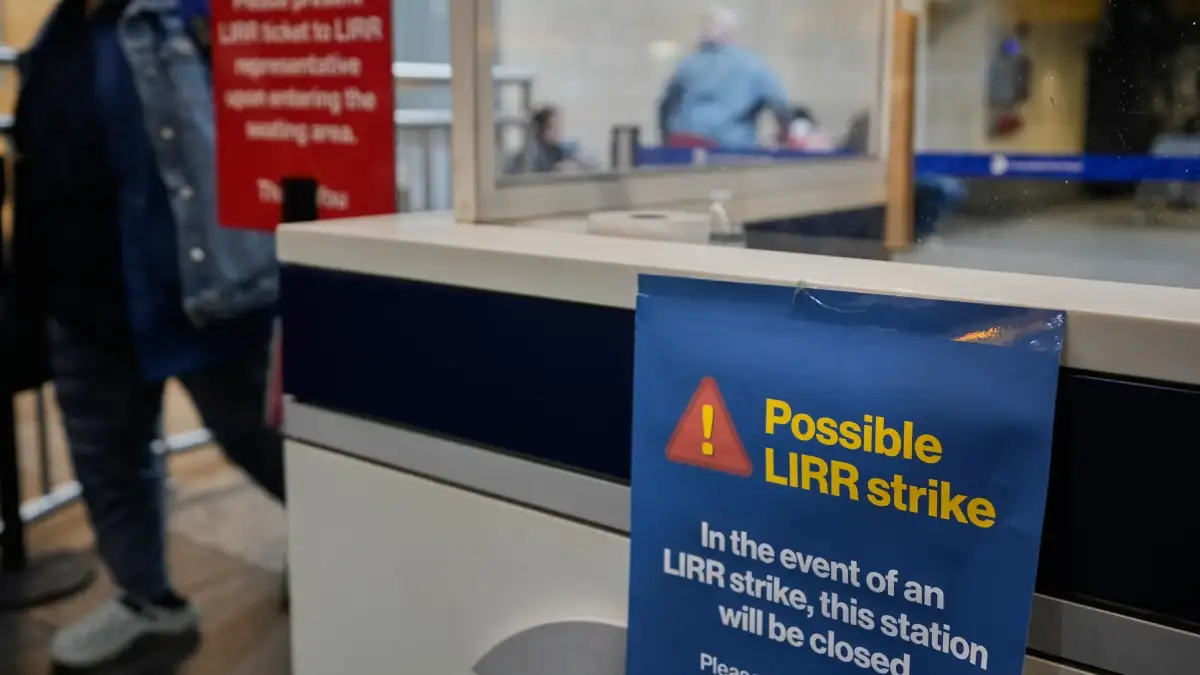
North America's largest commuter rail system, the Long Island Rail Road (LIRR), remains paralyzed for a second consecutive day as unionized workers continue their strike. The work stoppage, which began at 12:01 a.m. on Saturday, has disrupted service for an estimated 250,000 daily commuters, marking the first such strike in over three decades. As Monday's rush hour looms, a resolution appears distant, with no new negotiations currently scheduled.
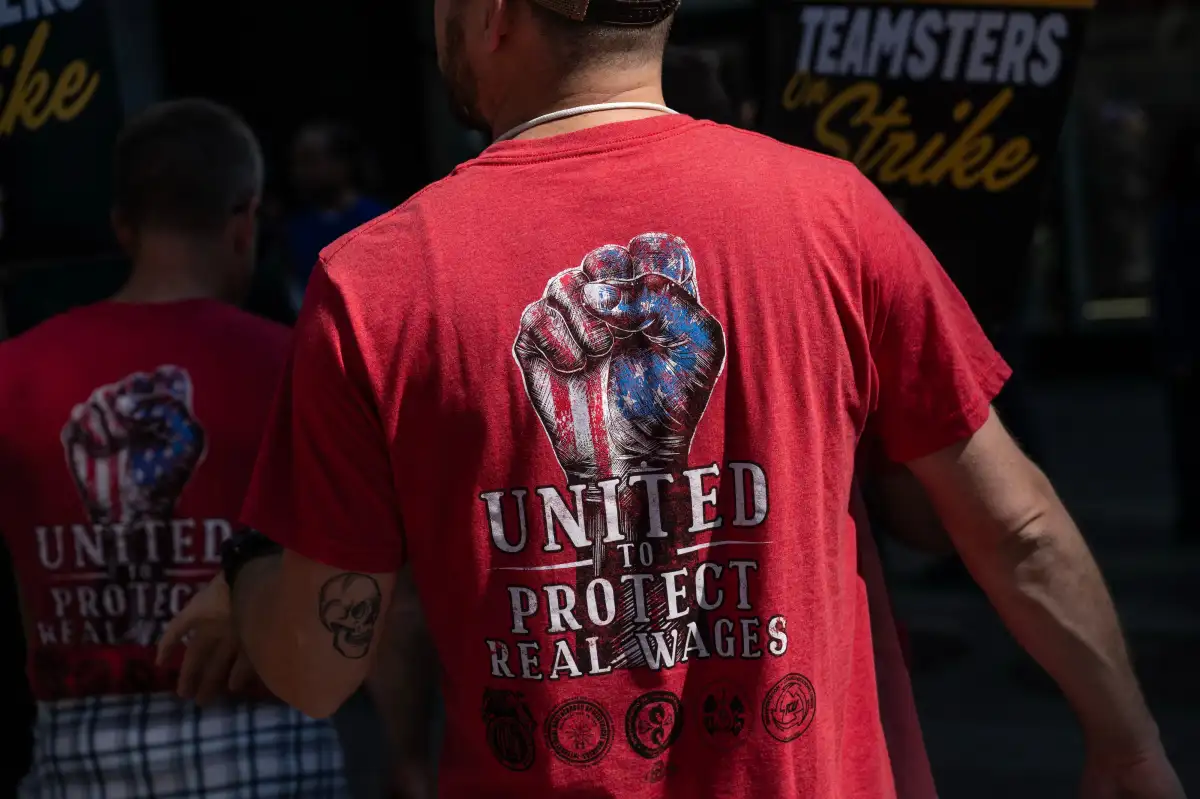
The core of the dispute centers on demands for fair wages from the unions, representing approximately half of the LIRR's 7,000-strong workforce. Union members, including locomotive engineers, machinists, and signalmen, cite this as their primary grievance. Duane O’Connor, a striking worker picketing at Penn Station, acknowledged the inconvenience to commuters but asserted that fair compensation is a just request.
The Metropolitan Transportation Authority (MTA) has voiced concerns that the unions' initial salary demands would necessitate fare increases and could complicate ongoing contract talks with other organized labor groups. The MTA has stated its position that the demands are financially untenable without significant public cost.
Read More: New Bengaluru Green Line Metro Trains Arriving by August 2026
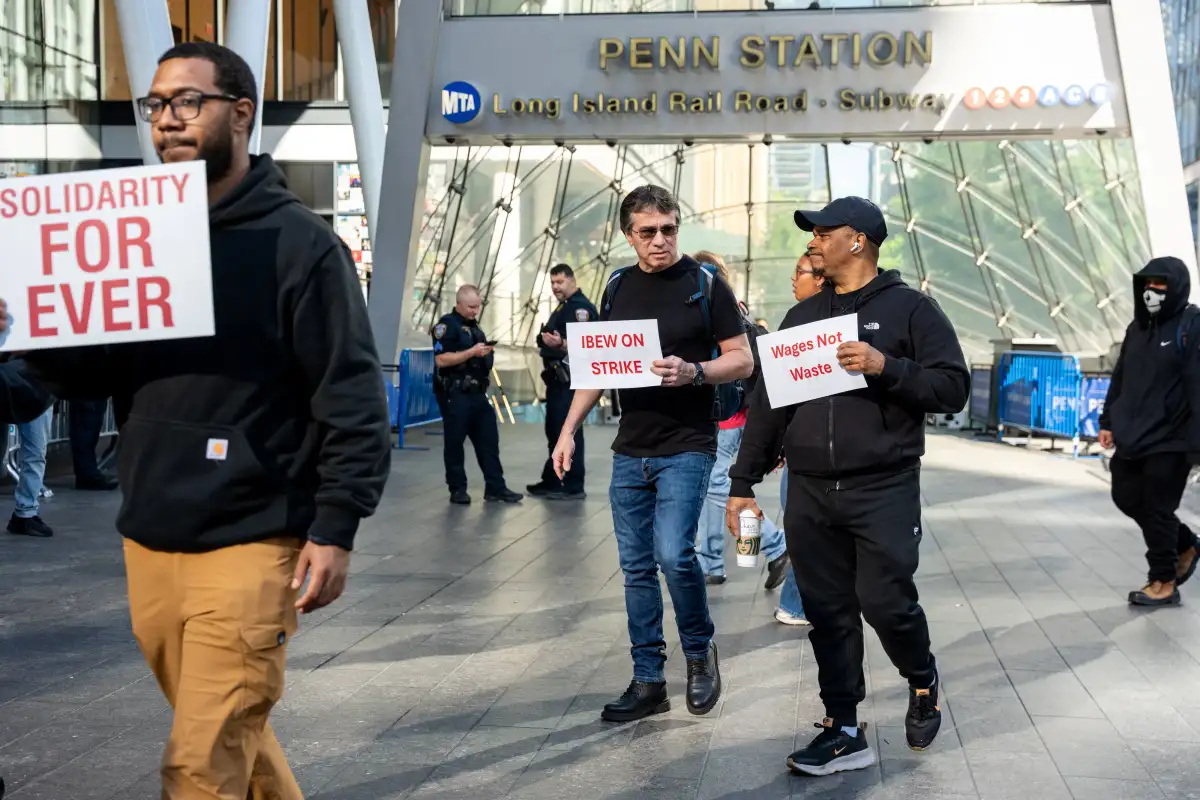
This prolonged shutdown places added pressure on Governor Kathy Hochul, a Democrat, as she faces re-election later this year. Political analysts suggest the administration may feel compelled to broker a deal to end the disruption.
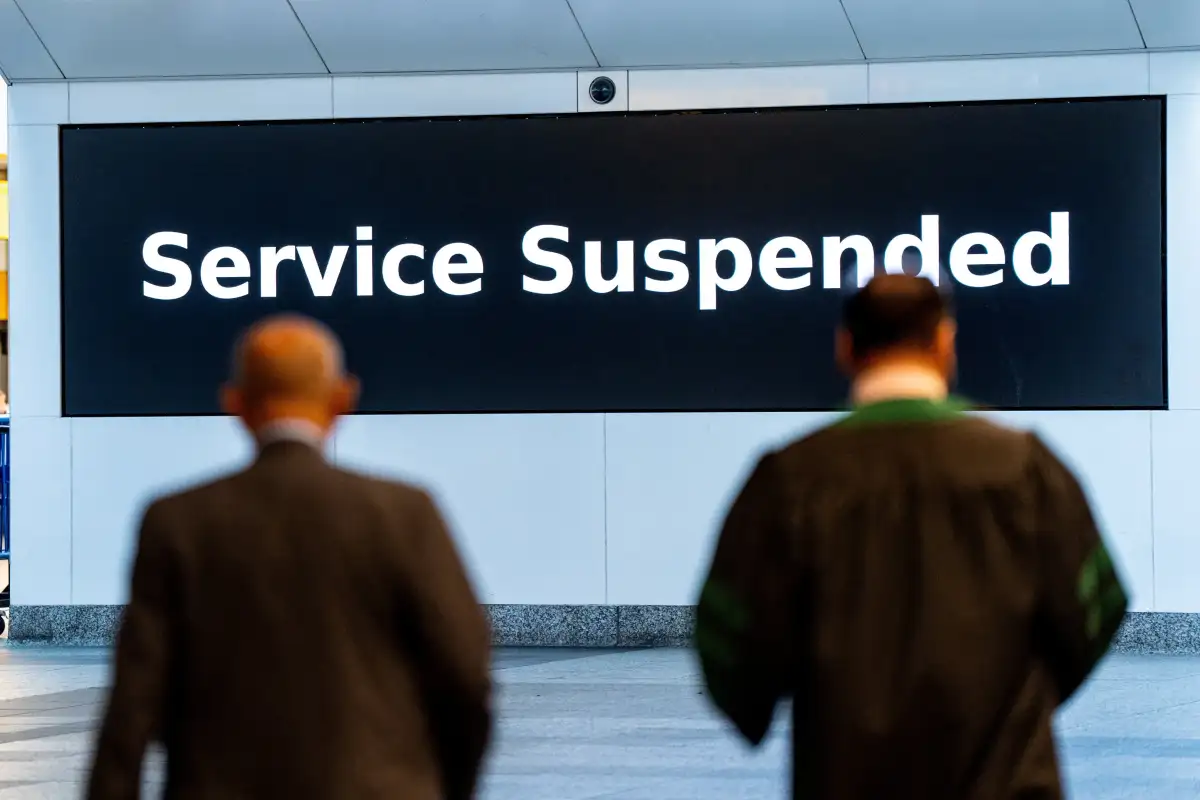
In response to the LIRR's closure, the MTA has implemented a contingency plan involving limited shuttle bus services to New York City subway stations. However, this measure is not expected to accommodate the full volume of daily ridership the rail system typically handles.
Commuter rail workers in neighboring New Jersey experienced a similar, though shorter, three-day strike last year, a point of reference for the current labor relations landscape.
/newsfirstprime/media/media_files/2026/02/18/green-line-metro-2026-02-18-14-46-47.jpg)
:max_bytes(150000):strip_icc():focal(799x0:801x2)/nyc-sky-taylor-swift-travis-kelce-wedding-070326-2dc0d912004b400eac2c8c8b5adeff2a.jpg)

:max_bytes(150000):strip_icc()/GettyImages-186597754-5299e3e5f6b34731bde30b83ba436316.jpg)