Makerfield, a constituency nestled between Manchester and Liverpool, has become a focal point in the United Kingdom's current political landscape, particularly for the Labour Party. The upcoming by-election there is framed as a crucial test, not just for the immediate leadership of Keir Starmer, but for the party's broader strategy in confronting what many see as a rising tide of populism. The outcome is widely expected to have ripple effects on potential leadership challenges, with Andy Burnham's performance being closely scrutinised.

The political maneuvering surrounding Makerfield is complex. Andy Burnham, the current Mayor of Greater Manchester, has received clearance from Labour's ruling body to seek selection for the seat, a move that signals his ambition to return to national politics. This development places him in a potential leadership contest scenario against figures like Wes Streeting, who recently resigned as Health Secretary and is reportedly ready for a leadership bid. The selection process itself involves intricate voting mechanisms, with last-place candidates eliminated and votes reallocated based on second preferences, determining who ultimately leads the party.
Read More: Taiwan Holds Nantou County Drills to Prepare for State Collapse

The broader context suggests a political environment where populist appeals are gaining traction, forcing established parties to grapple with how to respond. This isn't confined to the UK; references to political dynamics in places like Chişinău, Moldova, and broader discussions of populism in Eastern Europe indicate a wider European trend where populist narratives, appealing to visceral feelings rather than complex policy, are challenging traditional political discourse.
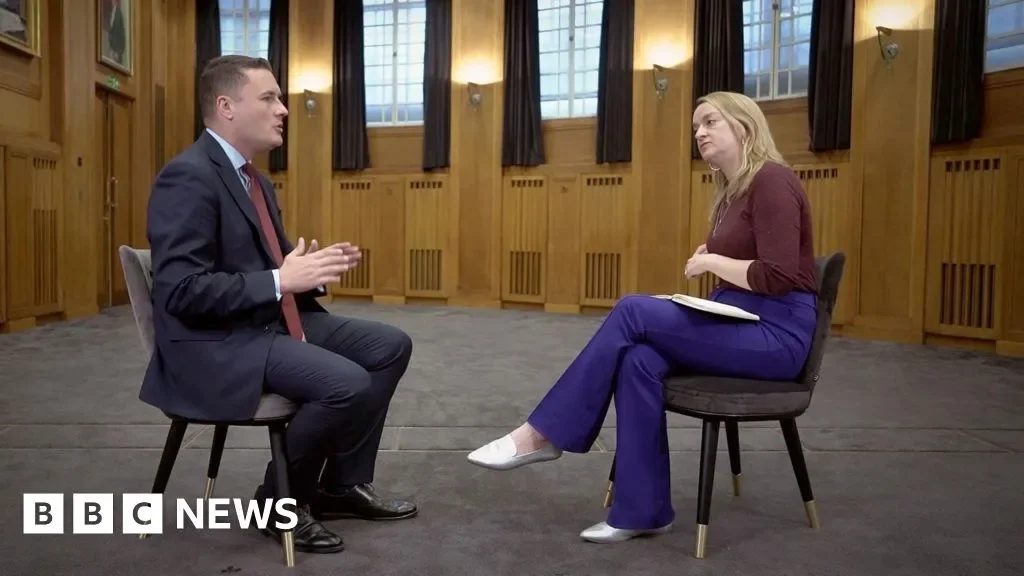
The stakes are perceived as high for the Labour Party. Ministers within the current government have voiced concerns that a failure to "deliver" on promises could push voters towards populist movements on both the far-left and far-right. This sentiment underscores a belief among some within the party that the public has become disillusioned with mainstream politics, making the message delivered by Labour crucial in the coming period. The Makerfield by-election, therefore, represents more than just a contest for a parliamentary seat; it's seen as a barometer for the party's ability to connect with an electorate increasingly swayed by populist rhetoric.
Read More: Tess Daly wears wedding ring in London after split from Vernon Kay
Burnham's bid for Makerfield is being likened to a high-stakes gamble, with success there seen as a springboard for further ambitions. The narrative around him suggests he is Labour's most popular figure, and his ability to withstand the challenge from Reform UK in Makerfield could significantly shape the ongoing debate about the party's leadership and direction.