Service Concerns Trump Affordability Promises for Many Commuters
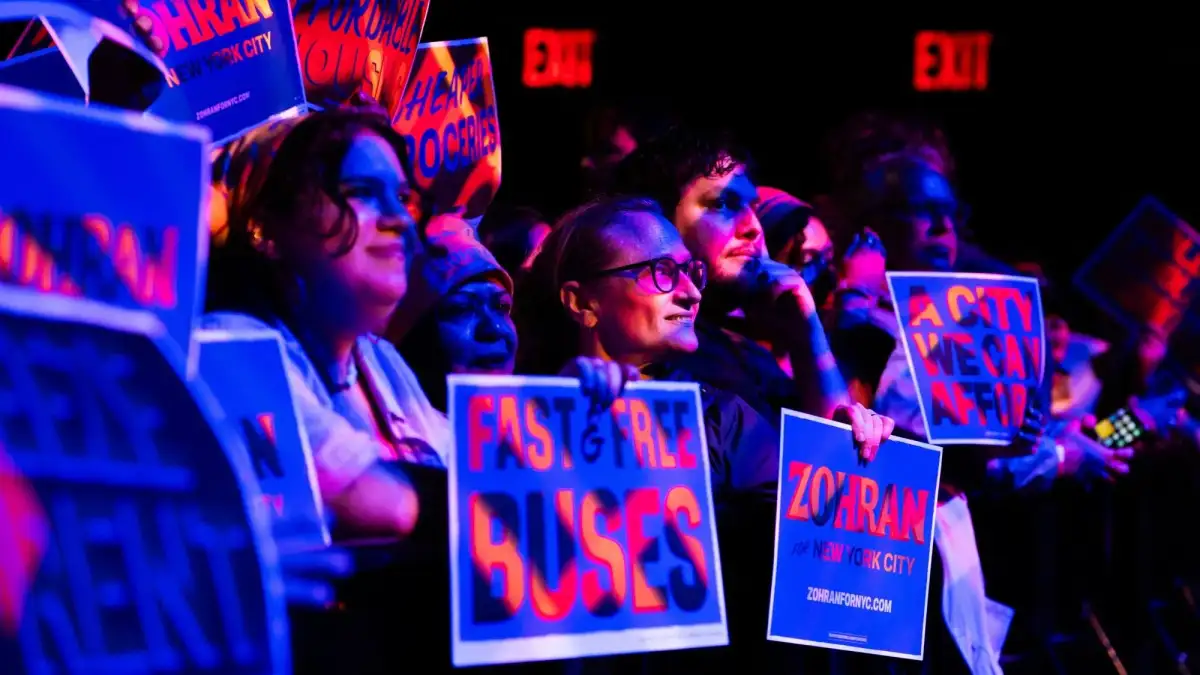
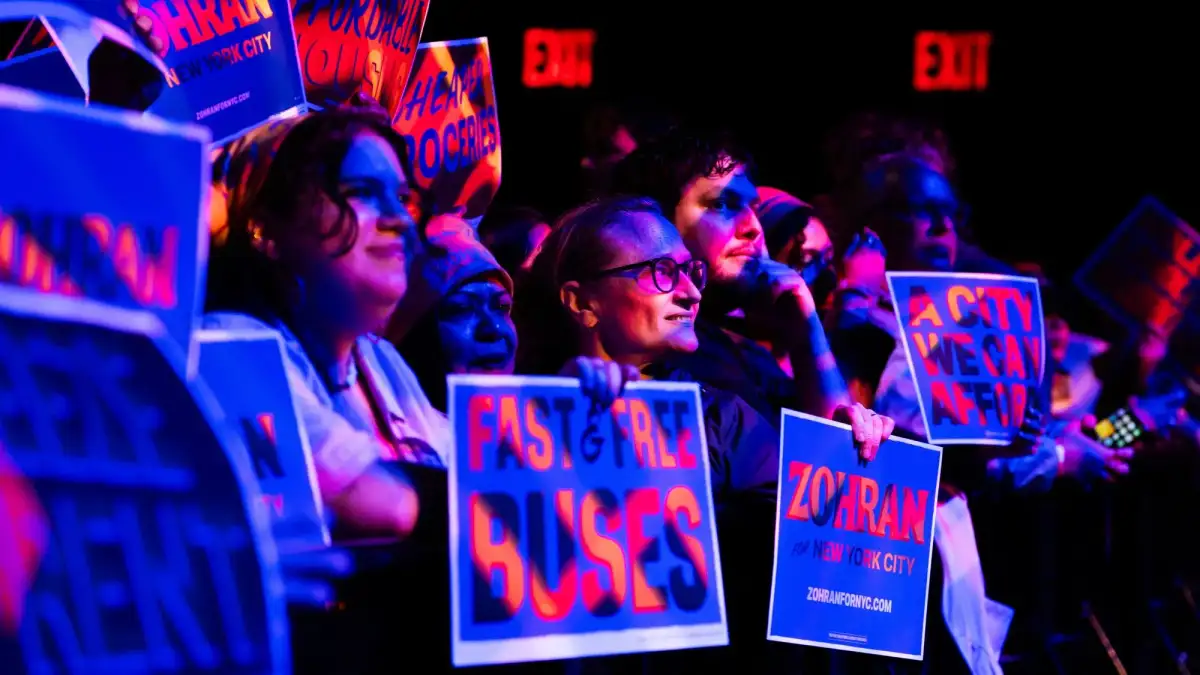
New Yorkers riding city buses express a prevailing sentiment: while the idea of 'free' buses, a signature proposal by Mayor Zohran Mamdani, is on the table, the immediate desire is for better, more reliable service. Concerns about cancelled buses, overcrowding, and punctuality outweigh the allure of a zero fare for a significant portion of riders.
The core demand emerging from daily commuters is not just about affordability, but about the fundamental functionality of the bus system. Riders want buses that run on time, with adequate capacity, and without the disruption of cancellations.
Riders Prioritize Punctuality and Capacity
Many riders, particularly those relying on express routes for longer commutes, voiced a clear preference for improved service over fare elimination. Melissa Torres, who travels from Staten Island to Lower Manhattan, cited cancelled buses leading to rides where she must stand. Similarly, Vittorio Bugatti, a rider from The Bronx, stated a clear preference for "improved service than a free ride." Ariel Boone, a social worker commuting from Bay Ridge, also highlighted the need for timely transit to reach her job. These accounts suggest that for many, the current service issues present a more immediate obstacle than the bus fare itself.
Read More: New Bengaluru Green Line Metro Trains Arriving by August 2026
Questions Linger on Financial Viability and Impact
Mayor Zohran Mamdani has championed the 'fast and free' bus initiative as a cornerstone of his platform, aiming to make the city more affordable. His proposal suggests the city and state would reimburse the MTA for lost fare revenue. However, the financial feasibility and long-term sustainability of such a plan remain subjects of debate.
Skeptics point to the need for consistent, long-term revenue streams to support a fare-free system.
Experiments with free bus services in cities like Kansas City and Boston have yielded mixed results.
Some analyses suggest that expanding existing affordability programs, such as 'Fair Fares', could be a more cost-effective way to assist low-income New Yorkers than a blanket fare-free policy. The Citizens Budget Commission (CBC) specifically argued that expanding 'Fair Fares' would reach more low-income individuals at a lower cost than eliminating bus fares.
Underlying Issues and Potential Solutions
Beyond the fare debate, deeper issues plague the bus system. Buses have historically been deprioritized on city streets. Supporters of fare-free buses argue it could reduce conflict and improve safety, particularly for vulnerable populations. However, critics contend that such a move could hinder the city's ability to invest in systemic improvements to transportation infrastructure.
Read More: Donna Kelce arrives in NYC for Taylor Swift wedding on April 7 2026
There is a recognized need for better management of existing service, including bus dispatching.
Implementing temporary physical barriers to create and protect bus lanes is also suggested as a way to improve speeds and efficiency.
The idea of elevating buses and their riders to a higher status, akin to successful systems in peer cities like Bogotá, is presented as a way to democratize street use and dignify the rider experience.
Background: A Campaign Promise
Zohran Mamdani, a Queens assemblyman, made free buses a prominent pledge during his mayoral campaign, framing it as a crucial step in tackling New York City's affordability crisis. He argued that people were not paying fares because they could not afford to, making the initiative a key component of his vision for a more accessible city. His win in the Democratic primary was seen as a significant upset, partly fueled by these populist policy proposals. The "free and fast" bus promise has been a central theme of his administration's early transit agenda.
/newsfirstprime/media/media_files/2026/02/18/green-line-metro-2026-02-18-14-46-47.jpg)

:max_bytes(150000):strip_icc():focal(799x0:801x2)/nyc-sky-taylor-swift-travis-kelce-wedding-070326-2dc0d912004b400eac2c8c8b5adeff2a.jpg)