Kyiv, Ukraine – In a significant escalation, Russia unleashed a barrage of missiles and drones on Ukraine overnight, with Ukrainian officials confirming the use of an Orechnik ballistic missile, a weapon capable of carrying nuclear warheads. The attack, which targeted the capital region and other areas, marks a serious departure from previous escalations, raising concerns about a new phase of the protracted conflict.

The deployment of the Orechnik missile, a nuclear-capable intermediate-range weapon, signifies a potentially grave shift in Russia's military posture towards Ukraine. This development comes amidst acknowledgements from Moscow of retaliatory strikes following alleged Ukrainian "terrorist attacks" on Russian civilian infrastructure.

A Multi-Pronged Assault
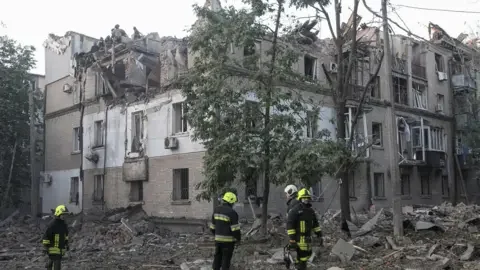
The overnight assault saw widespread damage across the Ukrainian capital, with all districts of Kyiv reporting damage. Beyond the capital, explosions and casualties were reported in the Dnipropetrovsk and Tcherkassy regions. The Russian Ministry of Defense claimed the massive strike was in response to what it termed "terrorist attacks" by Ukraine. Their arsenal, according to their statement, included not only the Orechnik ballistic missiles but also Iskander and Kinjal aero-ballistic missiles, Tsirkon cruise missiles, and drones.
Read More: Iran Zagros Mountain Nuclear Site Construction Update April 2026

Ukraine's Mounting Worries
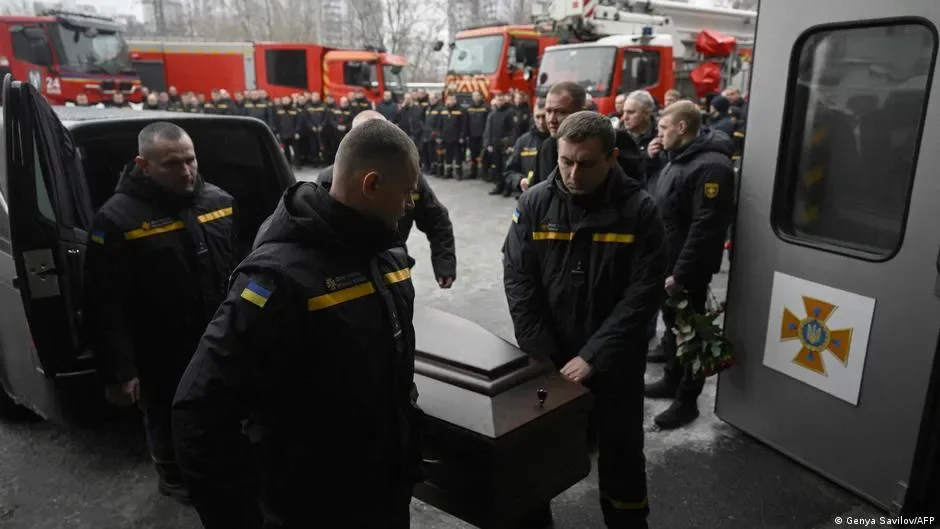
Ukrainian President Volodymyr Zelensky had previously warned of impending Russian strikes, specifically mentioning the potential use of the Orechnik missile. The Ukrainian Air Force confirmed the use of an Orechnik, an intermediate-range ballistic missile considered particularly challenging to intercept. Preliminary reports indicate at least four fatalities and dozens of injuries resulting from the widespread attacks. The American embassy in Kyiv had also previously expressed concerns about the possibility of a large-scale Russian offensive.

Shifting Battlefield Dynamics
This recent barrage occurs as Ukraine has reportedly gained an advantage on the battlefield for the first time in four years, inflicting substantial monthly losses on Russia. Ukrainian drones have been instrumental in this shift, reaching targets deep within Russian territory, including munitions depots, refineries, and air defense systems up to 2,000 kilometers from the Ukrainian border. The effectiveness of these drones, coupled with disruptions to Russian internal communications and the dismantling of Starlink terminals in occupied territories, has reportedly weakened Russian troop coordination. The head of the Russian air force was reportedly dismissed due to an inability to counter Ukrainian drone attacks.
Read More: 22 Civilians Killed in Russian Missile Attack on April 7 2026
International Reaction and Broader Context
The European Union's Commission President, Ursula von der Leyen, condemned the use of the Orechnik missile, labeling it a "terrorist act." Meanwhile, French President Emmanuel Macron urged Belarus not to be drawn into Russia's "war of aggression." Russia, positioned as an ally of Moscow, shares borders with Poland, Lithuania, and Latvia, all members of NATO and the European Union, as well as Ukraine itself, highlighting the volatile geopolitical proximity of the conflict.
The conflict, which has seen devastating human costs for Russia, with reports of monthly losses reaching 35,000 men, continues to strain the Kremlin's capacity for recruitment.