Zaporizhzhia Nuclear Power Plant faces a fragile calm, with the International Atomic Energy Agency (IAEA) confirming a ceasefire is ostensibly in place along the frontlines adjacent to the facility. This development, as reported by the IAEA, offers a temporary reprieve from the immediate proximity of combat operations to a critical nuclear infrastructure.
The IAEA's presence on the ground, acting as an observer and a potential buffer, highlights the ongoing precariousness of the situation. The agency has consistently voiced concerns regarding the safety and security implications of military activities near the plant, emphasizing the potential for catastrophic accidents. The reported ceasefire, while welcomed, remains unverified by independent sources and subject to the volatile realities of the conflict.
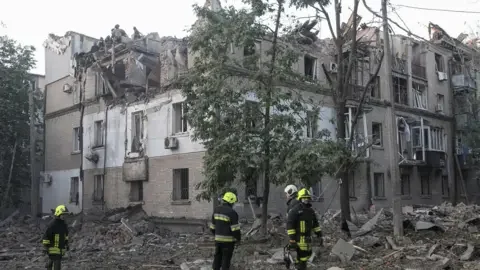
The frontline, a theater of ongoing hostilities, had recently seen increased shelling and drone activity in the vicinity of the Zaporizhzhia plant. These incidents have amplified fears of a potential nuclear incident, prompting international calls for de-escalation and the establishment of a safety zone. The IAEA has been a vocal proponent of such measures, though their implementation has proven complex amidst the broader geopolitical tensions.
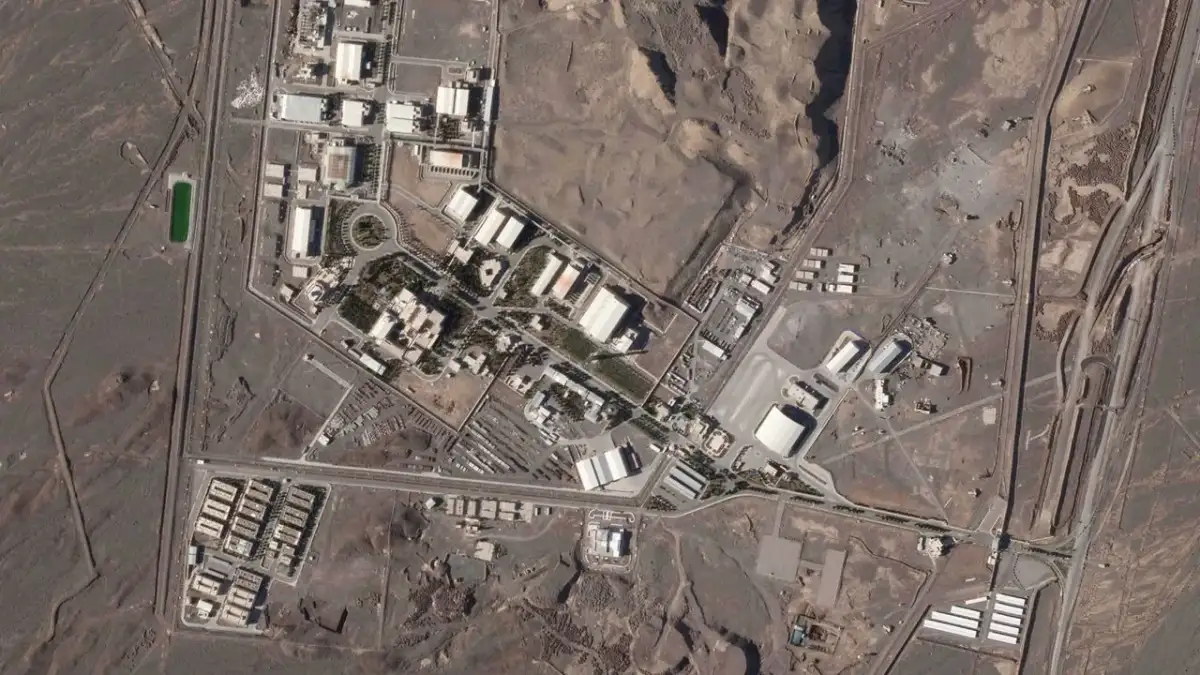
Read More: Iran Zagros Mountain Nuclear Site Construction Update April 2026
Context of the Conflict
The Zaporizhzhia Nuclear Power Plant, Europe's largest, has been a focal point of concern since Russian forces occupied it in the early stages of the invasion. Its continued operation under occupation, coupled with regular exchanges of fire in its vicinity, has led to numerous warnings from nuclear safety experts and international bodies about the grave risks involved. The IAEA has maintained a permanent monitoring mission at the site to assess and report on conditions, providing vital, albeit often grim, updates on the plant's operational status and surrounding environment.